


Sow melons outdoors once the upper soil layer is consistently around 18 °C or warmer, nights have become mild and the local forecast is free of frost. Take the temperature in the bed itself. A sunny afternoon can warm the surface while the soil around the seeds remains cool. Where the warm season is short, choose an early cultivar and allow enough time after emergence for the fruit to ripen.
How to tell whether the bed is ready
Use a soil thermometer in roughly the top 5 cm of soil where you intend to sow. Take readings on several days, at similar times before the midday sun heats the surface. Check at least two spots. The soil near a sunny wall may be warmer than the outer edge in shade. If only one spot is ready, the rest of the bed may need more time. Record the readings by the row instead of using a single average.
A reading of about 18 °C is a useful starting point for direct sowing in a home garden. Melon seeds can begin to germinate at lower temperatures, but emergence is less reliable in cool wet ground. Do not use the forecast air temperature in place of a soil measurement. If nights are still cold and the soil holds water long after rain, wait for steadier warmth. When preparing a new bed, assess the soil and drainage before choosing fertilizer, so you can make the two decisions separately.
Planning for a short warm season in Ukraine
In an open, sunny bed that warms quickly, direct sowing avoids the risk of disturbing roots during transplanting. In a shaded garden, a wet low spot or a place where autumn cold arrives early, the same cultivar has fewer warm days to develop. Look at how long the sun reaches your chosen bed, how quickly water drains after rain and whether there is room for hoops. A raised bed and a hollow in the same garden can be ready on different days.
What the days to maturity on a seed pack mean
When comparing two cultivars, find out where the count starts. If it begins at transplanting, it leaves out the time from sowing to a transplant ready for the garden. If it starts at emergence, allow time for the seeds to come up as well. Leave room for a spell of cool weather to slow development. In a garden with a short season, you can give the warmest strip to an early cultivar instead of using the whole bed for a late one.
The melon Cucumis melo and the watermelon are different crops. Both like warmth, but the time to ripen, space for vines and signs that fruit is ready vary by crop and cultivar. If you grow both, check when to sow or transplant watermelons separately. Put a label at each end of the bed if the vines are likely to meet or if you are sowing the two crops a few days apart.
When transplants make more sense
If the bed stays cool and your cultivar needs more time than the season allows, raise several plants in individual pots. Harden them off and move them into the garden only once the ground is warm. Melon roots are sensitive to disturbance, so transfer each plant with its root ball intact and avoid leaving it too long in a small pot. If you want to compare the two methods, sow several spots and transplant into others once the bed is ready. Note the method and date so you can compare ripening, not just which plants grew first.
How to sow and care for the new seedlings
Choose a sunny spot where rainwater drains away. Prepare a crumbly surface without large clods, and leave room for the vines as well as a path for watering. Use the spacing on the seed pack. Vigorous types can use more room than compact ones. Before sowing in a small garden, decide which way the vines can run without smothering neighbouring crops or making the water tap hard to reach.
- Moisten the ground if it is dry at sowing depth. If water stands or soil sticks to the tool, wait for the bed to drain.
- Follow the depth on the seed pack. Roughly 1.5-2.5 cm is a useful range in loose garden soil. Cover with fine soil, without pressing large clods onto the seed.
- Mark the sowing spots and water gently if necessary. Keep the soil where the seeds sit from drying out while you wait for emergence.
- Once you can tell which seedlings are strongest, keep the number needed for your cultivar's spacing. Snip extras at soil level to avoid disturbing the roots you are keeping.
When seedlings are slow to come up, resist the urge to dig up every sowing spot. Check the temperature and moisture in one place first. Heavy rain can leave a hard crust over moist soil. Several windy days can dry out the seed layer, especially near the open edge of a bed. If a seed has rotted, look at drainage and the forecast before resowing. A late cultivar given even fewer warm days may still struggle to ripen.
Ventilating a cover and giving pollinators access
A lightweight cover on hoops helps keep the seedlings warm. In sun, air under the cover can heat up quickly. Check the temperature at plant level and vent when conditions outside are mild. Remove the cover when the risk of frost has passed, and give bees and other pollinators access once flowering starts. If you also grow watermelons, check pollination and ripening of outdoor watermelons separately, since their fruit does not develop and ripen in exactly the same way.
As the vines fill out, check the soil under the leaves instead of judging moisture from the outer edge of the bed. Apply water to the ground and let excess drain away. If the seedlings look weak after a cold night, check new growth, soil temperature and drainage. Granules cannot warm cold soil or shelter the young leaves from frost.
What to record for next season
Imagine that two varieties came up together, but only one ripened before cold weather. Write down the dates you sowed, the dates the shoots appeared, and the first day you picked ripe fruit for each variety. Record whether the plant was under cover and whether the bed was shaded later in the day. This helps explain why one cultivar worked and gives you a better choice for next year than the sowing date alone.
Check the signs of ripeness on the seed pack. Some melons develop a characteristic scent and separate easily from the stem, while others stay attached. Mark the spots with a durable label before the leaves hide the edges of the rows. Save notes for each cultivar separately, so a different scent or skin colour does not become a universal rule when you try a new melon.
Fertilizer for a melon bed that needs it
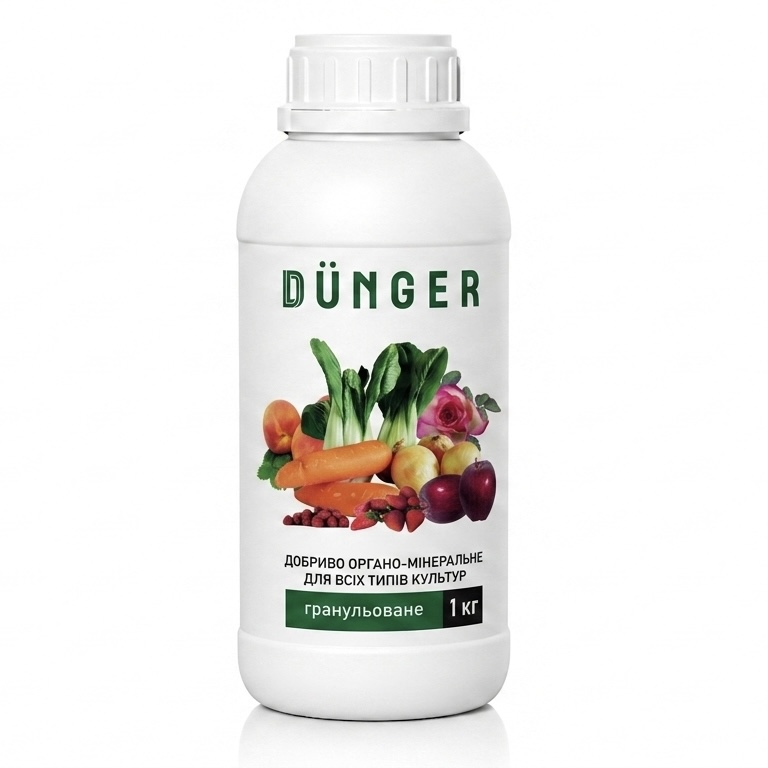
Organo-mineral fertilizer for all types of crops granular
If a soil assessment and past applications indicate a need for this blend, the directions for these organo-mineral granules include a melon crop row. Before sowing, check the directions for the main soil application.
Choose a 1 or 5 kg pack by the area you need to prepare. Use the melon crop row to calculate the amount and account for nutrients already applied to the bed.
Questions about direct sowing melons
Yes, if the ground has warmed steadily and frost is out of the immediate forecast. Take the temperature in the upper soil and check the forecast for your locality. Repeat your check if you have had just one warm day.
Compare temperature, moisture and sowing depth. The wettest or coolest patch can be slower. Check one seed before resowing the whole row, and wait for better conditions if it has rotted.
Check the bed and what went into it first. If the soil needs a suitable blend, use the melon row on the directions and calculate the amount from the area that needs it. A part of the bed already prepared with sufficient nutrients does not need a second application.


