


Plan corn feeding by checking the soil and the fertilizers already applied. Root nutrition depends on which nutrients the crop needs, where an application places them and whether the roots can use them. An extra bag cannot replace moisture, remove compaction or explain yellow leaves. Begin with the field or garden conditions, then choose a suitable product, quantity and application method. This makes the purchase part of a considered growing plan.
A field and a garden need different calculations
Grain maize and sweet corn belong to the same crop species, but they are grown for different uses. Sweet corn is harvested immature, at the milk stage. Field decisions involve the production system, previous crop and economics, whereas a garden also requires accurate measurement of small quantities. A rate for a particular field fertilizer must not automatically become a spoonful beside every garden plant. First establish what the recommendation actually covers.
For a small planting, measure the corn area separately from paths and neighbouring beds. Treat patches with different soils or watering arrangements as separate planning areas. For planting decisions, see when to sow sweet corn in a Ukrainian garden. Feeding cannot compensate for unsuitable sowing conditions, and a later purchase should reflect the plants you actually have rather than an ideal picture on the seed packet.
Ask the right questions about a soil test
Ask the laboratory which measurements and sampling procedure suit your land and intended crop. Tell it about previous crops, organic amendments, irrigation and unusual problem patches. Before comparing two reports, establish their methods, units and sampling depths. A concentration shown on a laboratory report is not itself a quantity of compound fertilizer to buy. The selected product may supply several nutrients, so one isolated result cannot describe the whole decision.
For a field crop, phosphorus and potassium decisions should follow the relevant interpretation of soil tests. The nitrogen plan also considers preceding crops and organic nutrient sources. An application made at planting still counts after seedlings emerge: include its contribution when discussing the next pass. Our explanation of how nitrogen fertilizers work helps distinguish nitrogen sources before comparing the products offered for your crop.
Separate product weight from nutrient requirement
Write down each fertilizer name, its exact grade, the rate unit, the intended area and the quantity already used. This simple list makes duplication easier to spot. Products with different names can contribute the same nutrient, while two grades from one manufacturer may have different compositions. The crop's nutrient requirement therefore cannot be treated as the weight of whichever bag happens to be available in the store or shed.
Avoid assembling a shopping list merely to include every familiar fertilizer name. Ask what each proposed product is intended to supply and what information supports that choice. When a recommendation specifies a grade, changing the product means checking its composition and instructions again. Keep the confirmed selection beside your order documents. This helps you compare equivalent quotations and avoids treating a substitute as though it were the original recommendation.
Check whether roots can use the nutrients
Yellow corn does not necessarily indicate a nitrogen shortage. Waterlogging, cold conditions and compaction can restrict root function. Purple young leaves likewise do not prove that the soil contains too little phosphorus. Examine several affected plants and nearby healthy ones before buying a corrective product. Notice whether the pattern follows a wheel track, a low patch or another visible difference in growing conditions. Describe the pattern as well as the colour.
For advice, prepare an overview photograph, a closer view of an affected plant and a careful view of its root zone. Record when the change began and what the weather was doing. If plant tissue testing is appropriate, arrange sampling with the laboratory first. Plant part and growth stage matter when interpreting results. One conveniently picked leaf cannot provide a dependable answer for an entire field, especially when several stresses are present.
Moisture and timing in Ukrainian conditions
Dry conditions can slow fertilizer dissolution and nutrient uptake. That does not automatically mean the earlier application has disappeared and should be repeated. Equally, a lack of rain alone does not establish a new nitrogen rate. Reconsidering a field plan requires an assessment of crop condition, remaining production potential and moisture. Avoid making either an extra application or a large reduction solely because the leaves look stressed on a dry afternoon.
There is no single calendar date for feeding every Ukrainian planting. A cold spring, a wet hollow and a dry unirrigated plot present different situations even when the plants are the same age. Before applying fertilizer, check the soil and whether the required method can be carried out properly. In a garden, inspect moisture beneath the surface. A brief watering that darkens only the top layer does not establish how wet the root zone is.
Connect the initial application with later feeding
Pre-plant nutrition and applications during growth belong to one plan. On a farm, arrange the product and method for each operation in advance. Equipment must suit plant height, row layout and fertilizer form. Delaying an operation changes its practical conditions, so a method suitable at one stage should not simply be copied at another. If the planned operation is no longer feasible, discuss a suitable alternative before purchasing replacement material.
Some fertilizers can injure leaves or developing tissue when deposited on foliage or in the whorl. Do not direct a soil fertilizer over the plants without appropriate instructions. Root application and leaf spraying are not interchangeable uses for every composition. The separate guide to foliar feeding of field corn addresses that decision. A foliar product should not be assumed to replace the crop's root nutrition plan or solve a soil problem.
Choosing NPKS for a farm order
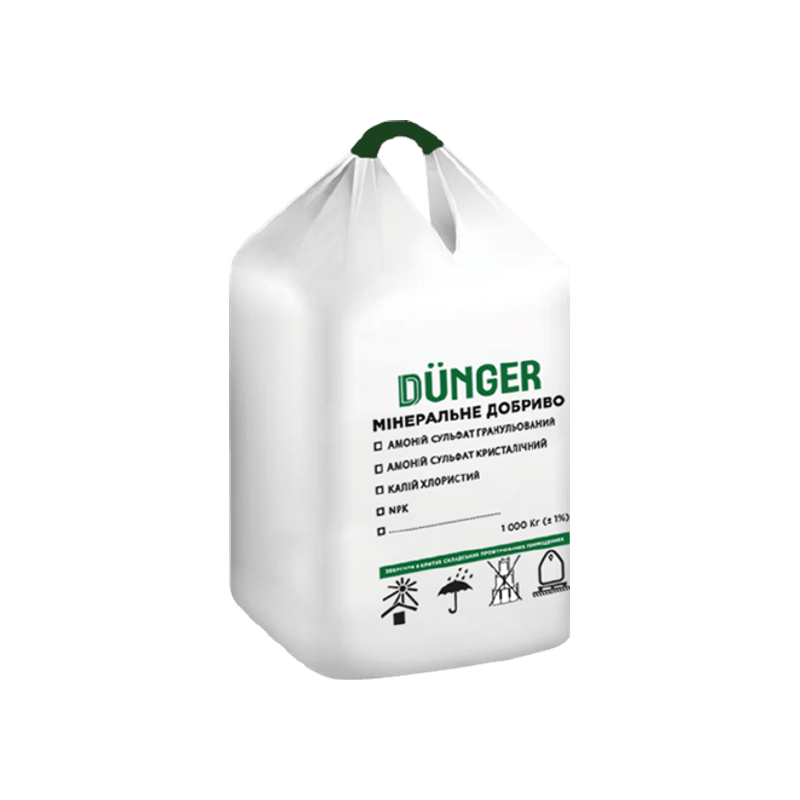
Mineral complex fertilixers NPKS
The range includes this specific application row: NPKS(CaO+MgO) Corn, beet, rapeseed. Its stated rate is 250-300 kg/ha. This belongs to the indicated grade. It is not a universal rate for every NPKS fertilizer and is not an additional dose to repeat with every feeding operation.
Before ordering, agree the exact grade, composition, quantity, packaging and collection or delivery arrangements. Share soil results and previous applications so the discussion concerns your actual field. A garden bed also needs a separate check of product suitability and scale. Confirm availability and dispatch arrangements for your own order rather than assuming that a displayed product establishes current stock or a particular delivery date.
For smaller growing areas, use My Garden to save zones, crops, measurements and a product plan. For a field order, agree the calculation with your crop adviser and the sales team.
Check the order and the application
Before confirming a purchase, request the grade designation exactly as it will appear in the documents. Compare it with the relevant instruction, not just the range name. Agree the pricing unit, total quantity, packaging and destination. Keep the label and order documents after delivery so a later discussion can identify the actual product used. This is especially useful when a new adviser or another person takes over the next operation.
On the day of application, check the area, measured quantity and equipment settings again. A different patch or material left in a container does not justify increasing the rate at will. Keep your own record of any area not treated. Afterwards, assess the crop alongside weather and soil conditions, without expecting an immediate colour change the next morning. Record what was done accurately enough to avoid accidental duplication during a later visit.
Common questions
Find the cause first. Check roots, moisture, the distribution of affected plants and previous applications. Soil conditions can cause yellowing, so colour alone cannot identify the required product or quantity. A persistent problem may need sampling and professional assessment.
Do not transfer a recommendation without checking the particular grade, units and application method. A small bed needs an accurate area and a practical way to measure the product. Discuss the field production programme separately rather than copying it plant by plant.
Do not repeat it automatically. Account for material already applied and assess the plants and soil. Those observations help determine whether to retain the planned programme or make a justified adjustment, rather than adding fertilizer simply because growth has slowed.


