


A garlic lot sold for spring planting should not automatically replace autumn garlic in your main bed. First establish its cultivar name, usual planting season and experience with that particular material in comparable local conditions. If you only have spring directions, keep healthy stock for its intended cycle. Choose proven autumn material for the main overwintered crop. A small labelled trial of a different cultivar is a separate decision to discuss with a knowledgeable local seed grower.
Why the original planting season matters
The terms spring and winter garlic describe an established growing cycle. For an autumn decision, the cultivar's adaptation to your winter and its response before bulbing matter. Root growth, leaf growth and clove formation respond to temperature, day length and genotype together. Moving planting into a different season changes that sequence. A clove can sprout without subsequently surviving well or producing the kind of mature bulb you need. Early green growth gives you only part of the answer.
When you examine a bulb, you may see a central stalk or several layers of cloves. Those features alone cannot tell you when to plant an unidentified lot. Hardneck and softneck are not exact substitutes for autumn and spring planting categories. Some softneck cultivars are suited to colder climates while others are adapted elsewhere. Ask for the actual cultivar rather than inferring winter suitability from a white wrapper, purple stripes or a particularly large clove.
Questions for the supplier or grower
Ask whether the bulbs were raised as planting stock and whether their origin can be traced. Find out when that cultivar is normally planted in comparable conditions, where it overwintered and whether it produced mature bulbs. A sheltered bed in a mild winter tells you little about an exposed windy site. Explain your soil, whether water pools after thaws, and any experience you already have with this cultivar. That lets the supplier address your actual planting decision.
Garlic bought for cooking is not automatically suitable seed stock. Its cultivar, storage history and freedom from hidden infection may be unknown. For a crop you depend on, use sound traceable material from a seed producer. Reject softened, mouldy or damaged cloves even for a trial. A small trial is intended to learn about seasonal suitability of healthy stock, rather than test whether obviously damaged bulbs can recover in the garden.
How to assess local experience
Experience from a nearby garden can be useful if you know what happened. Was it the same cultivar? Did the cloves come from the same lot? Did snow cover the bed or was it exposed? Did the grower count only spring emergence or also sound bulbs at maturity? These questions help you understand which conditions you might repeat. Ask about a difficult winter as well as a successful one, and distinguish a handful of survivors from a reliably useful crop.
Bed conditions that change an autumn decision
An exposed garden in Ukraine's Steppe can have wind and little snow, while snow gathers unevenly beside a fence. A heavier Forest-Steppe bed can hold water after a thaw. One yard may contain both dry higher ground and a low wet patch. Inspect the future row after rain and see where runoff from paths or the roof goes. A cultivar with suitable winter adaptation still needs an appropriate bed. Its name cannot correct the place where you plant it.
Autumn garlic needs conditions that allow root development. Avoid preparing frozen ground, or soil that smears and sticks together, simply because you have a free weekend. A spell of warm weather also gives you no reason to postpone checking stock and conditions indefinitely. Use the local forecast and cultivar guidance. The guide to planting winter garlic explains the planting-window decision. Carry over the decision process, and keep your own site's weather in view.
Setting up a small comparison
A trial makes sense when the cultivar is known, the stock is healthy and a local seed grower can explain why an autumn attempt might fit. Reserve only a short section and keep enough sound material for the normal spring crop. If the source is unknown or the bed is unsuitable, resolve that first. You do not have to divide your entire supply among uncertain options in order to learn something useful.
- Label the cultivar, bulb source and location of the short trial row.
- Use known autumn material as a comparison under similar conditions, with a separate label.
- Keep a visible boundary between groups and note differences in moisture or protection.
- Count resumed growth in spring, then assess formed bulbs and condition separately at harvest.
Avoid changing cultivar, bed, clove preparation and nutrition together if you want to interpret the result. If one group sits beside a downpipe and the other on a dry edge, position can affect the comparison. Use the guide to preparing garlic cloves for planting for sound planting material. A homemade soak cannot establish whether an unfamiliar cultivar is suitable for your winter, nor does it confirm that the cloves are free of disease.
What to record through spring and harvest
Note gaps, uneven growth and persistent wet areas separately. Later, check whether the plants form bulbs and whether their maturity differs. Visible shoots are one stage of the assessment. Avoid choosing future stock by leaf height alone. If you want to repeat a promising result, you also need to know how many healthy bulbs were harvested and how they kept after curing. A photograph of the vigorous row can accompany those simple counts.
Keeping the spring reserve
Keep it apart from the trial group, with its cultivar name and lot details. Follow the grower's conditions for planting-stock storage, because storage history affects later development. Check bulbs periodically and remove soft or affected ones. Avoid devising a heating or chilling treatment to turn the material into a different type. If roots or shoots appear, ask what to do next for that cultivar and its present state.
A spring crop also needs the right bed and timely preparation. Reserve space and check the stock ahead of planting. The guide to planting garlic in spring covers the condition of the ground and placing individual cloves. Keeping the reserve gives you a way to follow the familiar cycle even if the autumn trial disappoints. It also lets you compare two systems without relying on the outcome of a single untested row.
If spring garlic is already in the autumn bed
Mark the row and keep the cultivar information so that you can distinguish it from winter garlic later. Check where water drains, while leaving the planted cloves undisturbed. Digging them up simply to inspect roots interrupts the comparison. Green shoots alone do not establish winter survival. Where protection fits a local growing system, consider it with soil moisture and condition. Adding feed cannot compensate for uncertainty about the cultivar's adaptation.
Nutrition for the planned bed
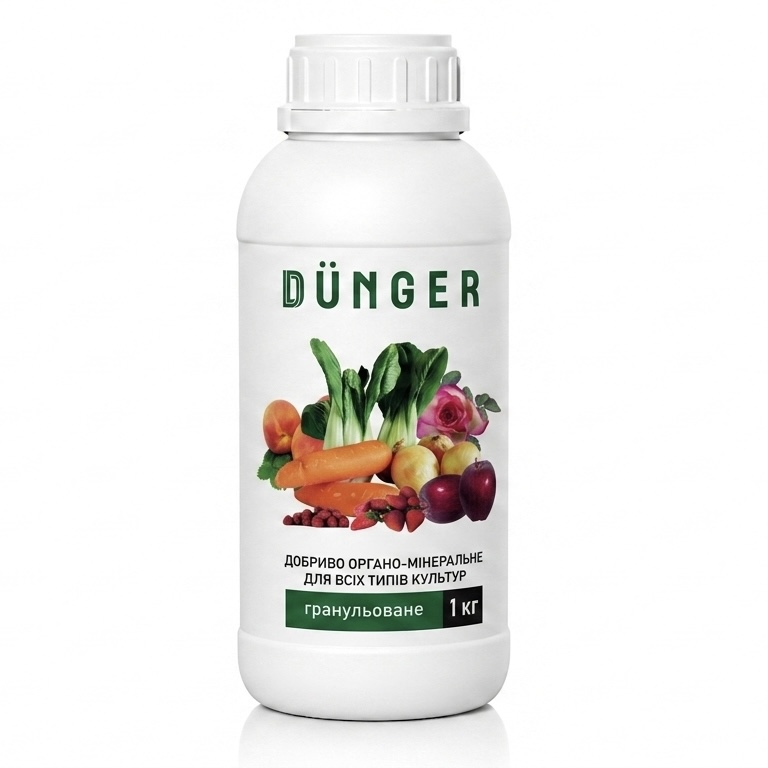
Organo-mineral fertilizer for all types of crops granular
For a vegetable bed with a confirmed need for a base application, consider DÜNGER organo-mineral granules. The directions include an all-crops group and main application during autumn or spring soil preparation. First compare the soil assessment, previous inputs and composition. Plan the work when the ground is suitable and the planting cycle is appropriate. Assess winter suitability using cultivar and site information, independently of the feed choice.
Packs are 1 and 5 kg. Measure only the area that needs this formula, excluding paths. Keep conditions comparable in trial rows and use the relevant part of the full directions for the rate. Check the original image and price for the selected pack before buying. My Garden lets you specify zones and measurements for quantity planning.
Frequently asked questions
You need the cultivar name and confirmation of suitability for local autumn planting. The absence of a hard central stalk is not enough information about winter performance or storage response.
Cover changes bed conditions but not the cultivar. Judge it by weather, soil and the local growing method. Additional thickness does not guarantee a successful bulb crop.
Assess nutrition from the soil and the product's composition. Feed cannot remove the risk of an unsuitable cultivar. Check the stock and bed first and base any application on an independent need.


