


Routine houseplant repotting is usually easiest as active growth begins, often in spring or early summer. The season alone does not mean that every plant needs a new container. First inspect roots, the mix and how water moves through the pot. A healthy plant may be left alone, moved to a slightly larger container or given some refreshed mix. Signs of root damage need a separate assessment of their cause.
Start with a reason, not a new pot
A plant may dry quickly because roots have filled its container. The same change can follow a move towards sunlight or heating. Slow growth does not prove crowding either: check light, season, temperature and previous care. If all the mix stays wet for a long time, a bigger pot may complicate the problem. Compare current behaviour with the plant's earlier condition rather than making a decision from one observation.
Buying an attractive decorative container does not require immediate root disturbance. A plant in a draining inner pot can sit inside a suitably sized outer pot without filling the surrounding space with soil. Remove water from the outer container after watering. This changes the display while leaving time to assess whether repotting is necessary. Check each inner pot separately when several plants appear to form one arrangement.
Consider several signs together
- Roots emerge through drainage holes or appear at the surface.
- A dense root network surrounds the sides and bottom of the ball.
- Water moves through or stays in the pot differently from before.
- The plant wilts between normal waterings despite apparently unchanged conditions.
- New leaves are unusually small or development has slowed.
One sign does not produce a complete decision. A single root beside a hole cannot describe the entire ball, and smaller leaves may relate to conditions. When inspection is justified, remove the pot gently while supporting plant and soil. Do not pull by the stem, especially a thin one. For a heavy specimen, arrange help and a stable surface beforehand. Handling its weight becomes harder once the root ball is already free.
How season affects routine work
The beginning of active growth lets roots explore new space under favourable conditions. In many Ukrainian homes, increasing spring daylight offers a more practical window than the darkest part of winter. Species, supplementary lighting and temperature still matter. A warm room does not guarantee active growth when leaves receive too little light. Look for actual new development and assess the individual plant's position. A collection does not enter growth as one unit.
A healthy plant growing slowly through winter can often wait before a routine size increase. It may use a large amount of fresh moist mix slowly. This does not mean waiting for spring regardless of damage. If the base softens, the ball stands in water or roots show decay, investigate what is wrong and which actions are needed. A potentially serious condition is not ordinary calendar-based repotting and should be assessed promptly.
Inspect without unnecessary destruction
Observe how much mix remains within the ball and how tightly roots circle its outside. Assess firmness and integrity without treating one colour as normal for every species. Soft dead sections differ from firm living roots. Extensive damage requires assessment of disease, watering and the remaining root system. Moving everything into a larger pot does not identify the cause. Keep photographs if the condition is unclear and you need advice.
For insects or unfamiliar structures, establish what they are first. The guide to pests in houseplant potting mix helps organise inspection. Do not wash or cut away the entire system simply because it differs from a photograph of another species. For a normal healthy foliage plant, gently loosen accessible circling outer roots where necessary. Severe pruning requires knowledge of species and purpose. One procedure cannot be assumed suitable for a ficus, an orchid and a succulent.
Choose a proportionate container and suitable mix
Avoid the largest pot intended to last for years. A modest increase is easier to monitor than a large mass of wet material beyond the roots. Check holes, shape and stability. If the only problem is a heavy canopy, a broader outer container or safer placement may provide support without unnecessary mix volume. Compare the inner pot with the actual root ball before starting. Decorative appearance is only one part of a functional container choice.
Choose new mix for the species and conditions rather than the word universal alone. The guide to choosing houseplant potting mix explains selection in detail. For ficus, also consult the guide to ficus soil and containers. Stones at the bottom do not replace a drainage hole or create an outlet from a sealed container. Clean a previously used pot before planting rather than hiding old residues under new material. Keep the plant's requirements in view while choosing supplies.
A sequence for a healthy foliage plant
- Prepare a clean container, appropriate mix, work surface and water.
- Record the old planting level to avoid accidentally burying the stem base.
- Remove the previous pot carefully and confirm that root condition fits your plan.
- Position the ball with room beneath the rim for watering.
- Fill around the sides without compacting a hard mass, and confirm the level for the species.
- For an ordinary foliage plant, water, allow surplus to drain and empty the outer pot.
This is not a specialist procedure for orchids or every succulent. Their materials, root condition and subsequent care need separate guidance. Avoid opening the whole collection at once. Complete one plant and check its position before starting the next. This reduces confusion between mixes, labels and root systems. Keep clean materials separate from anything removed from a plant with unexplained damage rather than spreading it across the working area.
When refreshing or observation may be enough
A large healthy specimen does not necessarily need an even larger container every year. Where its root system is suitable, carefully refreshing some old material without burying stems may be an option for the species. A surface replacement cannot resolve a deeply wet compacted centre, however. Inspect the reason before deciding any refresh is enough. Likewise, retaining the pot while altering roots is a separate choice that requires appropriate knowledge.
If growth is good, water moves normally and roots have not overcrowded the container, observation may be the best next step. Keep the mix name, a photograph of the root ball and your own inspection date for later comparison. Reassess watering after changes in position or light. A free weekend or a spring pot sale does not establish that every healthy houseplant needs repotting. Work through the collection by actual priority.
Monitor recovery afterwards
Check both the old ball and fresh surrounding material, since they can dry at different rates. Avoid a sudden move into unsuitable sun or a cold draught. One lost leaf is not a reason to repot immediately again. Compare the event with water, light and root-zone condition. If deterioration continues, investigate the cause rather than cycling through different container sizes. Record relevant changes so a later assessment has useful context.
Fresh mix may already contain starter fertilizer. Return to feeding according to healthy active growth, existing supply and complete product directions, rather than adding something at every repot. The separate guide to feeding houseplants helps assess nutrition. Fertilizer cannot reconnect damaged roots or guarantee rapid use of new space. Root recovery and nutritional need are related decisions, but they are not the same job and should not be confused.
Feeding after healthy growth resumes
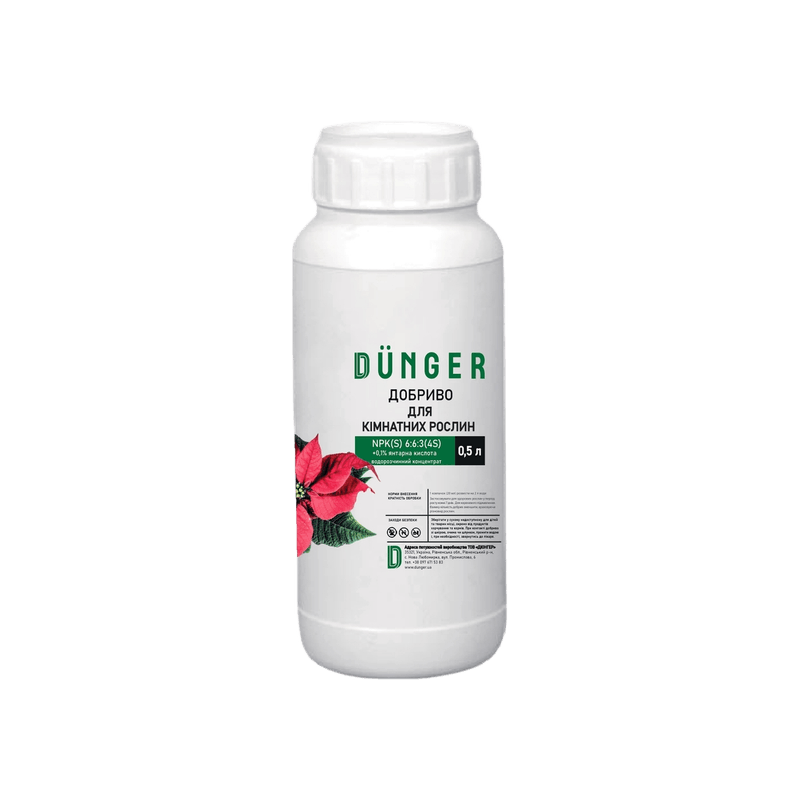
Complex fertilizer for house plants
For healthy ficus, dracaena and other covered houseplants, assess nutrition separately after repotting. Account for fertilizer in fresh mix and root condition. A new pot does not demand an immediate feed.
The description specifies a 0.5 L bottle. Check need and preparation before ordering. Garden areas, crop measurements and a product plan can be kept separately in My Garden; retain your own houseplant repotting notes independently.
Questions about repotting time
First inspect the plant, roots and drainage. A healthy purchase in a suitable container does not need automatic disturbance. A problem should be addressed according to its cause, not simply because the plant is new.
Assess the whole ball and water behaviour. One root does not show the degree of crowding. The decision depends on species, condition and the further growth you want.
Routine work on a healthy plant can often wait for active growth. Potentially serious root damage needs a separate timely assessment rather than waiting for an arbitrary date.


