


Alocasia needs potting mix that holds moisture available to its roots while allowing excess water to drain. Begin with a good houseplant mix and a pot with drainage holes. Check root-ball size, the growing position and how quickly the current pot dries. Those conditions help you choose a suitable mix. If water is standing inside the decorative outer pot, empty it and investigate that cause before changing the substrate.
Check what the roots are experiencing
Alocasias come from warm conditions and respond indoors to the combination of light, temperature and moisture. Their roots need air spaces in the potting mix. A volume that remains saturated for a long time limits the air available to roots. A severely dry ball is also difficult to manage. Before buying a new mix, examine what is happening inside the container and how you have been watering it.
- Water stays in the outer pot. Lift the inner pot, empty the water and inspect the holes. Determine whether drainage is being blocked by the container or the mix.
- The surface is dry but the centre remains moist. Check deeper and compare pot weight. A change in the top layer does not describe the entire root ball.
- Water runs down the sides. Check whether the ball has dried and pulled away from the pot. Try moistening it evenly before deciding that repotting is necessary.
- Roots have filled the container. Assess their condition and the plant's growth. A crowded pot may need the next size when conditions support active growth.
Read the bag before choosing a mix
Look for material intended for container plants. Check the components, texture, any starter fertilizer and the maker's directions. Peat or prepared coir may form part of the base. Perlite, bark or other suitable ingredients alter the balance of air and water. Similar wording on two bags does not mean they will behave identically. Examine a small portion before working with the whole bag.
Perlite can increase larger pore spaces, while prepared bark adds structure. Roots also need contact with a moisture-holding base, so consider the amount of coarse material alongside the finer fraction. A finely textured mass packed firmly behaves differently. The guide to choosing houseplant potting mix explains the broader choices. For alocasia, compare those principles with its root ball and the conditions in your own home.
Try a small amount before mixing a large batch
If you want to alter a purchased mix, first make a small sample. Take some base mix and add the selected horticultural component, recording the amount with a measure of your own. Keep a matching portion of the base without the addition for comparison. This is a possible home trial. Choose components for the situation you are testing and avoid introducing several new materials at once, which makes the effect harder to interpret.
Use clean components intended for growing plants. Garden soil can compact in a small pot and may bring unwanted organisms indoors. Colour and smell alone give limited information. Look at how evenly the mix wets, whether it retains its structure and whether water flows through the holes. Keep the bag information about nutrient additions for the later feeding decision.
Compare samples in empty pots
Before repotting, you can compare two small portions in identical empty pots with holes. Fill to the same level, settle them equally lightly and moisten gradually. Allow water to drain and stand both pots near the position you intend for the alocasia. Label each mixture. An empty-pot comparison shows the behaviour of the material. A planted pot will also have roots taking up water.
- Check that water reached the centre instead of simply running around the edges.
- After drainage, compare weight and moisture a little below the surface.
- At later inspections, see where moisture persists for longer.
- Look for settled compacted areas or pockets that have stayed dry.
- Choose a mixture alongside the watering care you will be able to provide.
A fast exit of water does not establish that the whole mix is equally wet. A light pot can still hold a wet layer at the bottom. If the samples differ greatly, check them again before preparing a large batch. Recording the components helps you reproduce a suitable mixture later. The samples provide no test of disease protection or future growth speed.
Match the container and planting level
Select the container around the existing root ball. Moving to a slightly larger pot provides space for fresh mix. Too much wet mix around small roots makes moisture harder to manage. Check that the decorative outer pot allows you to lift the inner one and leaves the drainage holes open. A layer of stones underneath cannot correct a poorly structured volume of mix. Effective drainage depends on the whole arrangement.
Support the root ball while working. Check whether roots feel firm and whether there are soft areas with an unpleasant smell. Colour alone cannot diagnose the cause. If there is obvious damage, assess its extent before proceeding. Healthy roots usually need no complete washing merely to replace the mix. Keep the plant's previous level and avoid burying the bases of the leaf stalks under a deep new layer.
Monitor the plant in its new mix
Choose bright indirect light and steady warmth. In Ukrainian apartments, cold window glass and air near heating can create quite different conditions on the same shelf. A new mix may change the watering frequency. Check the old root ball and fresh surrounding material, especially at the first few waterings. Slower growth under weaker light can leave water in the container for longer.
Use the guide to identifying pests in potting mix if you find insects in the mix, and identify what is present before choosing treatment. Before leaving home, test any automatic houseplant watering system on the chosen pot well ahead of departure. A system that worked with the previous mix may deliver water differently after repotting. When conditions have settled, select feeding according to the plant's activity and fertilizer already present.
If you keep several alocasias, compare each pot individually. A small plant in a deep pot beside the window can behave differently from a larger plant on a bright shelf. The same bag can therefore call for different watering decisions in separate containers. Check a representative point in each root ball and keep a simple note of changes. That makes it easier to identify whether a later problem followed a new location, a new container or a change in watering.
Feeding indoor plants once care is settled
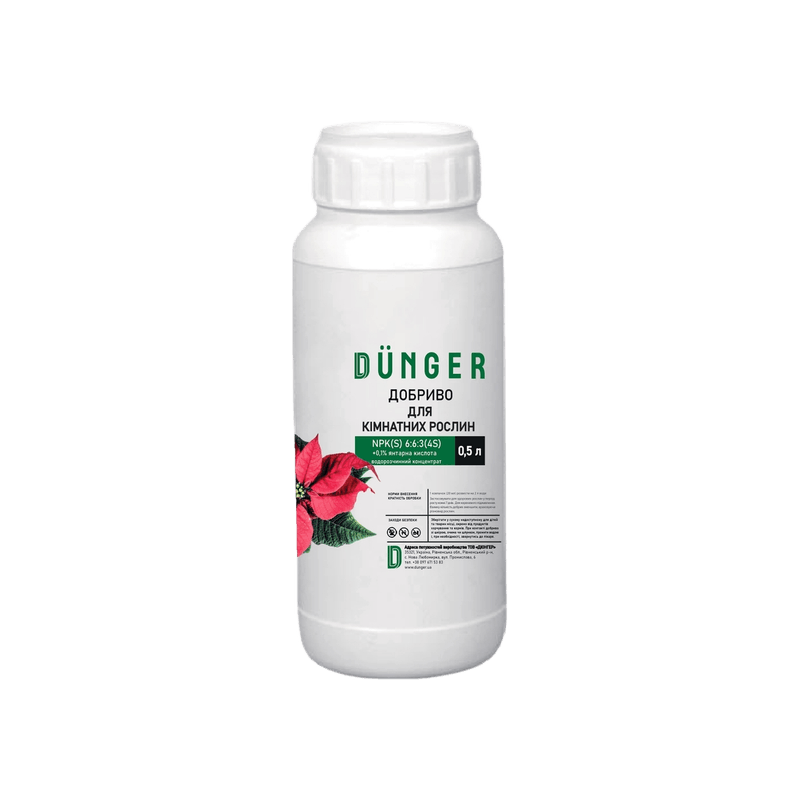
Complex fertilizer for house plants
For a healthy alocasia in active growth, consider the DÜNGER general houseplant liquid fertilizer when a check of existing nutrition shows a need. First check whether the mix already contains starter fertilizer. Match the root application method and other conditions to the full directions.
Dilute the 0.5 L bottle concentrate according to its own instructions. A repotted plant with damaged roots or persistently wet mix needs its growing conditions addressed first. Check the original photo, pack size and current price before ordering.
Questions about alocasia potting mix
First provide open holes and an unobstructed outlet. Assess the structure of the main mix separately. Stones under a dense mass cannot solve persistent saturation within it.
Check roots, moisture and the container. A healthy plant in a functioning mix may be able to stay where it is. Standing water or visible damage needs a separate decision after inspection.
Volume, structure and the amount of mix yet to be occupied by roots may have changed. Check moisture around the old ball and the current light. Reassess watering in those conditions.


