


Indoor jasmine needs good light, a pot that drains and care suited to its actual species and growth. If buds fall after purchase or leaves turn yellow, check the position, moisture around the roots and temperature beside the pot before adding fertilizer. Feeding cannot replace these conditions. Start with the botanical name on the label: several different plants are sold as jasmine, and they do not all need the same treatment.
Identify your jasmine first
Jasminum polyanthum and Jasminum sambac are among the species grown indoors. The former has slender twining stems, compound leaves and fragrant white flowers opening from pink buds. It is often sold trained around a small hoop. The support is a nursery training choice, rather than a sign of different growing requirements. Keep the species name when you remove the shop sleeve or replace the label.
A garden shrub with fragrant white flowers may be mock orange, while star jasmine can belong to a different genus. If the label is missing, identify the plant from its leaves, flowers and origin before choosing winter conditions. Fragrance alone is insufficient; advice for an unrelated garden shrub may be unsuitable.
Choose a bright position without abrupt changes
Give jasmine a well-lit place. A room that looks bright can still be too dark for it. Check window obstructions such as buildings, trees and curtains. Let foliage receive daylight without touching cold glass.
An east-facing or west-facing window can be a useful starting point. Intense sunshine in a hot position may need light shading. Do not move jasmine straight from a dim shop or winter room into strong sun. Adjust exposure gradually, particularly when moving the pot onto a balcony.
Winter care in a Ukrainian home
In a heated flat, the leaves and roots can experience different conditions. Warm air may rise from a radiator while the windowsill beneath the pot becomes cold. Keep jasmine out of hot air currents and avoid trapping it between a heavy curtain and the glass overnight. Protect it from a direct blast of freezing air when ventilating the room. Check the spot where the plant stands rather than relying only on a thermostat elsewhere.
Across Ukraine, actual indoor conditions matter more than a universal winter-care date. An enclosed balcony can cool sharply overnight; tender jasmine should not meet frost. Cooler conditions are species-specific: Jasminum sambac and Jasminum polyanthum are not interchangeable. If heating is interrupted, protect the plant and reassess how slowly the potting mix dries before repeating your usual watering.
Water according to the pot, not the calendar
Inspect jasmine regularly, but water according to need. Feel the mix and compare pot weight before and after watering. Avoid prolonged wetness and severe drying. Similar pots beside different windows can dry at different rates. Use calendar reminders to check, rather than automatically add water.
When watering is needed, moisten the root ball and allow excess water to leave through the drainage holes. Inspect the saucer and decorative outer pot, then empty any collected water. A damp surface does not always describe the whole root ball. Water running quickly out of a very dry pot also does not prove that all the mix has absorbed it. Slower winter growth usually reduces water use, so match watering to light and temperature rather than repeating a summer routine.
Before leaving home, test any watering arrangement with the actual plant. The guide to automatic watering for houseplants covers choosing and trying a system. A new device should not have its first trial while the pot is unattended.
Separate air humidity from root moisture
Dry heated air can make growing conditions less favourable, but keeping the pot constantly wet is not a safe way to improve humidity around the leaves. If you use a humidifier, consider the room conditions, appliance hygiene and whether condensation is continually wetting the plant. A brief spray of water does not create a stable humid environment. Deal with the air and the root ball as separate parts of care.
Keep the pot base out of standing water. If foliage wilts, check the root ball before watering again: more water can worsen an already wet pot. Persistent deterioration calls for examining roots and growing conditions. Note which part changed first and whether the mix was wet.
Support, repotting and pruning
Give twining stems a stable support without creating a tight tangle. Attach shoots gently, leaving room for thickening. Guide new growth while flexible rather than forcing rigid older stems. Keep access to the plant base for moisture checks.
Repot for crowded roots, deteriorated drainage or an unstable container, rather than automatically after purchase. Use a proportionate pot with drainage holes; excessive volume can stay wet. Account for fertilizer already in fresh mix. With Jasminum polyanthum, coordinate planned repotting with growth and the end of flowering, rather than one date for every home.
Thin crowded or unwanted growth after flowering. Cutting a budding or flowering plant can remove expected flowers. Retain a healthy framework, and check the flowering stage rather than borrowing an automatic autumn pruning routine from outdoor shrubs.
Decide whether feeding is appropriate
Assess fertilizer needs in a healthy plant growing with enough light. Slower growth in a dark season, wet roots or cold damage do not by themselves establish a nutrient shortage. Also check whether repotting has already supplied nutrients in a fresh mix. Do not combine products simply because one says flowering plants and another says houseplants. The directions for the particular fertilizer determine how it is used.
Compare intended uses and product forms in the indoor plant fertilizer range. When choosing a concentrate, remember that the bottle contains fertilizer, rather than ready-to-use watering solution. For potted jasmine, separate ordinary watering from feeding and check the moisture around the roots before applying anything.
Feeding a healthy jasmine during growth
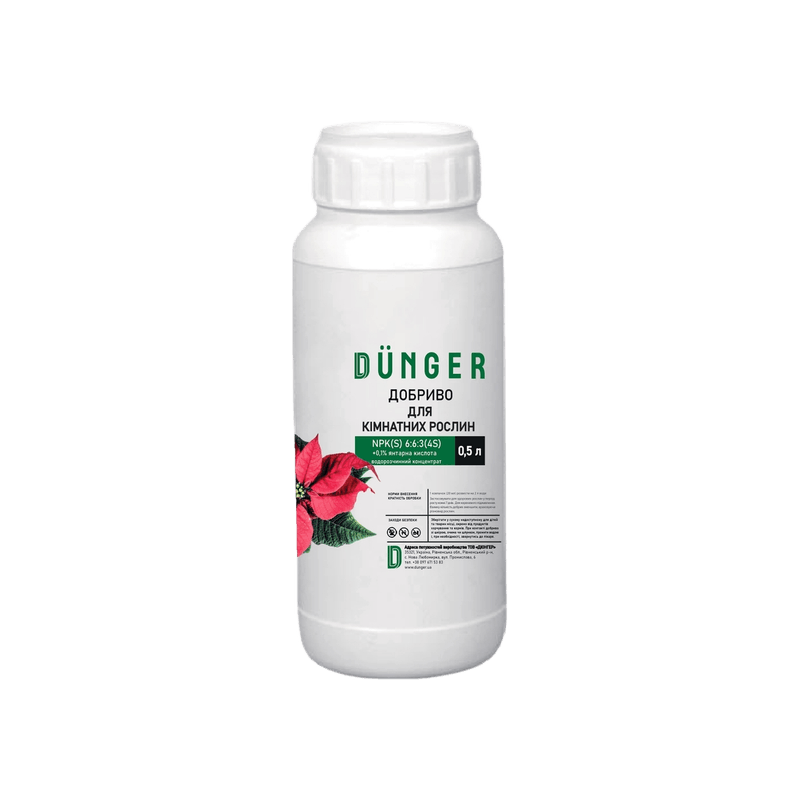
Complex fertilizer for house plants
The 0.5 L liquid concentrate is intended for indoor plants. It offers a root-feeding option for a healthy jasmine when conditions and growth make feeding appropriate. The following is this product's general houseplant instruction.
Check how many bottles your collection needs, and see the product page for current price and availability. Do not add fertilizer to every ordinary watering. Save your plants and relevant measurements in My garden when planning the purchase.
Investigate missing flowers and yellow leaves
If jasmine fails to flower, check species, light, pruning history and conditions before bud formation. Shop-bought buds may have developed in another environment. Fertilizer cannot guarantee a display. Change care in a clear sequence so you can see what helps.
Yellow leaves also have several possible causes. Look under leaves, along young stems, at leaf joints and across the potting surface. Indoor jasmine can attract mealybugs and spider mites. Separately, check for pests in houseplant potting mix if there are signs around the roots or growing medium. Fertilizer is not a pest treatment. When the cause remains unclear, keep photographs of the symptoms and seek a reliable identification before choosing a remedy.
Questions about indoor jasmine
A tender indoor species needs protection appropriate to that species. Glazing alone does not guarantee safe overnight conditions. Check the temperature beside the pot and do not transfer outdoor winter-jasmine advice to Jasminum polyanthum.
Yellow leaves do not identify a cause on their own. Check moisture, drainage, light, cold exposure and pests first. Choose feeding for the condition of a healthy plant and follow the particular product's instructions.
Inspect the pot, drainage and roots. Without an urgent problem, avoid combining a change of location with unnecessary root disturbance. Coordinate planned repotting with the species, flowering stage and subsequent growth.
Yes, provided the inner pot drains and you remove collected water. The outer container should not become a permanent reservoir around the roots. Lift out the inner pot when you cannot see what has accumulated beneath it.


