


When tiny dark flies rise from a houseplant pot or pale specks jump over the surface after watering, look at how they move and how wet the mix stays. Adult fungus gnats fly. Springtails mostly jump or crawl across damp surfaces. Fungus gnat larvae can damage fine roots when numerous, especially on young plants. Springtails usually cause little damage in household pots and may be a clue that the mix stays wet. Examine the plant separately. A wilting plant in a heavy, wet pot needs a check of drainage and roots.
Tell fungus gnats, springtails and root trouble apart
Tiny dark flies coming from the mix
Adult fungus gnats resemble miniature dark mosquitoes, with long legs and antennae. They may fly up when a pot is watered or the surface is disturbed, and some collect at windows. Try to see which container they came from. Insects found at a window might have come from another room or another source of moisture. Check each tray and cover when there are flies near several plants.
Fungus gnat eggs and larvae develop in damp growing mix and moist organic debris. The larvae are usually pale or translucent, legless, with a dark head. They feed on fungi and decaying material and may damage root hairs, especially when numbers are high or plants are small. Seeing one adult fly does not establish that the root system is damaged. If a young plant is losing vigor, inspect its growing mix, stem base and roots alongside the adult insect activity.
Pale specks that jump after watering
Springtails may look like tiny grey or cream specks. They can be easier to see after watering around the edge of a pot, in a wet saucer or on the mix surface. When disturbed, they jump. In most indoor collections they feed on decomposing material and cause little injury. For a healthy plant with a few springtails, start by checking how it is watered. A single sighting in an otherwise healthy pot gives little reason to dismantle the root ball.
Check how long the surface remains wet and whether water can escape from the base. A nursery pot may have holes yet stand in water inside a decorative cover. Remove fallen leaves and loose mix from the tray. Where there are only a few springtails and new leaves look normal, see what changes after you correct the watering before taking further action.
Wilting even though the mix is wet inside
Wilting in a heavy, wet pot can reflect root damage or a lack of air in the root zone. Take the inner pot out of its cover, check the holes and remove any standing water. If the plant continues to weaken, gently examine the outside of the root ball. Dark, soft roots and a decaying smell can point to damage. Root color varies by plant and medium, so also assess firmness, the condition of the tips and any change over several days.
If the problem starts on leaves, check their undersides. Small insects that fly off the leaves can be different from the flies emerging from the mix. Where the activity starts matters more than the size of the insect. For a plant that prefers even moisture, see caring for a peace lily in a pot before you extend the time between waterings.
What to change at home before considering treatments
- Set a new or suspect plant apart from the collection where there are no other pots.
- Remove the inner pot for watering, let excess drain and empty the saucer.
- Check below the surface and water to suit the species.
- Remove fallen leaves and damp loose mix from shared trays.
- Use a yellow sticky card to monitor flying adults if you are trying to trace the source.
A sticky card catches adult flies and helps you compare activity at different pots over similar periods. Eggs and larvae in the mix are beyond its reach, so continue checking the mix and standing water. Place the card away from leaves and out of reach of children and pets.
During winter heating in a Ukrainian flat, the same pot can dry at different rates beside a radiator and by a cold window. Warm air can dry the surface while the middle stays wet. A plant in a dimmer room may use water more slowly than one in a brighter spot. Check individual pots by weight and moisture, then match the result to the needs of the plant. For a pot with a reservoir or wick, review automatic watering for houseplants and make sure the mix stays at a moisture level that suits that species.
When to replace the potting mix
Think about repotting if the mix has compacted or stays excessively wet even once the holes drain freely. Check whether the plant still has firm living roots and whether its condition is declining. A small root ball inside a much larger volume of wet mix also calls for a check of pot size. Choose a draining container and fresh mix suited to that plant. For the needs of different indoor plants, see choosing a potting mix for houseplants.
If the plant remains in its pot, write down the last watering date and take a picture of the leaves. Compare results over a few observations before changing a second variable. Where leaves are dropping quickly or there is obvious root damage, seek a diagnosis. Changing the mix, light and fertilizer at the same time makes it harder to see what mattered. Once healthy growth returns, decide which routine care the species needs.
Check new plants and other damp areas separately
Keep a newly bought plant apart for observation if a suitably lit spot is available. Watch where small flies appear and check the mix before the first watering. A moist pot from the shop may already have enough water. Inspect the saucer, leaves and mix if a plant has come in from the balcony. Clean empty containers before reusing them and keep used mix from a problem pot away from healthy plants.
When flies occur outside the room where the plants stand, inspect other damp places. In a kitchen that might include overripe fruit, while a sink or utility room may have standing water or moist organic debris. Look for where activity returns after the source is cleaned. Finding another source can spare a healthy plant needless drying.
Label a few suspect pots and keep one observation per pot. Compare them after the same care, for example when you have watered each plant only as needed and let it drain. Falling adult catches, healthy new leaves and a steady loss of moisture show different things. If the cards stay clear and the plant still wilts, return to the root check.
Feeding once healthy growth has returned
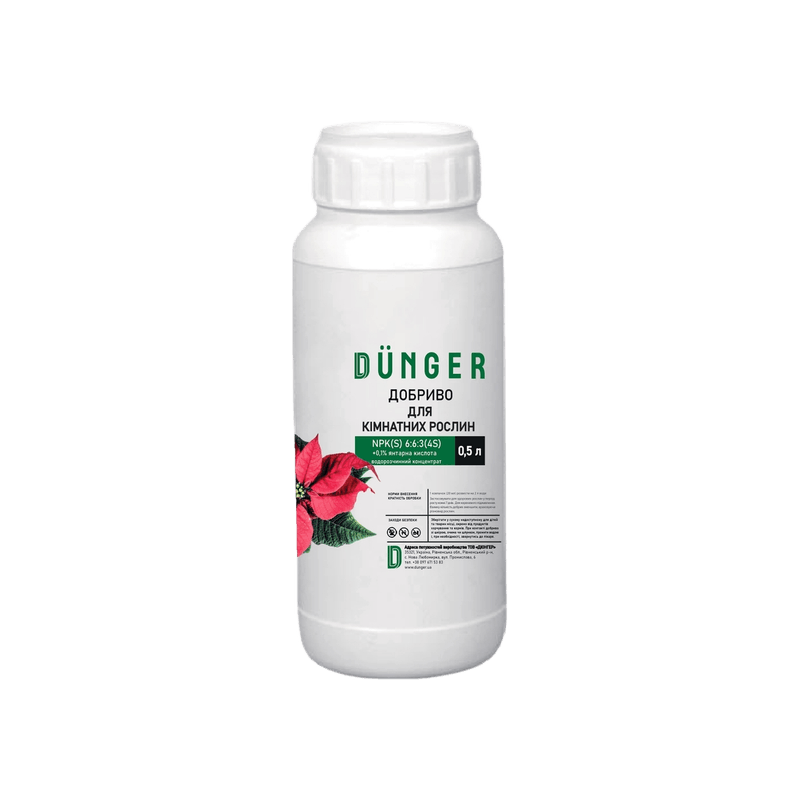
Complex fertilizer for house plants
If the roots are healthy, the plant is growing actively and needs nutrition, match the species to the full directions for the DÜNGER houseplant fertilizer. Ficus and dracaena are among the listed plants. This is a root feed. Finish checking persistent wilt or drainage problems before making a feeding decision.
It is used for healthy plants during the growing period every 7 days. Dilute 20 ml of concentrate (1 cap) in 2 liters of water, feed the plant after watering, taking into account the size and age. In winter, reduce the concentration of fertilizer.
Do not exceed the recommended doses of fertilizer, as this can lead to injury or death of plants. Do not use with other fertilizers. Under no circumstances should plants be fertilized when the soil is dry.
The bottle contains 0.5 L of concentrate. Check the product name, the plants listed in its directions and the needs of each pot before buying. Assess plants in fresh nutrient-charged mix separately.
Frequently asked questions
Springtails in pots usually do little harm. If the plant is growing normally, check drainage and how long the mix stays damp. Persistent wilt or visible damage deserves a separate root check.
It can reveal and catch flying adults. Eggs and larvae remain in the mix, so check moisture and any wet organic debris separately.
Start with moisture, drainage and roots. When the plant is healthy and growing actively again, consider its nutrition separately using the instructions for the plant and product.


