


Trim a petunia according to the condition and natural shape of the plant. A compact specimen may need only the spent blooms and broken parts removed. An elongated shoot can be shortened just above a live node with leaves below the cut. Long stems on a trailing petunia normally spill from the basket, so length alone is a poor reason to cut them. Start by checking the leaves, developing buds and moisture around the roots.
Pinching, deadheading and shortening have different purposes
Pinching removes the soft growing tip. It can encourage side branches when a healthy plant has produced an elongated tip. Deadheading removes a fading flower and the base where a seed pod may form. Shortening a stem is useful when it spoils the plant's shape, has become bare or is broken. Begin with the smallest cut that addresses what you actually see.
If you raised the plants from seed, check whether each one has settled into its pot or bed and has enough foliage. Young plants can differ in shape and do not all need to be pinched to the same height. The guide to growing petunias from seed covers the earlier stages. Here, make decisions based on the live stems of a plant you can already inspect from all sides.
Compare mounding and trailing petunias
Healthy stems of a mounding petunia generally make a rounded mass of leaves and flowers. Pick only the tips that noticeably extend beyond that shape. On a spreading or trailing cultivar, long leafy stems cover the basket edge or fill gaps across the bed. Keep healthy stems that carry leaves and buds along their length. Shorten individual stems that have become bare, rub against a hard surface or keep breaking against a container edge.
Some hybrids shed spent blooms naturally. Check what remains when the petals fall. If the plant is self-cleaning and flowers do not stick to the leaves, there is little reason to go through each flower stalk. Wet petals on large-flowered or double forms may remain after rain. Remove them if the flowers have died. A neighbouring tight bud may also be closed, but should be left to develop.
Make a clean cut and keep some flowers
- Separate the stems. Lift one and follow it from base to tip. A crowded basket may contain several overlapping plants.
- Find a live node. Look for a leaf or side branch. On a healthy elongated stem, cut just above this point, with live foliage remaining below.
- Remove a spent bloom on its own. On a cultivar that needs deadheading, follow the little stalk to its base and remove it without taking neighbouring buds.
- Step back and look again. Check the outline from several sides. Keep flowering stems that are healthy and fit the intended shape.
Fingers can remove a soft tip. Use clean, sharp snips for a firmer stem, and support it with your other hand so it does not split. If you remove damaged or possibly diseased growth, clean the tool before moving to a healthy plant. Clear the cut debris from the pot surface where it could hold moisture beside the live stems.
If the basket has become badly straggly, start with some of the longest stems. The remainder will hold leaves and flowers while new growth develops on the cut stems. Come back to the other stems once you see sustained growth. Cutting hard all at once can leave the basket without much colour while the plant recovers. The timing of new flowers depends on the foliage retained, root condition, cultivar and weather. If the plant remains weak, check the growing conditions before taking more off.
Know when to delay shaping
In a windy balcony position in the Ukrainian steppe, a small hanging basket can dry faster than a garden bed. In a shaded Polissia position after several rainy days, the mix can remain wet below a dry-looking surface. If the plant looks limp, lift the container and check the moisture beneath the surface and the drainage. Distinguish brief heat wilting, a genuinely dry root ball and a pot that stays wet. Check the guide to mixes for petunias in baskets and beds and correct those conditions before heavy trimming.
After wind or hail, remove broken growth and preserve the working leaves. In hot weather, restore even moisture if the mix is dry. Where water remains, check the drainage holes. If cool autumn nights and shorter days are already slowing growth, a deep trim may leave too little time to regain the desired shape. Use the conditions on your site, rather than a fixed cutting date.
Look for recovery after the first cuts
Compare the new growth where you trimmed and on the stems you left. If shoots lean in the same direction again, look at where the light comes from. If growth has stalled and the pot remains heavy, check the roots and drainage. In a bed, check whether neighbouring plants shade the petunia. In a basket, look at spacing between stems and whether the root ball dries evenly. The guide to feeding petunias in pots and beds can help with a separate decision about nutrition.
Suppose there are two baskets of the same cultivar. In the first, long stems hang down with leaves and buds along their length. Remove only damaged or spent parts. In the second, several stems are bare with buds only at the ends. If the plant is healthy otherwise, shorten a few of those stems over live nodes. Take a picture of the starting shape. At the next check, look for side growth as well as open flowers.
Think about the display before removing stems. A basket beside a window is often seen from below, so healthy flowers on the trailing edge matter. A pot beside a doorway may need a single stem shortened to clear the passage. In a bed, keep the growing tips that cover open soil and examine the ones buried under neighbours. Decide where you want the plant to grow before deciding how much to take.
Trace stems one at a time in a mixed pot. One plant may be shading a weaker neighbour, even where all the stems look as if they belong to one plant. Find the actual base before cutting. If light falls mainly from one side, consider a gradual move or rotation without suddenly moving tender leaves into hot sun.
When you want flowers for a planned occasion, start by tidying spent blooms and broken tips. Save bigger changes for later if they would remove most of the buds. For each stem you plan to shorten, identify the healthy growth that will remain below the cut. If the live node is hidden, lift the foliage for a closer look and choose the position before using your snips.
Feed for petunias once active growth resumes
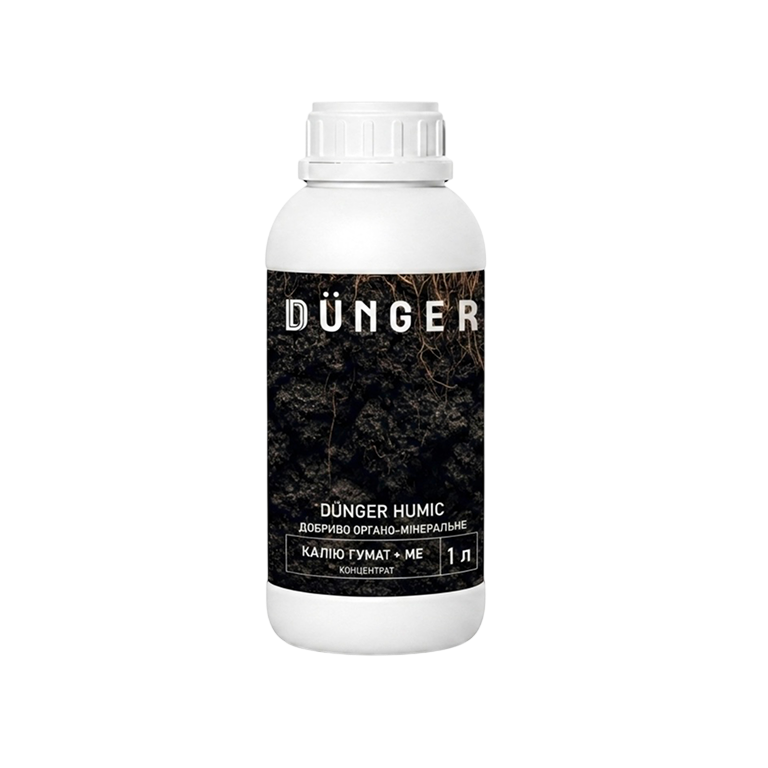
Organic-mineral fertilizer DÜNGER HUMIC (potassium humate, ME)
For a healthy petunia in an outdoor pot or bed, consider feeding only if there is a demonstrated need. DÜNGER HUMIC expressly lists petunias under garden flowers. Check the row for the active growth stage and the root-watering method. Check moisture and drainage first; fertilizer cannot take the place of suitable watering or healthy roots.
Assess the area of plantings that need feeding and read the full directions before choosing an amount. The product description specifies a 1 L pack; check the current ordering details on its page.
Frequently asked questions
No. Long leafy shoots carrying buds are normal for a trailing form. Consider trimming individual stems if they are bare, damaged or crowding other shoots. Keep healthy growth that serves the intended shape.
If the cultivar benefits from deadheading, remove the spent flower with its base. The petals alone can fall away while the developing seed pod stays on the plant.
Check water, light and new growth first. A cut does not establish a need for fertilizer. For a healthy outdoor petunia in active growth, choose a product only for an actual need and an appropriate stage in its directions.


