


Chlorosis in a rose means leaf tissue is turning yellow. The next step is to find out why. If the youngest leaves grow pale between green veins, check whether the roots can access iron. Look at soil pH, drainage and the condition around the roots. If the leaves have separate dark spots with yellow areas around them, or become unusually small and distorted, investigate other causes as well. One photograph or color alone cannot tell you what to apply.
Use the yellowing pattern to choose your next check
Pale areas between green veins on young leaves
This is a reason to investigate iron availability. The youngest leaves may look paler than the older ones, with veins still clearly visible. In alkaline soil, iron can be present but hard for the plant to take up. Root injury, compaction and excess water can also interfere with uptake. Check the soil and the root zone next. A product containing iron will not fix standing water or repair roots injured during transplanting.
Older leaves fade before newer ones
Uniform yellowing that begins on older foliage is a different pattern from pale tissue between the veins of new leaves. Feeding can be one possibility, but the order of symptoms does not establish a diagnosis. Check whether a few leaves are fading in a shaded part of the shrub or whether the whole plant has gone pale and new growth has slowed. Recall what has already gone into the soil. Adding another fertilizer without looking can make it harder to trace the cause.
Spots, coatings, lines or distorted shoots
Rose black spot produces distinct dark spots, often with irregular margins. The surrounding leaf tissue may turn yellow and leaves may drop. White powdery growth or orange pustules on the underside point to different checks. Look separately at uneven pale lines, rings or badly distorted growth. Inspect both sides of several leaves, look at the stems and photograph the whole shrub. Do not choose a spray just because there is some yellow in a picture.
New shoots on some roses start out reddish. Compare with earlier healthy growth on your own cultivar. If the leaves unfold normally and gradually look like the rest of the healthy foliage, color on its own is a poor reason to intervene. If unusual coloration comes with deformation, dieback or very small leaves, find out what has changed and share pictures and the care history with someone who can diagnose it. Consider nearby weed treatments, because accidental contact can also damage roses.
Check soil, water and work you have done recently
- Compare two spots. Inspect the ground near an affected shrub and one that is healthy. For a pot, look at the drainage holes and whether the inner container is standing in water.
- Look below the surface. The top may dry while the soil below remains too wet. Avoid digging up the roots for a first inspection. Check nearby soil and where water runs after watering.
- Trace what happened before. Recall any transplanting, compaction beside a path, soil added around the shrub or products applied. A problem on just one side suggests where to look first.
- Measure pH if needed. If yellowing between the veins persists, get a reliable measurement in the root zone. If the result or pattern is unclear, ask a laboratory what samples and symptom information to provide.
In a Ukrainian rose garden after several rainy days, heavy soil can stay wet for a long time while a container beside a warm wall dries quickly. Both plants may look pale for different reasons. Postpone pH correction if you do not know the starting value. Avoid improvised home acidifiers or foliar mixtures. Return to the basics in our guide to growing garden roses. The broader signs of leaf chlorosis help you compare patterns, but what you do for your rose still depends on the individual plant.
Track changes after the first inspection
Mark an affected shoot and one that still looks normal. Photograph leaves of a similar age in similar light, and take a separate photo of the whole shrub. Write down when it was watered, when it rained or what care changed. At the next check, look at new foliage, the spread of any spots and the condition of the shoots. Avoid changing everything at once. If you acidify, fertilize and change watering together, it will be difficult to tell what affected the plant.
If only one rose has changed while its neighbors are healthy, look at its particular site and root zone first. If the symptom spreads quickly with dieback, growths on the canes or severe distortion, collect clear photographs and seek a diagnosis. For the routine feeding of healthy shrubs, return to choosing a rose fertilizer once you have separated nutrient needs from other causes of yellowing.
What a helpful plant photo shows
Take one picture of a whole shrub, one of the transition from older to younger leaves and one of both sides of an affected leaf. Include part of the nearby soil or the top of the pot so it is clear how the plant is growing. If you are asking a specialist about several roses, label the photographs by site. Images taken on different days under different light can make the color look different even when the leaf has changed very little. Include a note about the weather and the care history instead of relying on color alone.
Separate a site problem from a plant problem
Suppose two roses of the same cultivar grow on opposite sides of a path. If only the one where water collects after heavy rain goes yellow, start with that part of the bed. The shrubs are the same age but the water does not move through the soil in the same way. Note the location and timing, then decide whether drainage is your first task. If symptoms persist after conditions improve, consider having the soil tested.
Routine rose nutrition after checking the cause
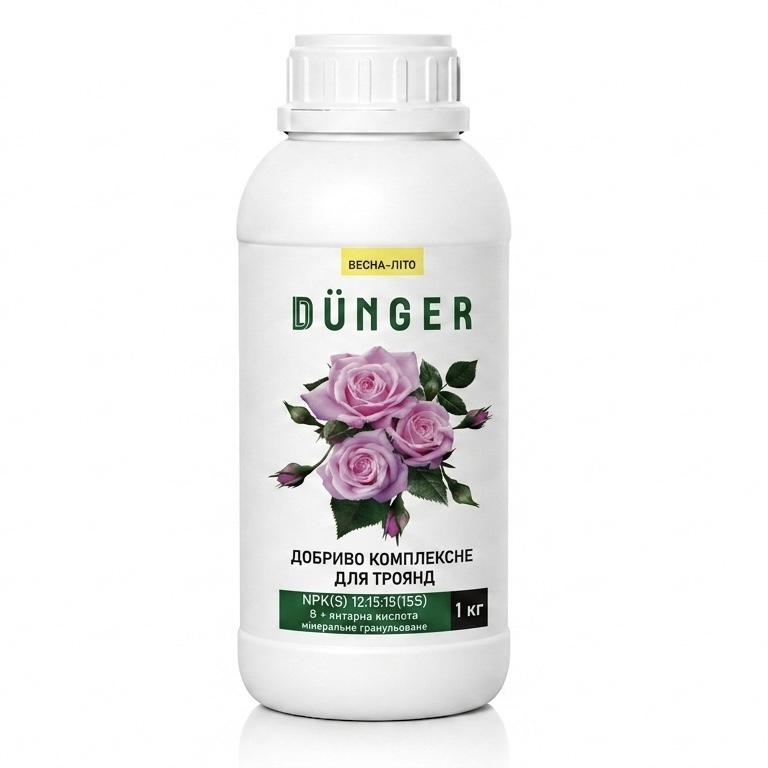
Complex fertilizer for roses granular
If inspecting the shrub and soil shows it is ready for routine feeding, compare this granular rose product with what the plant needs. Check the composition, application method and conditions for the selected stage. Yellow leaves alone are not a reason to apply it. If you confirm a specific deficiency or a root-zone problem, address that finding first.
Compare 0.5 kg and 1 kg packs, and use the full directions to account for the age and size of the shrubs. Check separate growing conditions individually. This is a product for feeding roses. A disease or an injured root system requires a response appropriate to that problem.
Frequently asked questions
They are a reason to check iron availability, particularly when the youngest leaves changed first. The plant may have trouble absorbing iron already in alkaline soil or if its roots are damaged. Check the conditions before choosing a correction.
Interveinal yellowing often leaves the veins green. With black spot, look for distinct dark spots with irregular edges and yellow tissue around them. The two patterns can occur on the same shrub.
See whether water is lingering around the shrub. Check a container's holes and saucer, or a garden bed's low spots and runoff. Do not add water or feed on a routine schedule while the root zone is still wet.
It feeds roses when used according to the directions. Standing water, root injury or a leaf spot problem require a response to the cause. After adjusting care, watch the new growth instead of expecting every older leaf to respond in the same way.


