


Do not select the day solely from harvest date or a neighbour's calendar. Vines beside a warm wall, on an exposed trellis and in a greenhouse do not develop identically. First establish the task: training a young vine, annually pruning a bearing plant, restoring a neglected vine or removing a specific damaged part. Each calls for decisions beyond a date written in a calendar.
Before starting work, save the vines as a separate zone in My Garden. This keeps their area separate from the lawn or flower bed when planning a purchase. Keep pruning dates and bud observations in your own care notebook.
Why dormancy matters
Grapes produce fruit on new shoots that develop from buds on the previous season's wood. Annual pruning helps maintain the selected form and manage the amount of fruiting wood. It does not mean removing everything that grew last summer. Some of that one-year growth is needed for the following season, while the permanent older parts provide the vine's framework and support.
Without leaves, the structure is easier to assess: trunk, arms, one-year canes and their arrangement on the support become visible. However, leaf fall alone does not identify the best day under every set of conditions. Winter damage matters on a cold site, while growth may begin earlier under protection. Consider the plant's actual stage together with the risks and conditions at its location.
Autumn or spring: make a site-based decision
In cold-winter conditions, complete pruning in autumn or early winter can increase the risk of winter injury. Working later, towards the end of winter or beginning of spring, allows the result of the cold period to be considered. “Prune every vine immediately after the last grapes” is therefore unsuitable as a general rule. Harvest and the best pruning window are different questions.
If you protect vines over winter, establish the training system and preparation method used for the cultivar before starting autumn work. Do not automatically shorten every cane to its final length merely to make it fit. Removing a vine from its support does not determine next season's crop load. Where preliminary shortening is needed, plan its limits and the assessment after winter as parts of one system.
Timing can differ in milder locations and under cover. Greenhouse vines begin sap movement earlier than outdoor plants, so their schedule should not simply be transferred to an exposed trellis. Southern Ukraine, central regions and colder sites should not share one compulsory date. The actual season and plant stage matter more than the name of the month or another location's usual routine.
Understand the training system before cutting
Before the first cut, identify the permanent structure and the canes intended for future fruiting. A cane is a ripened shoot from the preceding growing season. The trunk and perennial arms serve a different role. Removing useful one-year growth while retaining only an old framework cannot be corrected by choosing the right pruning day. The structure left behind is part of the decision.
Some systems replace longer fruiting canes annually; others use short fruiting spurs on permanent wood. Choice depends partly on cultivar, conditions and support. A universal instruction to leave the same number of buds on every branch may therefore be unsuitable. Select and understand the training system before deciding cutting length, rather than treating an isolated bud count as a complete pruning plan.
A young vine first develops roots and its future framework. An established bearing plant needs annual maintenance, while neglected grapes require a separate restoration plan. Do not apply the same removal amount to all three situations. Photograph an old vine from several directions and mark the parts you intend to keep. Review that plan before making cuts that cannot be reversed.
What if sap bleeds from the cuts?
Spring sap flow from a cut is commonly called grapevine bleeding. It is more noticeable after later pruning when sap movement has resumed. On a healthy vine, ordinary bleeding usually does not mean the plant is dying. Do not diagnose the problem solely from the number of drops, and do not attempt to treat the cut with fertilizer, which serves another purpose.
This assessment should not be extended to every wound or damaged plant. Large cuts into old wood and work on a weak vine need their own plan. If cracks, dieback or other suspicious changes are present, investigate their cause. Record the pruning date and bud stage for the following year. That information is more useful for improving your window than a general fear of every spring cut.
If buds have started developing
Once growth begins, buds and young shoots are easier to damage when moving and tying canes. Prepare the support inspection and arrangement plan in advance. If you missed the intended window, do not compensate by rushing every operation into one day. Separate necessary shaping from major changes to older parts, and confirm a plan for the actual stage of the plant.
Photograph the buds before seeking advice if you are unsure whether the vine is still dormant. Include the whole plant and explain whether it grows in a greenhouse, beside a wall or on an open trellis. A month name without these details says little about development. One early vine's budbreak does not establish the stage of every cultivar in the garden.
Summer management is a different task
During active growth, arrange shoots on the support and manage canopy crowding. This differs from choosing fruiting wood during dormancy. Do not wait until summer to decide for the first time where the permanent framework should be. Equally, completing dormant pruning does not justify removing all the subsequent green shoots. Each season's operations need to preserve the plant structure required by the chosen system.
Light and airflow through the canopy matter for grapes. The amount of leaf, side-shoot or cluster removal nevertheless depends on the system and plant condition. A leaf number demonstrated in another garden's video cannot automatically be applied to every shoot. Identify what is obstructing arrangement and care, then choose the appropriate operation without turning canopy management into indiscriminate stripping of the vine.
Choose fertilizer for grapevines as a separate decision, based on plant need and previous applications rather than the number of branches cut away.
Prepare the work in a clear order
- Record cultivar, age, site and the existing training system.
- Inspect the support and permanent framework.
- Assess the growth stage and possible winter injury.
- Mark the canes you plan to retain before cutting.
- Remove cut material from beneath the vine and keep a photograph of the result.
Use a functioning tool that gives a controlled cut. Do not force secateurs through wood beyond their capacity in one movement. Where the plan involves major changes to old wood, first assess restoration and the support. Arrange access before beginning rather than compensating for an awkward position by making whatever cuts can be reached from one side. The intended structure should guide the work.
Clear pruned material and damaged berry and leaf remains. Sanitation reduces places where infection can persist. When suspicious dead sections are present, separate investigation of their cause from routine shaping. Neither pruning nor fertilizer replaces disease diagnosis, and new growth does not establish that every wood problem has disappeared. Keep records of affected parts if you need help deciding how to restore the vine.
Keep a useful record for next year
Record date, bud stage, observed injury and the selected form. Add photographs after pruning and at the start of growth. Keep cultivars separate so that results from different training systems are not confused. This makes it easier to explain which canes were retained, which parts were replaced and where a problem arose, instead of trying to reconstruct the work from summer's intertwined growth.
Note whether winter protection was needed and when the vine returned to its support. Records help organise work but do not create a permanent calendar. Inspect the plant and weather again the following spring. Last year's successful date can remind you to begin observing; current conditions and the particular vine's stage still determine the final window.
Plan nutrition according to the vine's needs
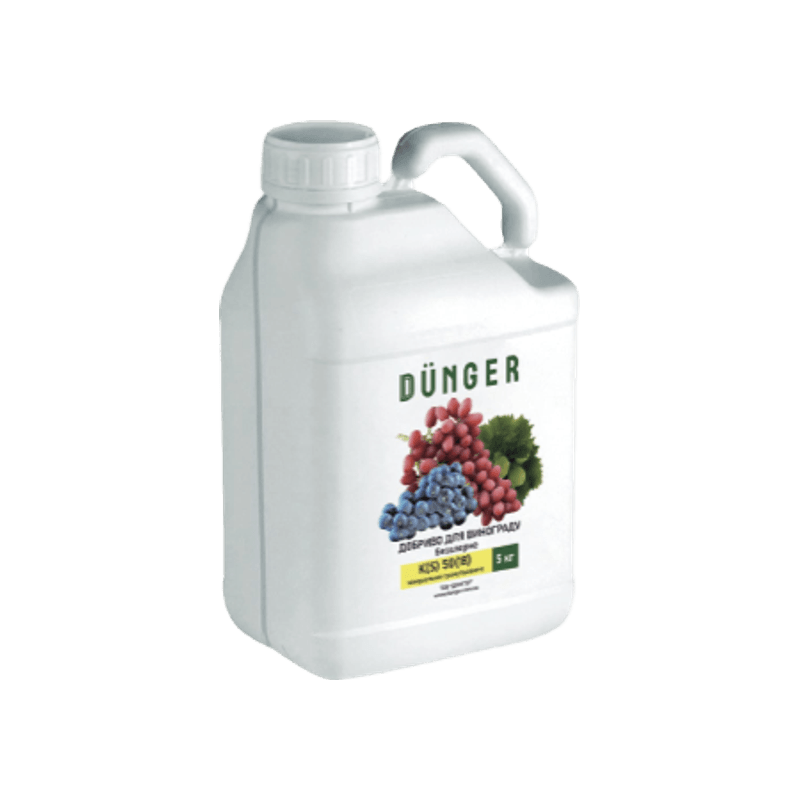
Complex fertilizer for grapes
This DÜNGER potassium granular product has a grape application and 1 and 5 kg packs. Assess nutrition using soil, vine condition and previous feeding. The pruning date does not automatically determine a fertilizer date or rate. Its instructions state the following timing:
The ideal time - early spring, before the flowering of grape leaves.
Read the complete method and grape application row before use. Compare options in fertilizers for grapes. Feeding cannot compensate for removing the required fruiting canes or replace assessment of winter damage.
Common pruning questions
No. Consider cultivar, outdoor or greenhouse growing, winter risks and plant stage. For a cold outdoor vineyard, look towards the later part of dormancy rather than copying a milder location's calendar.
Crop load depends on training system, cultivar and plant condition. Establish the system and assess overwintering first. A universal number cannot replace those checks.
No. Sap from a spring cut does not establish a nutrient deficiency. Select nutrition using other information and product instructions, and investigate suspicious injury separately.
