


Potted campanulas need a bright spot, a mix that stays evenly moist and a way for excess water to drain. A plant with soft trailing stems and white or blue star-shaped flowers may be the Italian bellflower often grown indoors. Check the botanical name on the label first. Garden bellflowers are also sold as campanulas, and their care can be different.
Which campanula is in your pot?
Italian bellflower, Campanula isophylla, grows with trailing stems, leaves with heart-shaped bases and open, star-shaped flowers. The stems are brittle and break easily if you lift the pot by the trailing growth. Dalmatian bellflower, Campanula portenschlagiana, is a different species often grown in gardens. It needs its own winter and planting conditions. Colour alone does not identify the species: blue and purple shades occur in many bellflowers.
Keep the plant label or take a photograph of it. If the species is missing, look at the leaf shape, the flower from the side and the way the stems grow. Do not judge frost tolerance by appearance alone. Until you know what the plant is, keep it in a bright, frost-free place. Even a garden bellflower in a small pot faces different winter conditions from the same plant growing in the ground.
Where to put campanula indoors
Choose a bright windowsill or a place beside a window where the plant does not touch cold glass. Introduce it to direct sun gradually after bringing it home. Soft morning light and the heat of midday through a south-facing window have different effects. If the leaves wilt on the window side on a sunny day, check how hot that spot gets before adding more water. In winter a sill above a radiator can have cold glass on one side and a current of hot, dry air from below.
Both the length and intensity of light influence growth in Italian bellflower. If new stems lean toward the window and the gaps between leaves get longer, check how much light reaches each side. You can move the pot closer to the light, turn it a little at a time or make room by moving a neighbouring plant. Avoid putting a weak plant straight into strong sun after it has spent a long time in a dim part of the room.
Can the pot go on a balcony?
A sheltered balcony can work in summer if it stays free of sudden heat, strong wind and cold nights. Start with short stays in a bright, protected spot and check how quickly the mix dries. An unheated glazed balcony or an open balcony can get too cold for Italian bellflower in winter. Find a frost-free place instead. Temperatures near the glass differ from building to building across Ukraine. Use a room thermometer at pot height if you are unsure.
How to water the plant and when to change the mix
Italian bellflower grows well with even moisture and free drainage. Feel the mix near the edge and compare the weight of the pot before and after watering. When the surface starts to dry and the pot feels lighter, water the mix until a little water comes out through the holes. Let it drain and empty the saucer or outer pot. If the pot still feels heavy and the mix is damp inside, wait.
If the potting mix shrinks as it dries, water can run down the sides without wetting the centre. Feel the mix near the rim and a little farther in without loosening the roots. If the water runs through immediately, add it in small amounts and let each soak in. If the root ball stays wet for days, check the holes, look for water trapped in the outer pot and consider whether the container is too large for the plant.
When repotting, use a mix that holds some moisture and has air spaces, such as a mix containing perlite. Our guide can help you choose a potting mix for flowering plants. Choose a pot only a little larger than the root ball. Extra mix in a much bigger pot stays wet longer around a small plant. If you want to compare mixes for other indoor plants, see choosing potting mix for houseplants as well.
What to check when a bellflower wilts
Check the moisture before watering. A light pot and a dry root ball suggest that it is time to water. A heavy pot with wet mix is a reason to check drainage and look at the base of the stems. If you smell decay or see soft dark roots, inspect the root ball and keep the plant separate while you work out what has happened. Limp leaves in wet mix are a poor reason to give it another drink.
After flowering and when growth resumes
Remove spent flowers and stems that are clearly dry. Leave the remaining green growth and watch for new leaves. If growth slows and the mix dries more slowly, water less frequently while keeping the root ball from drying out completely. Keep the plant in good light away from the blast of a radiator. Weak winter light and shorter days can slow growth, so the summer watering pattern may no longer fit.
After winter, look for young shoots. When the plant is growing again, check moisture more frequently and decide whether the mix needs extra nutrients. If you recently repotted into a mix with added fertilizer, check how long that supply is intended to last. A new pot is no reason to start feeding on a calendar.
Is the problem the position or a pest?
Look under the leaves in good light. Clusters of small insects around growing tips, or fine webbing and tiny pale spots, are reasons to inspect neighbouring plants as well. Set the affected campanula apart while you work out the cause. If there are no obvious pests, check whether the marks are on the side exposed to direct sun or cold glass. Also check how quickly the pot dries. One dry patch is a poor reason to buy fertilizer or a pest treatment.
Track what changes before you move it again
Imagine one side of a hanging pot dries quickly near a warm window, while the side facing the room is still damp. Test both sides before changing how often you water. Move the plant away from the heat a little and check its weight and leaf condition over the next few days. Look at the newest leaves for a response. Older marks may stay visible even after the conditions improve.
Once flowering finishes, check whether roots circle the root ball and whether the mix dries unusually fast. A single visible root does not decide when to repot. If the plant is simply close to a radiator, improve its position first. A slightly larger pot is useful when the roots have actually filled the available space.
Feeding container flowers when they need it
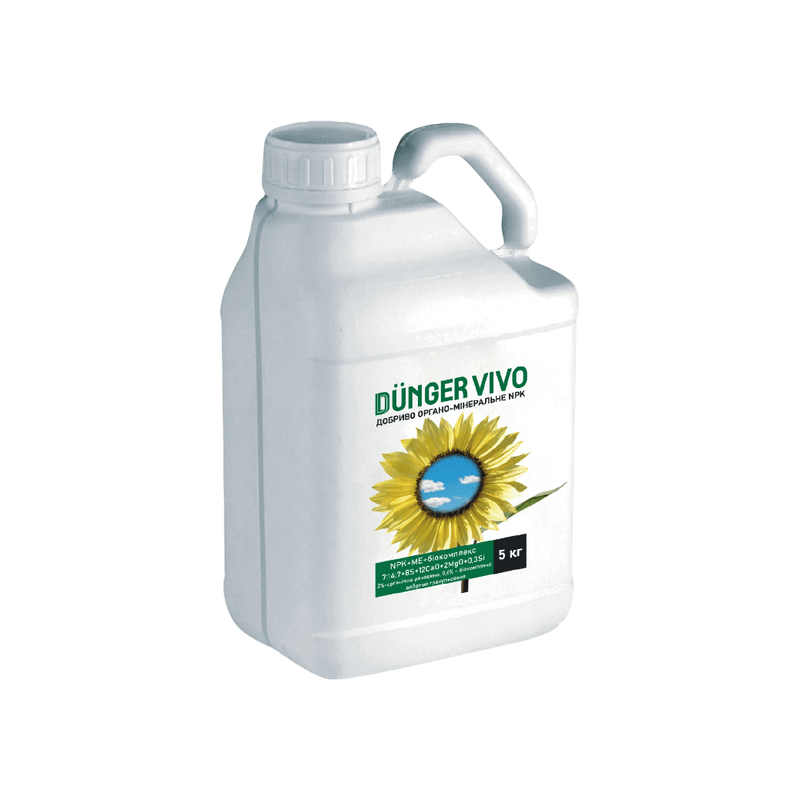
Organic-mineral fertilizer “DÜNGER VIVO” granulated
DÜNGER VIVO has a row for flowering and ornamental plants in containers. Consider it in spring at the start of active growth when this blend matches the potting mix's needs. First check whether the mix already contains fertilizer.
Before choosing the 5 kg pack, count the containers or beds where this blend is suitable and feeding is due. For pots, check the per-plant rate in the full directions.
Questions about growing campanula in a pot
The flowers may be finishing their normal cycle, and the light at home can differ from where the plant was grown. Look for fresh shoots and buds. Check light and moisture before increasing watering or adding fertilizer.
If the plant is healthy, water drains and roots have room, you can usually wait until flowering finishes. If the holes are blocked or the root ball is sitting in water, correct the drainage straight away. If you need to change the pot, handle the root ball gently.
Check whether the plant is growing and whether its mix already contains nutrients. If it needs a feed, look up the container-flower row and the amount per plant. If other containers also need the same blend, count them before you choose a pack size.


