


Panicle hydrangeas are chosen for their conspicuous flower heads and their ability to form an impressive garden shrub. A good purchase starts with more than the largest bloom in a photograph. Check the species, the cultivar's eventual size, room for its roots and access to water. When those decisions are right, care becomes clearer: you are not continually correcting a cramped position or trying to replace moisture with fertilizer.
Identify the species and cultivar first
A panicle hydrangea is different from a bigleaf hydrangea. Its conical heads may change colour as they age, with pale or greenish flowers becoming pink in particular cultivars. That is not a universal response to an acidifying product. Two labels saying hydrangea do not establish identical pruning, flower colour or winter behaviour.
Before buying, find the full cultivar name and expected height and spread. A compact plant for a small border and a large background shrub serve different purposes. Avoid buying a vigorous cultivar on the assumption that constant pruning will keep it in a very narrow space. Pruning can shape a plant, but does not replace choosing an appropriate one.
For a group, sketch the outlines of the mature crowns. Leave access for inspection and watering. Different cultivars need not flower together or remain the same height. Compare those details at the nursery and retain the labels rather than relying on memory after several similar-looking young plants have been planted.
Sun, partial shade and available moisture
Panicle hydrangea tolerates sunny positions better than some other hydrangeas. Sun tolerance does not remove its need for water. On a hot exposed site, assess how quickly the soil dries and whether watering will be practical. Morning sunshine with light shade during the hottest part of the day can provide a useful balance.
In Ukrainian gardens, borders facing the same direction can have different conditions. Soil beside a heated wall does not behave exactly like soil in an open, breezy position. Observe building shadows, check whether roof runoff is discharged onto the roots and notice any hollow where water remains after heavy rain.
A very dark position is not a guaranteed solution either. Do not hide the plant in dense shade simply because its label allows partial shade. Compare light during the day. In a developing garden, allow for the future shadow of a tree that is small now but may eventually cover the whole planting.
Soil and the planting hole
This species can grow in acidic to near-neutral soil with good drainage. Decide whether acidity needs adjustment after checking the soil, not because you want a different flower colour. Do not randomly add acids, sulphur or products intended to turn bigleaf hydrangeas blue. Establish the existing soil conditions first.
Make the hole wide enough for the root ball, with depth governed by its height. The top of the ball should finish level with the surrounding ground. Filling an unnecessarily deep hole with loose material can leave the plant vulnerable to settling. Check the level before completing the backfill.
Inspect the roots when the plant comes out of its container. Note whether the ball holds together and whether roots circle tightly along the pot wall. If its condition concerns you, ask the supplier or a horticulturist how to prepare that particular root system. Do not automatically tear the entire ball apart or pull the plant out by its young shoots.
A considered planting sequence
- Match the work to weather and soil. Spring or autumn are useful planning periods, but not with frozen, saturated or excessively dry ground.
- Check the plant's moisture. Prepare a dry root ball so it does not remain a dry pocket inside the new hole.
- Set the correct level. Check the shrub from several sides before filling the surrounding space.
- Backfill around the ball. Bring soil into contact without burying the base.
- Water. Let water reach the root zone, check settling and correct the level if necessary.
- Mulch. Leave a clear space around the stems instead of piling material tightly against them.
With a spring purchase, also consider whether the plant has been accustomed to outdoor conditions. Tender active growth deserves particular attention when late frost is forecast. The guide to planting new hydrangeas in spring explains preparation in more detail. In autumn, a suitable period before persistent cold matters more than the mere availability of a plant for sale.
Watering during the first season
A newly planted hydrangea has not yet rooted throughout all the surrounding ground. Check the original ball as well as nearby soil, particularly during hot or windy weather. A brief shower may darken the surface without wetting the required depth. Conversely, an already wet surface is not a reason to add more water automatically.
Aim for reasonably even moisture without prolonged dryness or saturation. The amount required depends on plant size, soil structure, rainfall and position. Copying litres used for a neighbour's mature shrub is not a reliable method. Water should help the roots, not create a permanent puddle around the base.
Mulch can reduce moisture loss, but you still need to inspect the ground beneath it. If using drip irrigation, check that water actually reaches the root zone rather than bypassing the original ball. Reconsider settings when the weather changes: a wet week and a sustained hot spell do not require an identical routine.
Pruning depends on the species
Panicle hydrangea flowers on the current year's new shoots. Planned pruning is therefore usually undertaken in late winter or early spring before active growth, with local weather taken into account. Do not automatically apply a bigleaf hydrangea routine, where flower buds may be retained on the previous year's stems.
Start by identifying dead or damaged parts, then assess the framework and desired form. Pruning severity depends on age, cultivar, shape and condition. A young shrub, an established specimen and a trained standard should not receive identical cuts simply because they share a species name. spring hydrangea pruning explains how to make that choice.
The largest possible flower head need not be your only goal. Stem strength, proportion and the appearance of the whole border matter too. After rain, inspect heavy panicles and branches rather than binding the shrub tightly into a bundle. Where support is needed, position it to support stems without rubbing or constricting them.
Feed according to the shrub's needs
Assess soil fertility, watering and previous feeding first. Fertilizer does not replace a suitable position or turn panicles blue. A complex with hydrangeas explicitly listed is available. Select its use according to the complete instructions, season and shrub condition; do not combine several feeding routines merely to seek a larger flower head.
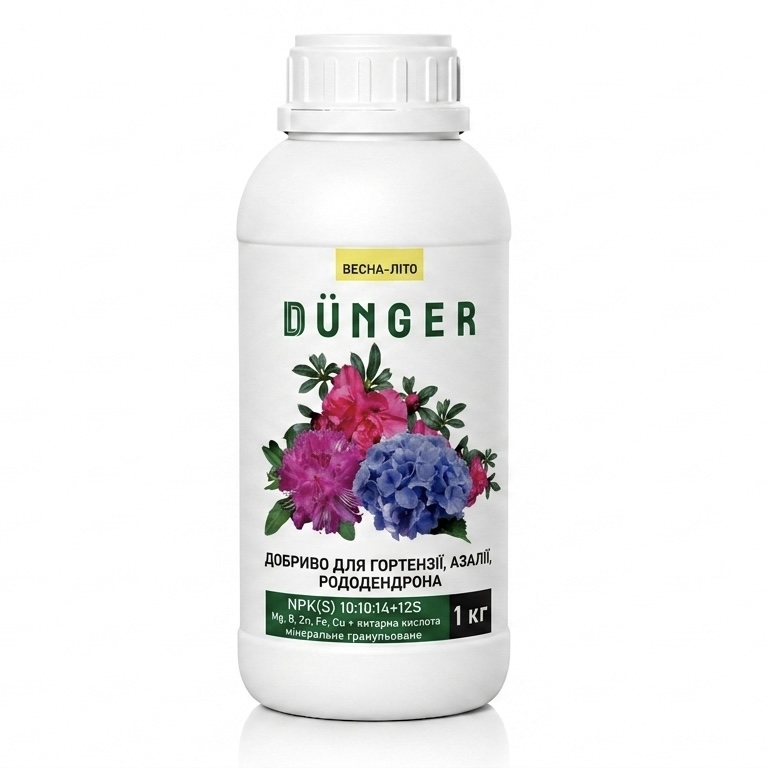
Complex fertilizer for hydrangea, rhododendron, azalea granular
DÜNGER compound granular fertilizer for hydrangeas, azaleas and rhododendrons. Choose a 0.5, 1 or 5 kg pack and review the composition and spring and summer feeding instructions.
To plan packs for a shrub group, save a supported zone and measurements, then match the calculation to the intended application in My Garden.
Flowering and seasonal expectations
Panicle development varies with cultivar, weather and the shrub's maturity. A new planting should not be judged against an established plant of another cultivar, and different flowering dates do not alone establish a feeding problem. when hydrangeas flower separates species and cultivar differences. Also review light, moisture and previous pruning.
In autumn, the natural ageing of flower heads and leaf fall do not call for stronger feeding to bring summer back. Before winter, consider the root zone and whether the cultivar is suited to the local site. Treat container growing separately: a limited volume of compost has different moisture and temperature conditions from open-ground planting.
Keep the cultivar name, photographs through the season and a record of your own actions in personal notes. Next spring you can then decide whether shape, position or watering needs adjustment. Plan a fertilizer purchase after deciding what the plant actually needs, rather than using the purchase as a substitute for that decision.
Questions about panicle hydrangeas
Do not transfer bigleaf hydrangea colour-changing methods to panicle hydrangeas. Their colour reflects cultivar and flower ageing, and acidifying the ground is not a way to obtain blue panicles.
No. This species tolerates sun better than some other hydrangeas. Balance light with adequate moisture and avoid a drying, hot position where watering is unavailable.
Not automatically. Assess its age, form and condition. Planned pruning relates to flowering on new growth, but the severity of cutting should suit the individual plant.
Wilting alone does not identify the cause. Check moisture in the root ball and surrounding soil, drainage, heat and root condition before adding more water or fertilizer.


