


Before pruning a hydrangea in spring, check its buds and identify which kind it is. Panicle and smooth hydrangeas form flower buds on growth from the current season. An established shrub can be thinned and shaped before active growth. Many bigleaf hydrangeas carry future flowers on stems that have survived the winter. Cutting those stems back hard in spring can remove the flower buds. When you do not know what kind of hydrangea you have, keep living stems and start with growth that is clearly broken or dead.
Which stems will produce the flowers?
Panicle and smooth hydrangeas
Panicle hydrangeas often have elongated cone-shaped flower clusters. Smooth hydrangeas usually have rounded flower heads. Both species can form flower buds on new shoots. Start with broken, dead or rubbing growth. Then consider how much space the mature shrub has. On a panicle hydrangea, choose the strong stems that will form the framework. On a smooth hydrangea, there is no need to cut to the ground simply because it can bloom following a hard prune.
Let a young shrub develop a framework. If it was recently moved or is recovering slowly from winter, keep work to necessary cuts. On a mature shrub start with branches that crowd or rub against one another. Then decide whether individual healthy shoots need shortening. The plant may already have the shape you want after thinning, without further cuts.
Bigleaf, mountain and oakleaf hydrangeas
On ordinary bigleaf cultivars the future flower buds can be on the previous year's branches. Mountain and oakleaf hydrangeas also commonly bloom on old growth. Keep living stems with their upper buds. If a species flowers on old wood, shaping is best done after flowering before the next set of buds develops. In spring, prioritize removing damaged growth and taking off old flower heads without removing the healthy buds below them.
Some bigleaf and mountain hydrangeas can rebloom on new growth. A hard spring prune still makes a difference because the first flush may rely on stems that overwintered. If you have lost the name of the cultivar, preserve live stems. In summer, note where flowering shoots emerge and take a picture. Flower color or the size of a head on its own cannot tell you which pruning method to use.
Which cuts come first?
- Look at the entire shrub. Where do strong stems come from? Are any in the path or rubbing? Decide which branches are worth keeping before you pick up the pruners.
- Remove clear damage. Start with broken stems and completely dead sections. If a tip is doubtful but has living buds lower down, avoid taking the entire branch to the ground in one cut.
- Check the position of each cut. Use a clean sharp tool. If removing a spent flower head, locate the healthy buds below it and leave them intact. Shape according to the species instead of using a single height line.
- Step back before you take more. Look at the whole plant again. Once it has the shape and space it needs, leave the remaining growth alone.
Some of the same questions come up in autumn, but you are making decisions about stems and buds at a different stage. See the guide to pruning hydrangeas before winter for those decisions. If there were no flowers last year, check past pruning as well as other reasons a hydrangea may not bloom. Buds can be affected by frost, and the amount of light can also affect flowering.
Late frost and conditions around the roots
Spring can arrive at different times for two shrubs in the same Ukrainian garden. A wall facing south warms early, while a low spot can stay cold for longer. If a thaw is followed by frost, some upper buds may fail to develop. That does not tell you whether the whole branch is dead. Hold off on strong cuts to doubtful stems until living growth is clearer. Do not make one week the universal pruning time for southern Ukraine, Polissia and the foothills.
After pruning, check moisture and drainage separately. Soil dried by wind and heavy soil that stays wet call for different action. If water collects around the roots, adding more will worsen those conditions. If the growing site is a concern, look at the guide to soil for hydrangeas and check how the root zone actually wets. Using your pruners does not create an urgent feeding requirement.
Two shrubs next to one another may need different decisions
Imagine one hydrangea growing beside a terrace and another on the exposed side of the garden. If buds have opened by the terrace but the other shrub has yet to show which stems are alive, do not use the first shrub as a calendar for the second. Label each by location, check the cultivar name and note where the first leaves emerge. A few inspections give you more information than a cut made in response to a single warm afternoon. If you need to clear a path, remove just the clearly obstructing growth you have identified rather than changing the whole shape.
When you have only a few minutes, take pictures of the stem tips and the full shrub from the same side. The first picture helps you compare the buds and the second helps you see whether the structure changes. That small record is particularly helpful when one person looks after the shrub and another prunes it. Agree which living framework branches to keep and mark them before you start.
Handle an overgrown established shrub separately
Decide which branches actually cause the problem. An old branch can be alive and well placed, while a young shoot crossing the center can rub against its neighbors. Look at its position as well as its age. On a mature panicle hydrangea, assess the strength and placement of the remaining framework after the obstructing growth is removed. On a bigleaf shrub that flowers on old wood, major renewal can cost the flowers from stems you have to remove. Treat spring damage removal and later shaping as two different tasks if keeping flowers matters most.
Before you put the pruners away
Collect the cut material and look at the remaining growth from the path. Check for split ends or accidental damage to adjacent buds. If you have several shrubs, avoid a final cut solely to put them all at the same height. Label each shrub as you identify it. Next season you will have a clearer basis for deciding where and when to cut.
Feeding after the shrub resumes active growth
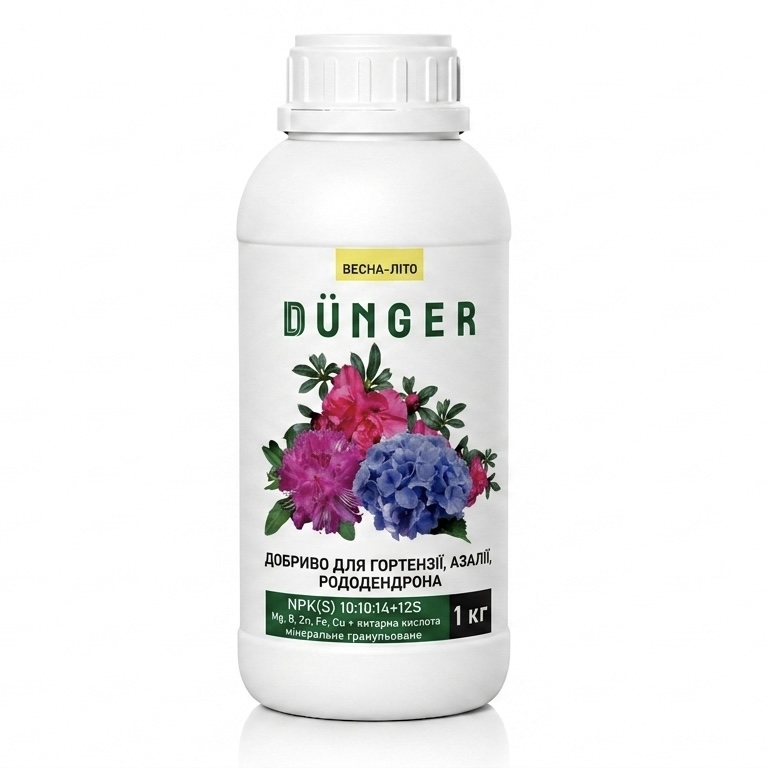
Complex fertilizer for hydrangea, rhododendron, azalea granular
Once you have checked the shrub and its site, and identified a need for feeding, compare this granular hydrangea product with the work you plan. Consider the type, age, current condition and stage covered by the directions. If you delayed pruning because bud survival was uncertain, adding fertilizer does not replace that inspection. Pruning and feeding have different purposes.
Compare pack sizes of 0.5, 1 and 5 kg on the product page. Count the shrubs and read the full directions before deciding what to buy. If the soil is very wet, check drainage first. If foliage yellows or shoots wilt, investigate the cause before changing the feeding plan.
Frequently asked questions
Group them by the stems that produce flowers. Spring shaping suits panicle and smooth hydrangeas. Many bigleaf hydrangeas need their previous season's stems and buds left in place. If you do not know the species, start only with damage you can identify.
Remove it if you wish, after checking where the healthy buds below it are. On bigleaf hydrangea, avoid cutting far down the branch simply to match the height of the neighboring stems.
Check whether the whole branch was affected. Upper buds can be damaged while living growth remains lower down. If you cannot see the boundary yet, let the buds develop so you can tell what really needs to be removed.
That depends on the plant's condition, the soil and the stage covered by the product. Fertilizer cannot restore the buds that were cut off. Check moisture and whether feeding is needed before choosing a product and reading the directions.


