


Sort garlic cloves before deciding whether to treat them. For an ordinary planting in a home garden, start with firm, sound cloves from healthy bulbs of known origin. Keep the papery skin on each clove and protect its flat base. Set aside any clove that is soft, mouldy or rotting. A soak does not turn damaged planting stock into healthy stock, and it cannot correct a bed with a history of a garlic disease.
Find out where the bulbs were grown
Garden garlic is generally propagated from cloves. Along with the variety's traits, planting material can carry disease from the parent plant to a new bed. Ask a seller for the variety or type, where the bulbs were grown, and what is known about the health of the crop. It is easier to assess a clearly labelled batch than a mixture of loose cloves with no information about their parent bulbs or field.
If you are saving your own garlic, start selecting it at harvest and sorting time. Label bulbs from different beds and keep them separate. If plants in one bed yellowed early, grew poorly or produced distorted bulbs, do not mix that harvest into your planting stock. A sound-looking clove does not prove the whole batch is free from pathogens. When the source is uncertain, look for a traceable replacement before committing a clean bed.
Separate the cloves without damaging them
Break the bulbs apart shortly before planting. Use your fingers and take care not to crack the flat basal plate, where roots will develop. The dry outer wraps around the whole bulb may come away as you separate the cloves. Keep each clove's own papery skin in place. If a clove is reluctant to come free, do not pry into the base with a sharp blade. Separate cloves over a clean, dry tray rather than on a soil-covered tool or work surface.
Look at the base, sides and tip of every clove. Select firm, well-formed cloves. Compare size within a variety because a naturally small clove of a different variety is not by itself a symptom. Leave out any clove with soft or crumbly tissue, visible mould, a wet spot or a decaying base. Do not trim away a suspicious patch and plant the rest. Some decay starts in the base and progresses into tissue that is difficult to assess from the outside.
Is soaking worth doing before planting?
If the stock is sound and the bed has no known problem, there is no need to add a routine soak simply because a recipe recommends it. Clean stock, careful handling and suitable soil are the first decisions. Plain water, salt or baking soda will not establish whether a pathogen is present inside the clove. Trying to rescue a bulb that already has rot is especially poor grounds for treating a batch and then moving it into a clean bed.
Hot-water treatment under certain professional protocols needs precise temperature control. Water that is too hot can damage the planting stock, and treatment cannot guarantee complete removal of a pathogen. If there is a known problem, confirm the diagnosis and obtain advice for the specific lot before considering a treatment. If a plant-protection product is recommended, check the current Ukrainian label for the crop and the exact use. A foreign recipe for onions or a commercial field is not a home garlic instruction.
Recognize a possible batch problem
Fusarium basal rot often begins at the base. In white rot, affected bulbs may carry white fungal growth with small dark structures. Stem and bulb nematode can also produce distorted or shrivelled bulbs. These are clues for deciding what to photograph or show a diagnostic specialist. A stain or the colour of a clove skin does not establish a diagnosis. Several problems can look alike, and apparently sound material can sometimes carry infection.
If a bag contains several bulbs with similar rot, isolate the batch from planting stock. Keep the supplier or bed information and take pictures of the intact bulb and basal plate. Ask the diagnostic service how it wants a sample before sending it. Do not move soil or bulb waste from a suspect bed into a clean one. Remove clinging soil from tools before using them elsewhere. White rot can persist long enough that crop rotation alone does not establish that the soil is clean.
Prepare a Ukrainian garden bed around local conditions
Plant with the basal plate down. Choose a place where water does not collect after rain or thaw. Delay work if a furrow fills with water or the soil adheres to tools as a heavy paste. In a wet garden hollow in western or northern Ukraine, drainage may control when the bed is usable. On an exposed plot in the drier steppe, check for moisture at planting depth rather than assuming a brief shower has wetted the whole planting layer.
For a winter garlic variety, consider cooling soil, the immediate frost forecast and time for roots to establish. With a spring variety, choose material meant for spring planting and wait until the bed can be worked. Two beds in the same village can be ready on different days because of their slope, exposure and drainage. Use the local forecast alongside the guide to planting winter garlic when deciding when to prepare the cloves.
Keep feeding separate from planting-stock hygiene
Use fertilizer in soil or on plants as stated in its feeding instructions. It does not disinfect garlic cloves. Before buying it, check what was applied to the previous crop and test the soil when practical. Separate assessments are worthwhile if one end of the garden has received compost repeatedly and the other has not. Planting identical stock does not imply identical nutrient requirements in two different beds. Decide on a soil application separately from the choice and handling of cloves.
A fertilizer option after checking the bed
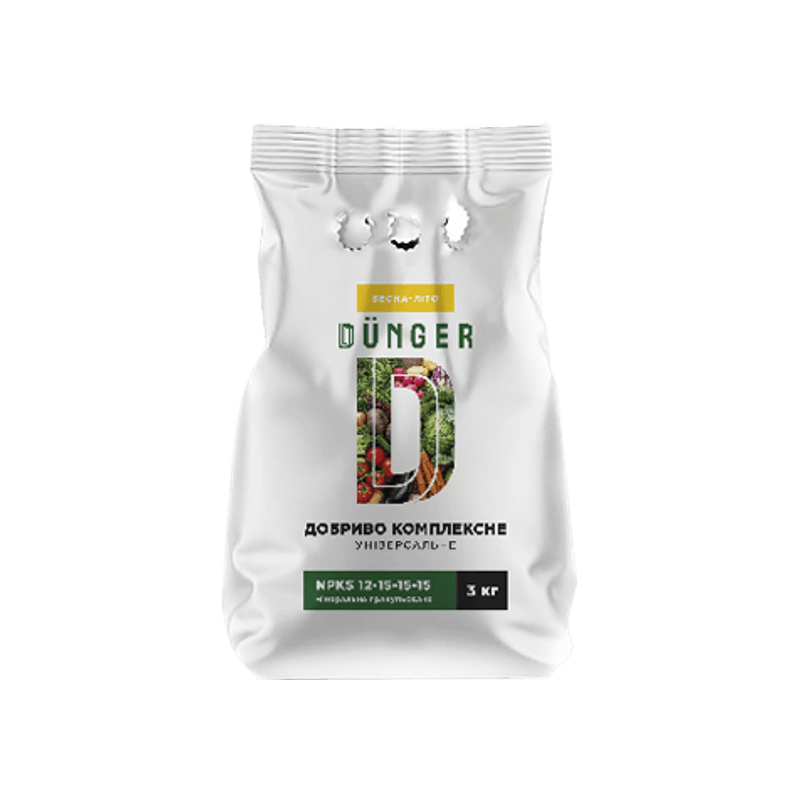
Complex fertilizer universal granular
If a soil assessment and previous inputs point to a need for feeding, consider these universal granules under the vegetable crop group. The approved instructions have a separate rate row for vegetables, legumes and leafy greens. It is a group rate for soil, not a clove-specific dose or a soaking recipe.
Read the application method on the product page and select the package size after measuring the part of the bed being planted. Exclude paths and unplanted strips. If you manage several beds with different histories, assess those zones separately before adding the quantities together. This lets you compare the real requirement with the weight of a pack rather than adjusting the amount used to fit the pack.
Vegetable, legumes and greens
20-40 gr/m²
Leave unopened bulbs whole if planting must wait
If the bed is not ready, keep the remaining garlic as whole dry bulbs and separate them when you are close to planting. Do not store damp material in a closed bag with sound dry bulbs. Keep the label identifying the source or variety. Recheck the batch immediately before taking it to the garden, because some damage becomes apparent in storage. Preparing only what fits the row you are working on also reduces confusion between varieties and suppliers.
Use the row labels after emergence
If weak plants appear only at the lower end of the bed after repeated rain, check moisture and the root zone. If similar damage appears in different places among plants from one batch, keep the source in mind. Neither pattern is a diagnosis, but knowing which cloves went where makes it easier to explain the problem before choosing a response. Record the location and photograph the base of an affected plant for advice.
Frequently asked questions
A bulb sold for cooking often comes with little information about its variety, growing conditions or the health of the parent crop. Planting stock of known origin makes it easier to choose a suitable type and trace a problem if it appears. Keep separate labels if you plant more than one source.
The papery skin protects the clove. Check the exposed surface and the base, and prefer intact cloves for the main planting. A broken base, soft tissue or a sign of decay is a stronger reason for rejecting a clove than loose outer skin alone.
Keep the suspicious bulb out of the planting lot. An outwardly sound clove cannot be reliably cleared by sight if the parent bulb already shows rot. If the issue repeats in several bulbs from a batch, seek a diagnosis before transferring the stock to another bed.
Use each fertilizer only as specified in the product instructions. A method for applying it to soil does not authorize a clove soak. Choose planting material on the basis of health and suitability, then plan the feeding of the bed as a separate task.


