


Keep a flowering potted chrysanthemum in a bright, cool place. Feel the surface of the growing mix and water when it has begun to dry. Take the nursery pot out of its decorative cover before watering so that the runoff can escape through the holes. This routine is for a mum bought with flowers and buds already on it. Once the display has finished, decide separately whether you want to grow the plant on.
What to look for when buying a flowering mum
If you want to watch flowers open at home, choose a plant with some colour showing and other heads still in bud. Look into the canopy as well. From a distance the flowers dominate, but the condition of the leaves and lower stems gives you more information about the plant. Check for an inner pot with drainage holes under the wrapping. If you plan to take it out each time you water, make sure you can lift it without pulling on the stems.
Ask whether the plant was sold as seasonal decoration or as a named garden variety with known cold tolerance. A round mound of flowers does not identify winter hardiness. If you hope to plant it outdoors later, find out the cultivar name and whether it is recommended for your local conditions. For the distinct case of a garden plant, see caring for outdoor multiflora chrysanthemums.
On a cold journey home, protect the flowers with a paper sleeve and keep exposure brief. Avoid leaving the pot in a cold parked car between errands. Unwrap the pot at home and see whether water can escape through the holes. If the medium is still moist from the shop, settle it into its new location and check again later. A journey by itself does not tell you whether the plant needs water.
Choose a bright position with stable conditions
Look for bright, indirect light without excessive heat. In a Ukrainian flat, a window above a radiator and a shelf right against cold glass can create very different conditions. Set the pot where leaves and flowers will not press against the glass and hot air does not flow directly through the canopy. Move it away from a strong cold draft while airing the room.
If the options are the windowsill and a table farther inside the room, compare how much light each receives on an overcast day. A dark corner may look attractive for a short display but can leave the unopened buds with too little light. A table near a bright window may work better if the glass is cold or the sill overheats. Check conditions in the morning and evening. They can shift when the heating comes on or when a window stays open.
On a glazed balcony, consider night temperature and daytime sun as separate checks. If frost is expected or the pot is exposed to cold moving air, bring it into a protected room. A sheltered loggia and an exposed balcony call for different levels of attention even for the same plant. Choose its place by the actual conditions in your home.
Water the mix under the leaves
- Part the lower leaves and touch the mix near the rim. Check in several places. If the surface is still moist, inspect it again later.
- When the surface begins to dry, remove the nursery pot from its cover. Water it over the sink, directing the water onto the mix so it can spread around the stems.
- Let the excess run out through the bottom. Empty the saucer or cover before returning the pot.
- Notice how much the container weighs after it drains. This gives another clue the next time it is hard to see the mix under the dense canopy.
If water immediately runs down the side and the centre remains dry, pour more slowly in several passes, giving it time to soak in. Check whether the pot becomes heavier and water can exit from the bottom. If a puddle collects in the saucer later, empty it again. The water in a decorative cover can make it hard to judge how much moisture has reached the root ball.
Keep pots separate in a mixed display
If a basket holds a mum and several other plants, leave them in separate inner pots. Lift each pot and check its drainage. Water the individual pots over a sink and return them after draining. The small flowering mum may need water while the larger pot beside it is still moist. Before a trip, show the person caring for the display how to reach the surface under the leaves and how to empty the cover. If the heating setting will change while you are away, arrange an extra check.
Find out why flowers are fading
Look at which heads have changed. If the oldest open flowers are gradually fading while younger ones continue to open and leaves remain firm, remove the spent heads and carry on with routine care. Work gently so that you leave nearby buds in place. Taking off faded heads keeps the display tidy and gives you a better view of the rest of the plant.
If flowers and leaves wilt together, check the mix, drainage and room conditions. If it started after a move closer to a radiator or onto a cold balcony, return the pot to a more stable place. Observe the response to one correction before changing something else. Moving the pot, changing the watering and adding fertilizer at once can obscure what caused the problem.
Check leaf axils and young buds after bringing the plant home, while it is still away from other pots. If you see clusters of insects or a sticky deposit, give the plant some space and find out what is present. If it wilts without obvious pests, start with the moisture around the roots and the temperature. Fertilizer will not clear blocked holes or reverse cold injury.
Decide what to do after the display
If you want to keep the plant, consider its health and the conditions you can offer it. Chrysanthemum buds are initiated in response to long, uninterrupted nights. Evening lighting can interfere with bud initiation. It is difficult to reproduce the conditions of a commercial greenhouse in a living room where lights go on every evening. If the plant is healthy and you want to try growing it on, look for new shoots and keep it somewhere you can monitor light and moisture.
Repot after flowering if the condition of the pot and plant calls for it. Check for live growth and make sure the medium and drainage are adequate. If several separate plants actually share one pot, you can assess whether to divide them once the display is over. While a healthy plant is still in flower in a freely draining nursery pot, removing the cover before watering is usually enough.
If your aim is a perennial bed, choose a garden cultivar suited to your local winter. A gift plant that tolerated a few cool balcony days has not shown that it can survive freezing in a pot. When caring for a mixed indoor display, consult the separate guide to begonia care and check each pot according to its own needs.
Granules for established chrysanthemums in a garden bed
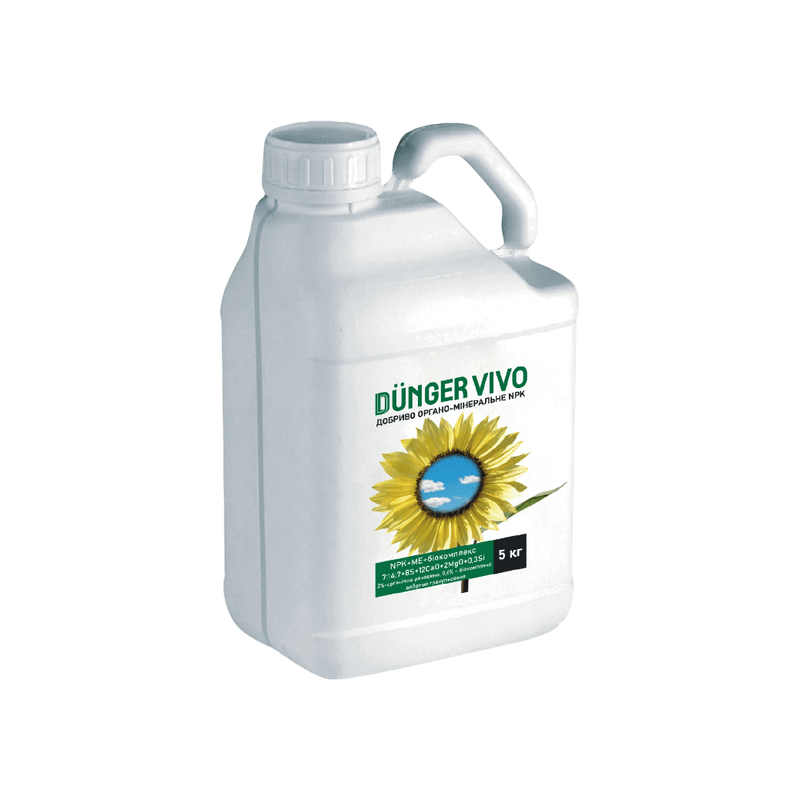
Organic-mineral fertilizer “DÜNGER VIVO” granulated
If you already have established garden chrysanthemums in a separate outdoor bed, consider this product if that planting needs its nutrients. Check soil conditions and the start of active growth. The row below applies to that separate bed.
The granules come in a 5 kg pack. For the chosen application, calculate by the bed area or by the number of plants as directed.
Frequently asked questions
A daily check helps in a warm spot. Water when the surface of the growing mix starts to dry. In a cool room it may take longer to reach that point.
If it is healthy and the pot drains freely, keep it in that pot during flowering. Remove its decorative cover for watering and return the pot after the excess has drained.
Check its intended use and cultivar. Keep a flowering gift plant without confirmed hardiness in a frost-free place.
Separate the spent head with your fingers so you can see the buds next to it. Remove only the faded part, leaving the sound buds and leaves on the plant.


