


You can grow onions beside garlic when both crops have enough space, sunlight and access for care. The arrangement does not protect them from disease or replace crop rotation. They are close relatives with some shared problems. The useful question is whether you can water, inspect and harvest each crop separately when their needs diverge.
In a small vegetable garden, neighbouring strips are often easier to manage than alternating every onion with a garlic clove. Clear boundaries help when one crop is approaching harvest while the other is still growing. Before filling a spare gap, consider how the whole bed will work later in the season.
Check the site before combining the crops
If these questions have clear answers, neighbouring strips are a reasonable layout to consider. If water collects in the bed, or plants with rotten bulb bases died there previously, investigate first. Swapping the onion and garlic positions within that bed neither changes the crop family nor makes contaminated soil healthy.
Neighbouring crops are not the same as rotation
Neighbouring describes this season's arrangement. Rotation considers what grew there before and what follows the harvest. Onions after garlic, or garlic after onions, keep related crops in the same soil. Treating them as different names on a planting list misses this important connection.
On a paper garden plan, mark both strips as part of the allium group and record their varieties separately. When planning next season, the space released by garlic is not automatically the right place for more onions. The guide to what to plant in a bed after onions considers that next decision.
Rotation can help manage some recurring problems, but a short break does not remove every pathogen. With confirmed white rot, the fungus can persist in soil for many years. A normal short rotation is not a solution to that specific disease. Seek a diagnosis and a suitable management plan instead of simply changing the order of the rows.
Use distinct strips and plan access
Separate strips are easier to label, weed and inspect. Leave access from the side or a working path so that you do not have to step among the plants. Choose spacing for the particular variety, planting material and intended harvest. There is no special onion-to-garlic distance that guarantees healthy crops.
Young plants can make a bed look emptier than it will become. Avoid inserting extra cloves simply because a gap is visible between small onion leaves. Space must remain for developing bulbs and for the tools used to lift them. Closely alternating the crops makes it harder to harvest one without disturbing its neighbour.
Onions for green leaves and onions for storage also need different planning. Green onions are harvested young; storage onions need room throughout bulb development. If you intend to remove some plants early, mark those plants or that strip from the start. An unspecified promise to thin later can leave the bed crowded when you most need access.
Do not force both crops into one planting date
Autumn-planted garlic and spring-planted onions can share neighbouring ground without being planted together. Preparing the onion strip later should not damage established garlic roots. Plan access before planting the garlic, rather than discovering that you must cross its rows with tools. Read the separate guide on choosing a planting time for winter garlic for that seasonal decision.
In Ukrainian gardens, local soil and weather matter more than copying a date from another area. A cool, wet site may remain unworkable while an exposed bed is already losing moisture. Check your own soil and use planting material suited to the intended season. A variety offered for spring planting should not automatically be treated as an overwintering crop.
Onion sets, seed and transplants also involve different starting conditions. Decide which you are buying before reserving the strip. The guide to planting onions in spring explains those options. The presence of established garlic does not tell you whether onion transplants are ready or whether their variety suits your location.
Separate watering becomes useful near harvest
Both crops need well-drained soil, which does not mean keeping the bed permanently dry. While plants are growing, inspect moisture in the root zone rather than judging only the surface colour. After rain, check low spots where water gathers; after drying wind, compare the exposed edge with the middle.
As a crop approaches harvest, watering requirements change. A sprinkler covering the entire bed may keep wetting garlic that is nearing lifting while later onions still need care. Distinct strips make targeted watering easier. If your irrigation cannot separate them, different beds may be more practical than a tightly mixed arrangement.
Before lifting, identify the strip to harvest first and clear a place for the crop. Position the fork or other tool away from the neighbouring roots. Do not pull bulbs forcefully from compact soil. Assess maturity for each crop rather than harvesting everything because half the bed looks ready.
Yellow leaves need investigation, not a new neighbour
Do not immediately assume that onions are suppressing garlic, or the reverse. Notice where the symptoms occur: throughout a strip, in a wet corner, or in scattered patches. Examine soil moisture, roots, bulb bases and any visible damage. Yellowing alone does not confirm a nutrient shortage or identify a particular infection.
White fluffy growth at the bulb base, decaying roots and tiny black structures justify checking for white rot. Avoid carrying soil from a suspect area to clean beds on tools or footwear. Show affected material to a qualified plant specialist. A random treatment or additional fertilizer cannot replace identifying the cause.
Garlic's smell is not a guarantee of protection for the onions. Inspect both strips regularly. A useful routine is to compare the boundary, the outer edge and the centre, rather than repeatedly looking only at the plant nearest the path. Note whether the problem affects one crop or both before deciding what to change.
Feed the planted area without counting it twice
Base fertilizer decisions on soil conditions, previous additions and growth stage. Two crops in one bed do not mean the same area should receive two full applications. Account for compost and mineral fertilizer already used. Where the nutrient situation is unclear, a soil test can help guide the choice.
Measure the onion and garlic strips separately for your purchase plan, keeping the path out of both totals. Mark onions grown only for leaves as a separate area if their management differs. This makes it easier to match quantities and application methods. Fertilizer supplies nutrients; it does not disinfect a bed or compensate for insufficient space.
Fertilizer for the vegetable bed
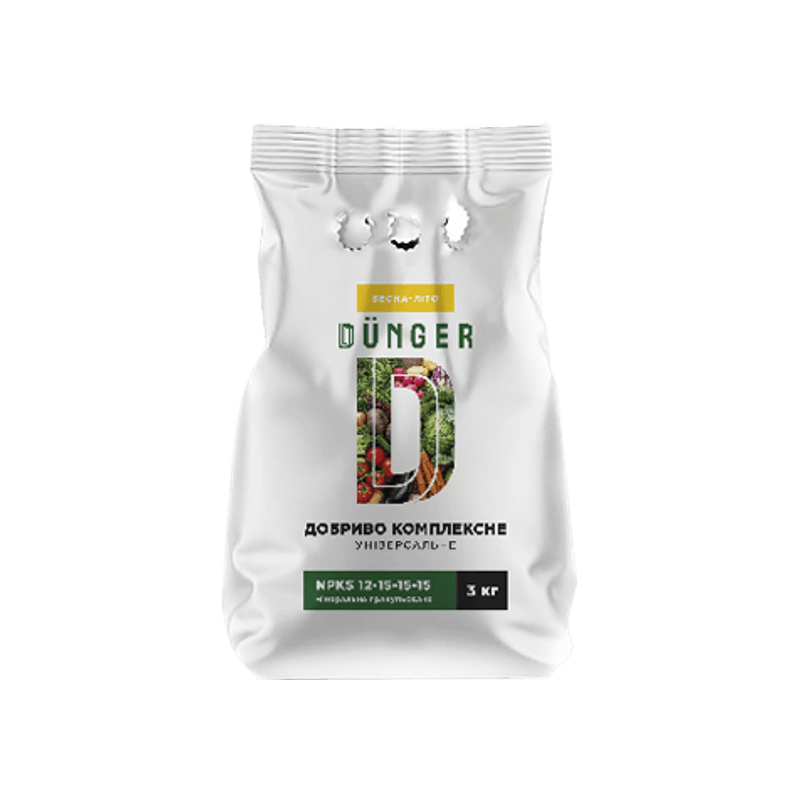
Complex fertilizer universal granular
This universal granular fertilizer is an option under its vegetable crop group. The row below applies to that group; it is not a separate recipe for mixed onion and garlic planting. Read the complete application method on the product page before use.
Compare the 3, 4 and 5 kg packs for your planted area, checking current price and availability on the product page. Create separate onion and garlic zones in My Garden, enter their measurements and choose packs for the calculated requirement.
Frequently asked questions
Neighbouring garlic is not, by itself, a reason to move them. First check space, light, plant condition and access for separate watering. If the planting is healthy and uncrowded, concentrate on appropriate care and next season's rotation.
No such protection is guaranteed. Both crops can suffer from white rot and other allium problems. Healthy planting material, clean tools and examination of suspicious plants matter more than relying on the smell of garlic.
Consider this only where there is enough light, space and access to harvest without disturbing garlic. Decide which onions will be taken young. Do not leave an extra crowded row to develop into large storage bulbs.
Yes, where its instructions cover the relevant vegetable group and the method suits the plants' condition. Calculate each strip separately and consider earlier feeding before buying. Using one product does not mean both crops always need it on the same day.


