


Sow beans outdoors after the risk of returning frosts has passed and the bed itself has warmed, rather than relying on warm afternoon air. For common beans, soil at about 16 °C or above is a practical starting guide when moisture is suitable. It is not a guarantee of emergence: cold nights, waterlogging and seed quality also matter. In a Ukrainian garden, choose the moment by checking your own bed and the local forecast.
First identify the beans
This guide concerns common beans, Phaseolus vulgaris, grown for tender pods, immature shelled beans or dry seed. Bush and climbing types have different growth habits, but both need warmth. A packet describing a bean as suitable for eating young pods does not, by itself, specify a separate sowing season.
Do not confuse common beans with broad beans or yard-long beans. Their tolerance of cold and growing-season requirements differ. If someone gives you unlabelled seed, establish the species and growth habit first. Otherwise you could prepare a short row for a plant that needs tall supports, or expect an early harvest from a long-season variety.
Choose the moment for your own bed
One warm weekend does not make sowing safe. Soil can cool again after a sunny day, while a shaded part of the garden remains cold. An exposed raised bed and a low patch beside a fence may not be ready together. Assess the place where the seed will lie, rather than the temperature on a sheltered windowsill.
Use a soil thermometer in representative parts of the bed, following its instructions. Repeat measurements over several days at a similar time. This helps distinguish sustained warming from a brief peak. If the bed is still cold or a sharp temperature fall is forecast, postpone the main sowing.
In Ukraine, the calendar month helps organise preparation but cannot decide for every garden. Elevation, shade, soil and that particular spring's weather all affect the decision. A neighbour's previous sowing date is useful context, not a promise. If you are planning several warm-season crops, also check the separate guide to sowing cucumbers and planting their seedlings. Readiness for one crop does not establish readiness for another.
Prepare a workable seedbed
Choose a sunny position where surplus water can drain away. After rain, wait until sticky soil becomes workable and a clod crumbles readily. Remove weeds and large clods along the sowing row. Seeds need contact with moist soil, while young shoots need a surface they can emerge through without a hard crust.
Consider previous disease problems and rotate the bean planting to a different location. If water stands for a long time after rain, address drainage or choose another bed first. Adding fertilizer cannot supply missing air in waterlogged soil. Sowing extra seed into the same cold, saturated patch is not a dependable solution.
Allow access for weeding, watering and picking. This is particularly useful beside a fence, where one side of climbing plants may otherwise be difficult to reach. Plan for the space occupied by mature foliage, not just the narrow row visible on sowing day.
Bush beans and climbing beans need different layouts
Bush beans generally grow without tall trellises. Climbers need a stable support installed before or at sowing, so you will not have to drive stakes through established roots later. Check both stability and access: upper pods should remain within safe picking reach.
Follow the variety's packet for spacing. Resist filling every visible gap simply because the seeds look far apart in an empty bed. Mature plants need more room. Label each variety separately when growing several kinds, so differences in growth and picking stage do not become confusing.
Sowing and the first days of care
- Check the forecast, soil warmth and moisture immediately before starting.
- Prepare the row and supports. Set aside visibly damaged or mouldy seed.
- Sow at the packet's recommended depth for the soil conditions. Do not bury seed much deeper merely to reach moisture.
- Cover with crumbly soil, mark the row and water gently if needed.
- Check moisture below the surface afterwards. Keep the row moist without making it a permanently wet trench.
Consistent access to moisture matters more than watering every day by habit. After rain, inspect the bed first. When the surface dries, check below it before deciding what to do. Light and heavy soils hold water differently, so they do not necessarily need identical watering.
What uneven emergence tells you
Do not rush to feed an apparently empty row. Carefully inspect a few seed positions without disturbing the entire planting. Soft rotting seed, dry soil and a damaged emerging shoot point to different problems. Fertilizer cannot restore rotten seed or replace missing moisture.
Correct the cause before resowing. If the soil remains cold and wet, another batch sown immediately may fail in the same way. If it dried out, improve moisture management. Where damage is visible, inspect the plants and surrounding soil more closely instead of choosing a crop-protection product solely because seedlings are missing.
Feeding after plants establish
Beans are legumes and can associate with nitrogen-fixing bacteria under suitable conditions. Extra nitrogen is therefore not an automatic requirement after watering. Excess can encourage leafy growth and delay flowering. Assess the soil, previous inputs and plant development, using a soil test where practical, before deciding whether additional feeding is needed.
A fertilizer option for later vegetable care
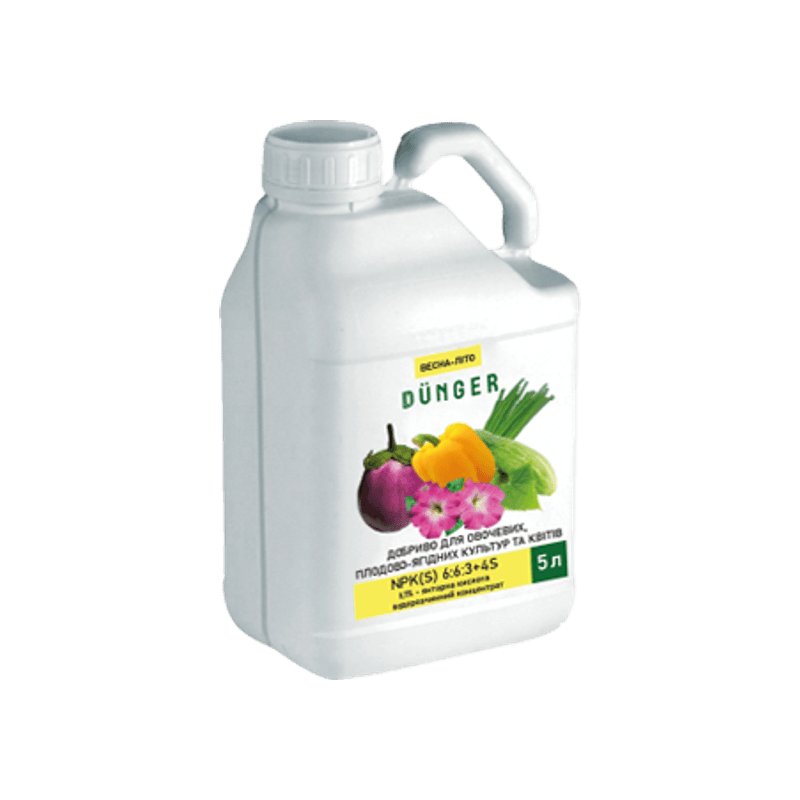
Complex fertilizer for vegetables, fruit and berry crops, and flowers
For established plants that need feeding, this product is available in a 5 L canister. Its instruction row for “Vegetables of all types, fruit and berry crops, flowers (root feeding)” states: 50 ml/10 L of water (100 ml of solution /plant). This is the stated group's root-feeding rate, not a seed-soaking recipe or a treatment for a newly sown row.
The product has separate seedling rates. Before use, match the plant stage and application method with the full vegetable fertilizer instructions. In My Garden, prepare growing zones and measurements to help plan product quantities and pack sizes. Begin with what the bed actually needs.
Should you make a second sowing?
Several sowings of bush varieties with a concentrated harvest can spread picking over time. Assess each later batch against the variety's maturity period, available water and the remaining warm season. Climbing beans often crop for longer, so they do not necessarily need the same succession plan.
Beans intended for dry seed must progress beyond forming pods to ripening them. A late sowing for tender pods and a late sowing for dry beans are different decisions. Keep the packet so you can check the intended use and approximate growing period before filling your last available bed.
Frequently asked questions
No. Common beans require warmer conditions than peas. Check the soil and frost risk specifically for beans. An earlier planting of a cold-tolerant crop does not prove that conditions suit every vegetable.
First check whether the warming is sustained. If the forecast is uncertain and the bed is cold, keep the seed for better conditions. Early sowing in unsuitable soil does not guarantee an early harvest.
First investigate cold, waterlogging, drying or the condition of the seed. Fertilizer does not replace suitable germination conditions. Plan feeding for the appropriate plant stage only when needed and according to the product instructions.


