


For green onions grown from seed, first choose the crop that suits your intended harvest. Bunching onion is grown for its leaves and pseudostem, while a bulbing onion can be harvested young, before a large bulb develops. Neither starts in the same way as forcing leaves from an established onion bulb. Seeds need conditions for germination; small seedlings then need light, even moisture and space free from competing weeds.
Which seeds should you buy?
Check the species, cultivar's purpose and harvesting method on the packet. “For greens” describes the purpose of growing the crop, but it does not make all onions identical. Bunching onion, bulb onion, shallot and walking onion have different characteristics. Walking onions, for example, are normally started from aerial bulbs rather than using the seed-sowing method described for bunching onions.
If you plan to grow shallots from planting bulbs, consult the separate guide to when and how to plant shallots. With seed-grown greens, cultivar suitability, even emergence and a clear harvesting plan matter. Do not select solely by an impressive leaf height or a number of days: the bed's conditions and your chosen harvest stage also affect the result.
Seed freshness and leftovers
Check the use-by date, batch information and storage conditions. Germination depends on more than the printed date: moisture and warmth during storage can reduce quality. Testing a small sample of old seed can help you decide whether to allocate the planned bed to it. Poor emergence should not immediately be interpreted as a shortage of fertilizer.
When to begin in a Ukrainian garden
For spring sowing, use soil readiness rather than a single date. The bed needs to be workable enough to create a fine seedbed, without standing water or sticky wet clods. A warm slope and a cold shaded bed will not become ready together. The distinction between sets, seeds and bed conditions is covered in the guide to planting onions in spring.
Module sowing can start the crop while outdoor soil remains cold and wet, but requires a well-lit place and seedling care. It is not a way to grow sturdy greens in a dark, warm room. Assess later sowings against cultivar suitability and the time available for development before cold weather. Some cultivars can overwinter; that does not make every packet suitable for autumn sowing across Ukraine.
Prepare a level, weed-free bed
Choose a sunny position with well-drained soil. Remove perennial weeds before sowing because small onions initially compete poorly with them. Break up large clods and level the surface so the seeds do not end up at very different depths. Do not cover the sowing with fresh manure. If adding mature compost, account for its nutrient contribution rather than automatically layering several fertilizers on top.
Assess feeding requirements from soil condition and testing, particularly in a previously well-fertilized bed. The guide to assessing garden soil before selecting fertilizer helps with that preparation. In containers, use suitable sowing or potting media and provide drainage. Garden soil that compacts into a dense lump does not become suitable simply because it has been transferred into a box.
Sow without unnecessary crowding
- Mark short rows. Leave access for weeding and separate later batches so their ages remain clear.
- Prepare a moist seedbed. Water dry soil before placing seeds, without turning the drill into a puddle.
- Distribute seeds evenly. Follow packet depth advice; salad onions are shallow-sown, commonly around one centimetre deep.
- Cover with fine soil. Avoid a thick, coarse layer over small seeds.
- Label cultivar and date. After emergence, assess crowding and thin excess plants to give the others room.
Dense sowing does not mean unlimited greens from the same area. Overcrowded plants are harder to weed and inspect, and damp, crowded conditions favour fungal problems. Adjust spacing to the cultivar and harvest size. Young salad onions need less room than large storage bulbs, but their leaves should not form an inaccessible wet tangle.
Before moving module-grown plants, prepare their place and water them. Remove them carefully, supporting the root section rather than pulling on slender leaves. If planting several cultivars or batches, keep labels until their names are transferred to the bed. Water after planting and check that it reaches the roots rather than running between dry clods. This keeps the planting material identifiable and helps reveal uneven wetting.
Care from emergence to usable greens
Keep soil evenly moist, checking below the surface. Container media may dry faster than a garden bed, while rainfall changes the need for irrigation again. Avoid alternating severe drying with flooding. Do not dislodge small seedlings with a forceful stream. If plants fall over or turn yellow, check moisture, light, density and the stem base before increasing feed concentration.
Weed frequently and gently while weeds are small. Deep hoeing beside onions can damage roots. Transplant module-grown plants when well rooted, after acclimating them to outdoor conditions. After planting, check that soil around the roots does not dry out. The aim is steady development, rather than trying to accelerate growth with several different feeds.
Feeding young onion plants when needed
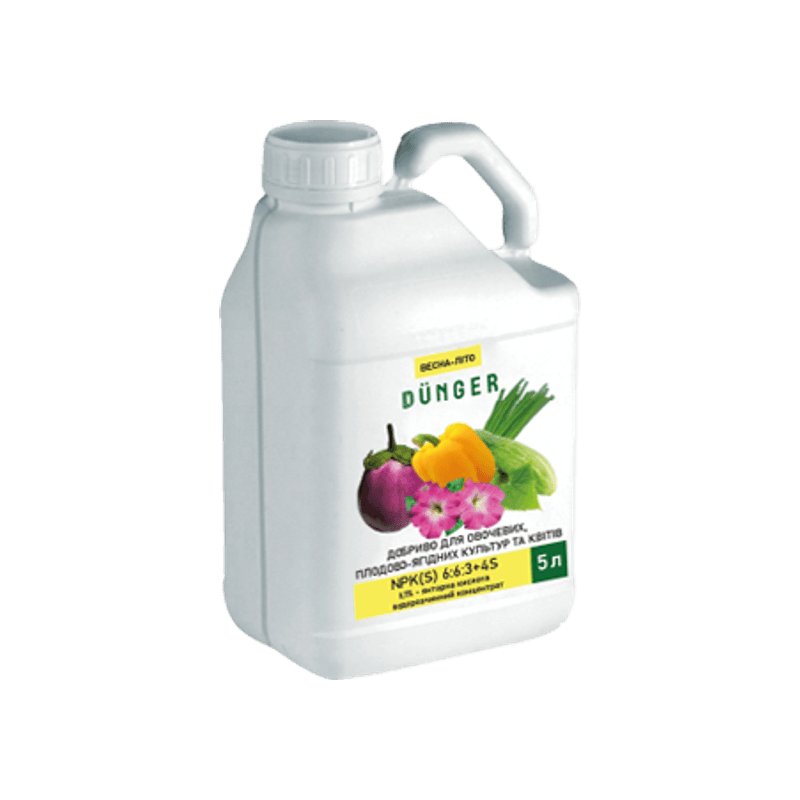
Complex fertilizer for vegetables, fruit and berry crops, and flowers
If young plants need additional nutrition, match their development to the instruction's stated stage. The seedling vegetable row applies here, rather than the mature-plant row. An already nutritious growing medium does not require automatic duplicate feeding. Fertilizer cannot replace viable seed, light or suitable moisture.
The product comes in a 5 L pack. Before ordering, work out plant numbers and solution volume using the selected instruction row. Do not use a mature-plant dose on small seedlings. A bed for greens should not automatically receive the feeding programme of onions grown to large storage bulbs.
Save your onion zone and measurements in My Garden to plan your purchase
Harvest and plan successive batches
For a single young harvest, select plants when their size suits the kitchen. Where sowing is closer, harvesting some plants first frees space for their neighbours. Loosen firm soil carefully to avoid breaking the plant at ground level. Do not wait for leaves to fall and necks to dry as you would with storage onions: this crop has a different harvesting goal.
Perennial bunching onions managed for repeated cutting need a separate plan. Do not assume that very young seed-grown plants can immediately tolerate many complete cuts. Check the cultivar's guidance and allow for further growth. For a continuous kitchen supply, compare how much you use with small successive sowings. Record their dates separately so every batch does not reach usable size together.
Frequently asked questions
Yes, the plants can be harvested young before a large bulb forms. For longer cultivation specifically for greens, compare purpose-grown cultivars and bunching onions. Decide on the harvest method before sowing so you can allocate space appropriately.
Check seed quality and storage, sowing depth, surface crusting and moisture during germination. Fertilizer does not revive seed that has lost viability. Establish which condition needs to change before sowing the bed again.
That is not a required step for young onions grown for a single harvest. Repeated cutting of perennial bunching onion depends on cultivar and development. Do not transfer the management of an established clump to plants newly grown from seed.


