


Grape flowers are tiny, usually greenish and easy to overlook. They grow on a branching flower cluster that resembles a miniature bunch of grapes well before bloom. The clearest change happens when the cap formed by joined petals separates from each opening flower. Look closely to identify bloom. Return later to judge fruit set, once the ovaries that continue to develop have become recognisable young berries.
What a grape flower cluster looks like before bloom
Find a green shoot and look for a central axis with small branches. Before bloom those branches carry many closed flowers that look a little like beads. Check another shoot for comparison. A tendril is usually thinner and longer and may coil around the support. It does not carry a set of small individual flowers. Young leaves unfolding above the cluster also belong to a different stage of development.
You can see the earliest flower clusters on an established vine while the flowers are still closed. If you see leaves and tendrils alone, walk around the vine and check shoots along the support. A single new shoot from near the base is a poor sample. Potential flower clusters develop in the buds, with some of that process occurring in the previous season. A vine with no clusters presents a different question from one with flowers that failed to develop into berries. Check where its shoots emerged and review the guide to spring grapevine pruning when tracing what was retained during pruning.
How to tell if grape flowers are open
View the cluster from the side with even light falling over your shoulder. The petals are joined into a small cap that separates at the base and comes off, exposing the stamens. On one branch you may see closed flowers next to open ones. A close photo helps if you cannot see the details unaided. Change your viewing angle and hold the camera steady. Leave the flower cap alone and avoid shaking or squeezing the cluster to test it.
Caps sometimes land on the leaf below. A fallen cap is part of the flower, so it does not tell you a future berry has been lost. Small pieces of flower material and slight differences in progress across the cluster are common. Identify which stage you can actually see and come back to the same part of the vine in a few days.
When grapevines bloom in Ukraine
Follow the actual vine. After budbreak, watch for the clusters to become easier to see on the new shoots and then inspect the individual flowers. Table grape cultivars can start flowering at different times even on one site. A southern wine-growing area and a cooler Forest-Steppe garden can have different bloom timing. If one vine is beside a warm wall and another sits at the exposed edge of the same garden, check them separately, too.
A warm spell following cool weather can move a cluster from closed to open flowers quickly. Longer stretches of cool, cloudy or rainy weather can extend bloom or impair fruit set. One rain shower is poor evidence that the vine will fail to set berries. Note what stage each cluster had reached when the weather changed, then compare with clusters that opened later. A photograph taken in the same light is more informative than the general monthly forecast.
What to record during flowering
- Write down the cultivar if known and choose a cluster you can find again. Take a photograph or mark a nearby part of the support.
- Note the date you first see open flowers. Compare with a few more clusters of the same cultivar in similar light.
- After a period of rain or cool weather, photograph the cluster from the same side. Try to distinguish fresh open flowers from structures that have already begun to swell.
- Once bloom is over, check whether some of the berries are enlarging. Compare the result with other bunches on that cultivar and, if available, photos from earlier seasons.
Separate normal flower drop from poor fruit set
Some flowers never turn into berries. Bunch density depends on the cultivar, the original number of flowers and the number of ovaries that keep growing. A tightly packed bunch on one cultivar is an unreliable comparison for a naturally open one on another. Even on a single vine, use more than one representative cluster. A bunch from deep shade or the most exposed edge can give a distorted picture.
Take a closer look if berries hardly swell on several representative clusters after flowering, if the cluster branches darken or if the problem repeats in different years. Write down what you saw before making a diagnosis. Did caps fall? Was there extended rain or heat? What do the leaves and shoots look like? One vine that fails to set fruit beside other vines that set normally does not prove a specific nutrient deficiency. Consider the cultivar, site, vine condition and previous care.
If the trouble returns, gather your pictures, notes and any test results. Compare drainage, differences in soil under adjacent vines and what was applied in previous seasons. Our spring grapevine feeding guide explains how to decide whether a separate spring feeding plan is justified. During bloom, avoid responding to one photograph with an extra fertilizer application. Keep the seasonal grapevine feeding plan handy for planning work at the other stages of the season.
When the type of flower matters
Many grape cultivars have flowers with functional male and female parts and can self-pollinate. Other cultivars have functionally female flowers. If a cultivar with that trait repeatedly sets poorly, check whether a compatible vine nearby blooms at the same time. A second vine behind the fence does not establish flowering overlap or pollen compatibility. Confirm the cultivar names if you can and record the stages on both vines separately before buying another plant.
Plan grapevine feeding separately from bloom
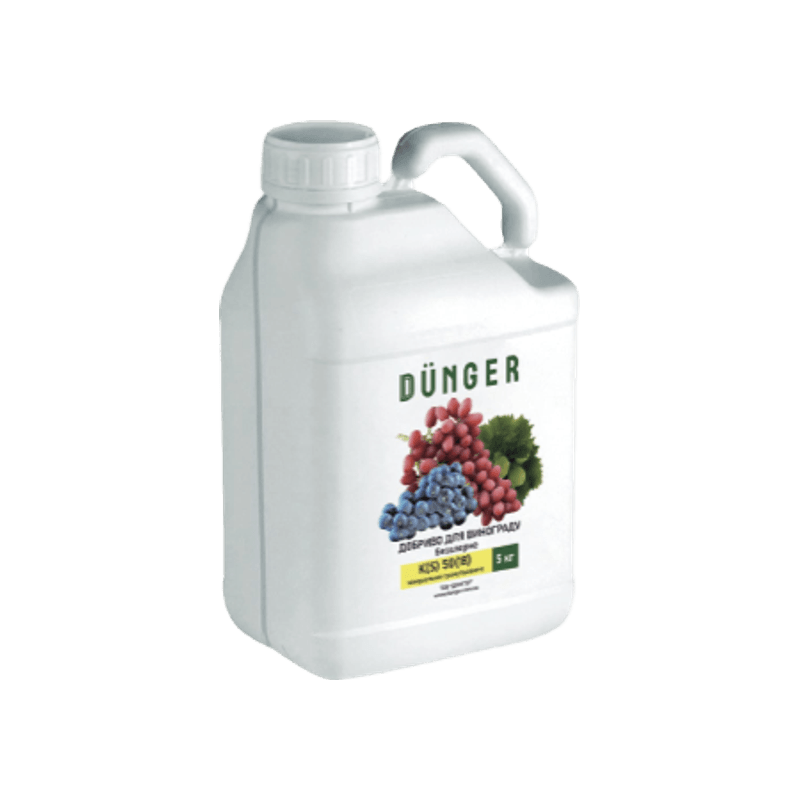
Complex fertilizer for grapes
If inspection and testing establish a potassium need, read the grapevine row in the full instructions. For this fertilizer it describes early spring before the leaves open. A vine in bloom has passed that stage. Plan for the next eligible period and reassess the vine before any application.
Compare the 1 kg and 5 kg packs after working out the amount using the grapevine instruction. Count only the planting area that needs feeding. Leave the application windows and rates for other crops with those crops.
Questions about grapevine flowering
Yes. They are small and can blend into the green shoots. View the side branches of the flower cluster. As flowers open, you should be able to spot exposed stamens on some. Compare two close photographs of the same cluster taken several days apart if you are unsure whether it has progressed.
By itself, an open bunch tells you little. Some flowers fall naturally and cultivars differ in bunch density. See whether several clusters of the same cultivar develop berries under similar conditions. Compare them after bloom when individual berries have begun to enlarge.
Open flowers mark a growth stage. Evaluate a possible nutrient need separately, using your previous applications and test results. Find the specific grape instruction for the product you are considering. If the relevant application window has passed, plan a check and a purchase for the next suitable period.


