


Common heather, Calluna vulgaris, generally flowers from late summer into autumn, with the exact start and duration depending on the cultivar and conditions. Plants displayed alongside it under a shared everyday name may belong to Erica and have a different season. The useful answer to when heather flowers therefore starts with the complete plant label, rather than the colour of the pot or flower spikes.
There is another distinction: colourful buds do not always mean open flowers. Some Calluna cultivars retain closed coloured buds as a decorative feature. That may be precisely what a buyer wants, but it should not be confused with accessible flowers for insects or treated as a fault that stronger feeding will correct.
Read the name before buying
Look for Calluna vulgaris and the cultivar name. If the label says Erica, establish the species and cultivar separately. Erica carnea and Erica × darleyensis, for example, are associated with winter and spring flowering in suitable conditions. Other members of this large genus do not all share that season. A place on a heather display is not a complete plant identification.
Calluna has tiny scale-like leaves arranged in opposite pairs along the shoots. This can help you inspect the plant more carefully, although a reliable label is more useful than trying to identify a cultivar from one photograph. Photograph the label together with the plant. Next spring, you will then have its actual name rather than a memory of the colour it showed when purchased.
When buying several cultivars for a longer display, list them individually. Three differently coloured pots may contain the same cultivar, or plants with the same flowering period. Ask for the seasonal description of those particular cultivars. A general promise of year-round flowers cannot replace a planting plan. Filling seasonal gaps requires a suitable selection of plants, rather than more fertilizer for one plant.
Interpret the flowering season for Ukraine
No single opening date applies to all heather cultivars and sites across Ukraine. An exposed garden in Polissia, a sheltered central courtyard and a southern terrace have different conditions. Even opposite sides of a building differ in light and wind exposure. Treat a cultivar description as an indication of its season, rather than a guarantee that it will flower during a particular week.
A flowering pot shows the plant's present condition, not a complete calendar for its future life in your border. Ask where it was grown and whether it is intended for permanent outdoor cultivation in your locality. Looking attractive on the day of purchase does not confirm that every Erica can overwinter on an exposed Ukrainian site.
The selling season is also different from the right season for every gardening operation. Autumn colour does not automatically mean that feeding is needed now. Separate three decisions: enjoying the display, providing a suitable site and planning nutrition within the permitted season of a chosen product. The guide to winter care for heather in gardens and pots covers preparation for colder conditions separately.
Open flowers or coloured buds?
Look closely at several shoots rather than assessing only the overall patch of colour. Normally flowering heather has visible open flowers. Bud-flowering cultivars obtain their display from closed coloured buds. If that characteristic is confirmed in the cultivar description, failure to open does not by itself indicate a shortage of nutrients.
Both types may work in a decorative arrangement near an entrance. If the aim is to provide flowers for visiting insects, choose plants with accessible open flowers. Do not apply a statement about nectar in ordinary heathers to every bud-flowering cultivar. Before buying, decide whether the particular appearance or insect-accessible flowering matters most for the intended planting.
A colour change on one branch does not always signal the end of flowering. Cultivars differ in foliage colour, and some change it during the season. Compare the flower spikes themselves with the cultivar description. Adding fertilizer in an attempt to make every leaf green is inappropriate when orange, bronze or golden foliage is part of the plant's normal character.
What to check when there are few flowers
First establish whether this particular plant has reached its flowering season. Then assess light, root-ball condition and the growing medium. Calluna needs suitable acid to neutral conditions, good drainage and a sunny position. Deep shade and persistent wetness do not become appropriate conditions simply because granules have been applied.
Do not determine soil acidity only from the colour of a neighbouring plant. Use an actual assessment and the guide to checking soil before choosing fertilizer. If the garden soil is unsuitable, a container with an appropriate growing mix allows its root environment to be managed separately. Check that the pot has holes and does not stand in water.
Keep the label from a container growing mix so you can establish whether it already contains an initial nutrient supply. A newly bought plant moved into a fertilized mix should not automatically receive several additional feeds. If growth deteriorates, identify the cause rather than changing the medium, watering and several products together, leaving no clear explanation of what happened.
Feeding cannot change the cultivar
Heather does not need continually stronger nutrition to keep flowers colourful for longer. Additional fertilizer may be unnecessary in suitable fertile soil. In containers, take account of the growing mix and the actual need. Select a product for the covered plant group and permitted season, rather than treating it as a way of making a bud-flowering cultivar open its buds.
A compound whose instructions include heather and erica
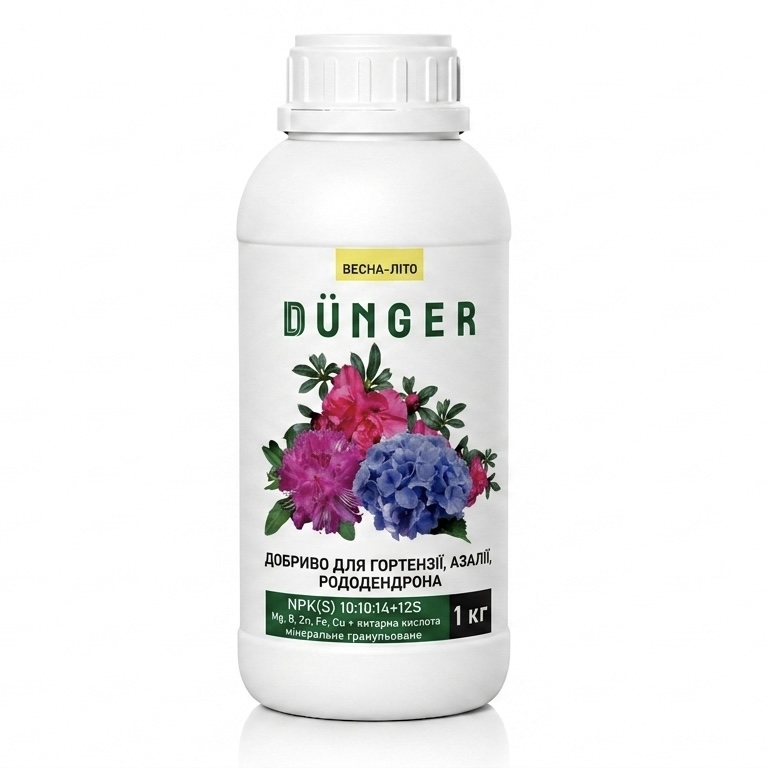
Complex fertilizer for hydrangea, rhododendron, azalea granular
This product is intended for spring and summer feeding of the named acid-loving shrubs. Heather and erica are explicitly included. Consider it for an established need in the permitted season, rather than an automatic application during an autumn display.
Pack sizes are 0.5, 1 and 5 kg. Choose a quantity for a justified future application, rather than from how long the colour remains.
The displayed row covers the named shrub group. Read the complete method and consider the plant's size and age before choosing an application. It is not a universal recommendation for every small recently purchased pot. An autumn display is not a reason to move a spring and summer product into November simply to maintain its colour.
Care while the plant is flowering
Check the root ball rather than only the top of the mix. Containers can dry faster than a large planted bed, but water must still drain away. Inspect the inner pot when using an ornamental outer container. Water according to the condition of the plant and its medium, allowing for weather and position rather than assigning one identical amount to every pot on a terrace.
Once flowering has finished, light trimming of faded flower spikes helps retain a compact shape. Keep the leafy part and avoid cutting hard into old bare wood, from which Calluna regenerates poorly. If an Erica has not been identified, establish its species and its own growth cycle before choosing when and how to prune it.
Plan a small heather display
- List the species and cultivars from their actual labels.
- Record the expected season and whether the flowers open.
- Check soil, light and drainage at the intended site.
- Assess containers separately from permanent plants in the ground.
- Buy feed after matching a real need with the complete instructions.
In My Garden, define zones, crops and measurements to prepare a fertilizer plan. Keep cultivar labels and personal observations of flowering separately. Other plants with related soil requirements appear in Acid-loving plants; their application rates should not automatically be treated as rates for the heather group.
Questions about heather flowering
Check the name first. Calluna generally belongs to the summer and autumn group, while some Erica species flower in winter and spring. For Ukraine, establish the cultivar and local conditions instead of copying a month from an overseas description.
The plant may be a bud-flowering cultivar. Check its description. More fertilizer will not turn that cultivar's closed buds into ordinary open flowers, and the feature is not itself evidence of deficiency.
The display can involve buds, persistent flower parts and cultivar-specific foliage as well as open flowers. Assess those parts separately to distinguish a colourful appearance from active flowering.
Do not change the selected product's permitted season. The displayed compound is intended for spring and summer. In autumn, check the plant's conditions and subsequent care instead of adding it automatically.


