


For autumn planting to produce mature bulbs, choose an onion cultivar whose pack says it is suitable for overwintering. Check whether the material is seed or sets, which are small planting bulbs. Each starts at a different stage and needs its own instructions. Then look at the bed. It needs light and somewhere for water to drain after a thaw. The same cultivar can perform differently in two gardens.
How overwintering cultivars differ from sets for spring planting
Here an overwintering onion means a bulbing onion, Allium cepa, that spends winter in the ground and forms a bulb the next season. It differs from a perennial onion grown for green shoots and from sets intended for spring planting. A word such as “early” or “yellow” tells you little about how to grow it. Check the autumn suitability of both the cultivar and the form of planting material.
Radar is a yellow overwintering onion that is also suitable as a set. Troy is a yellow set cultivar suitable for overwintering with good bolting tolerance. Compare those examples using the information on the actual lot you can buy. Tolerance helps with selection but cannot prevent flowering under all conditions. A familiar name or skin colour gives no guarantee that the entire row will survive a winter.
If the shop has unnamed mixed sets or tells you any sets will do in autumn, ask to see the lot label. Check whether it describes an overwintered bulb crop or only a crop for fresh greens. If you need onions for longer storage, look separately at what is known about the mature bulbs. Early maturity and storage quality are different traits.
When to choose sets and when to use seed
Sets are small bulbs that have already formed. You can plant them individually and spot damaged ones before they go in the ground. Choose firm, dry sets without soft areas, wet marks or mould. Compare similar sizes within a trial row. Larger sets can make sense for greens. After cold exposure, they can be more likely to send up flower stalks if left to grow. Check the grade recommended for the actual cultivar and lot.
Seed has to germinate and reach a suitable stage for overwintering. Look for a specific sowing plan for that cycle. Seed and sets have different timing and depth requirements. Ask what stage the seedlings should reach before cold weather, whether the lot is intended for autumn sowing and whether that system uses cover. Use material sold with only spring directions in a spring planting, or look for a suitable autumn lot.
What to ask about a particular lot
For sets, ask for the grade and look at several bulbs from inside the pack, not just the ones on top. Compare size and condition. Keeping the lot number lets you trace the details later even if the packaging changes. For seed, look for the exact cultivar and intended growing method. Ask whether local experience involved plants wintered outdoors or under cover, and whether growers harvested mature bulbs.
Keep leftovers from different packs separate even if the sets look alike. Label them and note where each lot goes in the row. If one lot later leaves more gaps, you can compare how it looked at purchase with the part of the bed where it grew.
How bulbing differs from bolting
Day length affects when the bulb begins to form, and cultivars differ in how they respond. Bolting means producing a flower stalk. It can happen after a plant of a susceptible size has been through a cold period. Overgrown plants and larger sets may be at greater risk. If you had many flower stalks last year, compare the grade, planting time and weather. See the guide to preventing onion bolting for the separate planting decisions.
How to compare cultivars in your own bed
Choose a bed that sheds water after rain and thaws. An exposed Steppe garden may have wind and little snow cover. On heavy soil elsewhere in Ukraine, meltwater can collect in a low spot. These differences can also occur within one yard. Compare the top and bottom of the bed, shade from a fence and the path that meltwater takes. Use the guide to when to plant winter onions and prepare the bed to choose a planting window.
- Set aside short labelled sections for two suitable cultivars in your first trial. Keep some space for your usual spring crop if you depend on the harvest.
- Compare similarly sized sets or two seed lots sown by the same method. Changing both the cultivar and the method makes the outcome harder to interpret.
- Mark spots where water or snow collects. Avoid giving one cultivar the wet end of the bed and the other only the dry end.
- Count plants that resume growth in spring, then check for flower stalks. At harvest, compare maturity, neck condition and the bulbs you can use as well as size.
Suppose one labelled row has gaps near a downpipe while the other is growing evenly higher in the bed. Investigate the location before attributing the result to cultivar. Rows beside one another under similar conditions give a more useful comparison of survival and bolting. Keep a note of the result, then allow for a different winter the following year.
What to compare in spring and at harvest
Look at the marked rows after growth resumes. Mark gaps and uneven growth. Check for flower stalks separately a little later. This helps you distinguish winter losses from plants that survived and then started to flower. At harvest, count the sound mature bulbs in each section and assess whether their size suits your plans.
If you want onions for early cooking, record when the first usable bulbs formed. For storage, check whether the crop matured evenly and how it looked after drying. A row eaten fresh leaves you no basis for judging storage life. Keep a small labelled sample separate if that trait matters for your next purchase.
Once the row resumes growth, its condition and the soil assessment guide any decision on nutrition. See the guide to caring for overwintered bulb onions after winter. Compare maturity and storage in the guide to harvesting and storing overwintered onions.
When the bed needs a base application
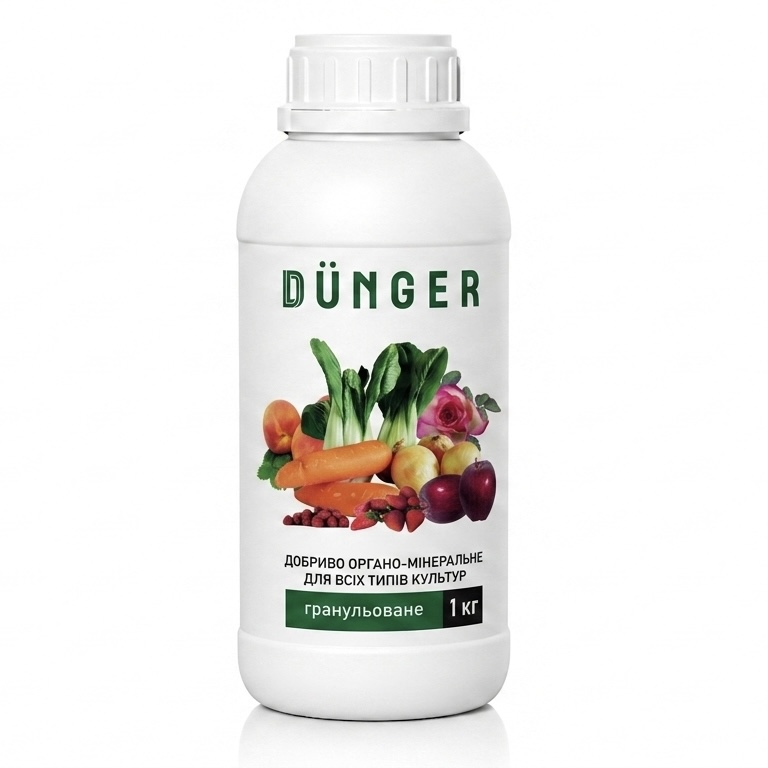
Organo-mineral fertilizer for all types of crops granular
If a soil assessment shows a need for a base application, consider DÜNGER organo-mineral granules. The directions include an all-crops group and a method for main application during soil preparation. Compare the composition with the recommendation for your bed. Assess overwintering separately, taking account of cultivar, drainage and the condition of the planting material.
Packs are 1 and 5 kg. Measure only the area with a verified need, excluding paths. Keep conditions consistent in your trial plots and check the full directions, pack photo and price before buying.
Frequently asked questions
Start with suitability for autumn planting, the cultivar's grade and a sound lot. Larger sets can be more likely to produce flower stalks after cold exposure.
For mature overwintered bulbs, choose material sold for that purpose. If the lot lists only spring conditions, use it in the spring planting.
Compare drainage, snow cover, wind and soil. Thawing snow can leave water in a low spot, while an exposed section may have less snow. Mark the difference when planning the next trial.


