


Golden clematis, Clematis tangutica, is recognizable by its nodding yellow lanterns and fluffy silvery seed heads. Named cultivars in the Tangutica Group can look similar. Before buying a vine for an arch, fence or wall, confirm its exact name, expected mature size and pruning advice. That information helps you choose a permanent support and gives you a way to decide which stems to keep after flowering.
Recognize the species and distinguish named cultivars
The flowers of the species usually hang down. What look like four yellow petals are petal-like sepals. Later, silky heads develop from the flowers, each made up of fruits with long feathery tails. The leaves are divided into toothed leaflets. Together these features make a useful starting point for identification. A photograph of one yellow flower alone is too little information to confirm a cultivar.
The species and the horticultural group describe different things. The Tangutica Group contains cultivars related to several closely allied species. Flower shape, vigour and the time of the main flush can differ among them. If a seller lists a plant simply as yellow clematis, ask for a cultivar name or botanical label, a close flower picture and the expected mature dimensions. Use those details to decide how it will fit a particular spot.
For a wide support, compare a vigorous selection such as ‘Lambton Park’ with the more compact ‘Helios’, also listed as ‘Daihelios’. Both ‘Bill MacKenzie’ and ‘Lambton Park’ are known for yellow flowers and conspicuous seed heads. Pictures from different gardens cannot tell you how much room a particular plant will take on your site. Ask the nursery about expected size, and buy a named plant if you want known characteristics.
Choose a site and support before planting
Look for sun or light shade over the growing shoots and soil that retains some moisture but drains freely. A sunny wall may be warm, while soil beneath the eaves can be drier than the border beside it. In a low area, observe where water pools after prolonged rain. Start with choosing soil for clematis when comparing sites. Even when one plant in the group accepts neutral or alkaline ground, test your own soil before adding lime.
In a Ukrainian garden, the exact site matters as much as the general winter climate. A windy corner can strain a support and dry the soil surface. A bed beneath a warm wall can remain dry after a light shower. If you are planting several vines, use each cultivar's mature spread to allow a working path between them. In a mixed border, decide how you will guide new shoots so they cannot cover shorter neighbours.
Give leaf stalks something they can grasp
Clematis climbs by twining its leaf stalks. These can grip thin trellis slats, stretched wire or a sturdy mesh more easily than a thick, smooth post. If an arch has thick supports, attach a finer grid. Fasten the structure well enough to hold the mature vine when wet and leave room behind it for shoots. Plan how you will reach the lower nodes and check the fasteners without pulling the vine off the wall.
Stand on the path and check that you can reach the base. Imagine removing a few old stems without harming the new ones. If the mesh covers a drainpipe or an access panel, the vine could make ordinary maintenance difficult. Guide young shoots into different parts of the trellis with soft, loose ties. Do it while you can still separate them without dragging a whole bundle across the support.
Choose pruning by the plant's name and growth
The species and many cultivars in the group flower on the current season's growth and are classified in pruning group three. Make the main pruning decision in late winter or early spring when you can see healthy buds. Cutting back firmly can renew an overgrown tangle. Some small-flowered forms with decorative seed heads can be thinned more lightly while keeping the main framework. Follow the pruning guidance for the named selection before taking out live stems.
If the label is missing, do not infer the pruning group from yellow flowers alone. Mark several shoots and observe whether flowering follows new growth or happens on stems retained from last season. Clematis in other pruning groups can depend on old growth. If you are deciding which work to do before cold weather, see how to identify a clematis pruning group before winter.
Keep seed heads where you can manage seedlings
The feathery heads give the vine a different texture after flowering and can remain on it in colder weather. If unwanted seedlings are already appearing, remove some faded flowers before the seed matures. Inspect beneath the trellis, along cracks in paving and at the edges of neighbouring beds. If spread is unwelcome, keep fewer heads and avoid carrying ripe seed into another planting area. Seeds from a named cultivar may produce plants with different traits.
During the first season, water according to root-zone moisture and guide new growth before it tangles. Compare the soil near a wall with the open part of the bed and check whether water remains near the plant after rain. If you have yet to buy a plant or choose an outdoor planting window, consult the guide to when to plant clematis outdoors. If an established vine flowers poorly, inspect the light, moisture and previous pruning before assuming that the bed needs fertilizer.
One practical way to check an older planting is to follow a few shoots from the base to their flowering tips. If most light reaches only the top of the arch, flowering may also be concentrated there. Guide part of the new growth sideways while it is flexible. If the main shoots already have plenty of light, look back at whether they were cut late or dried during establishment. Correct the observed cause first.
Granules for a flower bed that needs nutrients
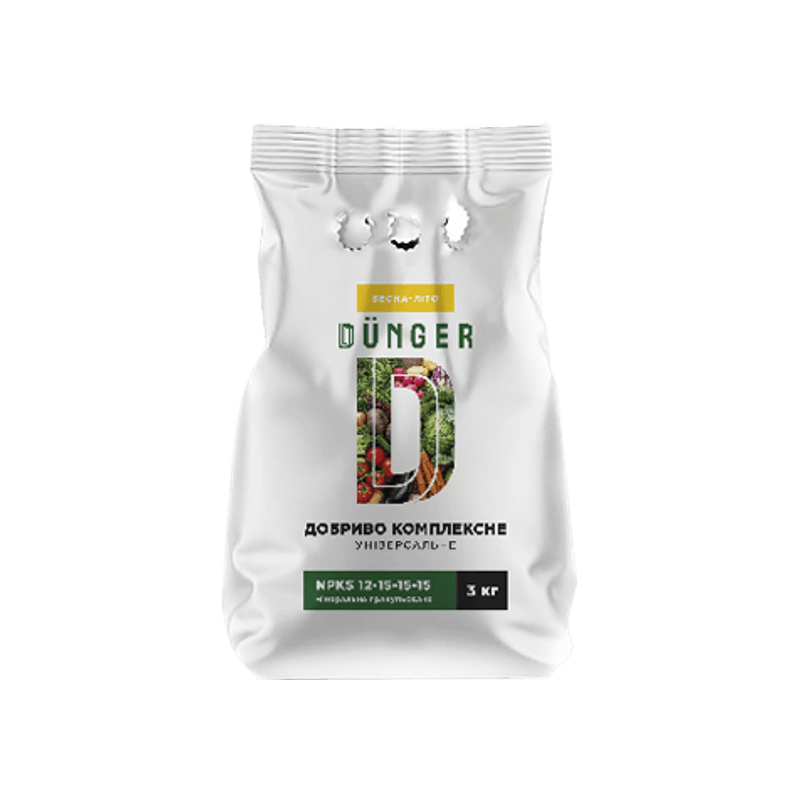
Complex fertilizer universal granular
If the vine is established and a soil test shows a need for the nutrients in this formulation, consider DÜNGER universal granules. The instructions include a separate group for flowering and ornamental plants. Follow the application guidance for that group. Deal with persistent wetness, weak light or unsuitable pruning separately.
Measure the part of the flower bed to treat and calculate the amount from the instructions. Compare the 3, 4 and 5 kg packs, then check the original pack photo and price for the variant you choose.
Frequently asked questions
Clematis tangutica is a botanical species. Tangutica is a horticultural group of named cultivars with related traits. Check the individual plant label for mature size and pruning advice.
You can leave some if you want the display and can keep an eye on seedlings. Where self-sowing is unwanted, remove faded flowers before the seed matures.
Confirm its identity first. Many group-three clematis tolerate firm pruning in spring. Some small-flowered selections can be thinned while retaining a main framework.


