


Garden clematis needs soil that supplies water and air to the roots. Aim for ground that stays moderately moist after watering and lets excess water escape. Start at the site itself. A vine beside a downspout, a dry strip under the roof and an open flowerbed can need different treatment even when the soil across the garden looks much the same.
Start with how water reaches the roots
Look at the site after ordinary watering or rain. If water collects in a hollow and remains after the neighboring bed has drained, identify and correct the cause first. A downspout may discharge under the support, or a border along a path may direct runoff into the planting area. Watering again will do little for the roots. Even a good planting mix in the hole will become wet if the same water keeps flowing into it.
The opposite can happen under a roof overhang. Rain reaches the leaves but leaves the ground beside the wall dry. Use a narrow test hole away from the stems to compare soil beneath the support with soil at the open edge. If only the covered strip is dry, adjust how you water it or move the planned planting point. Leave enough space to guide shoots onto the support and to get a watering can or hose to the base.
Check below the surface on level ground as well. Soil on top can turn pale and look dry while the layer beneath it is still sticky and heavy. After watering, check the layer near the roots rather than judging the top few crumbs. If one side of the bed holds water and the other dries quickly, record them as separate areas. That lets you work out whether the difference is in irrigation, soil or both.
Preparing heavy soil
Wet clay can stick together and smear onto the trowel. Put off digging while it sticks to your shoes or takes on a shiny surface when pressed. Working it in that condition can damage the crumb structure and leave a smooth, compact wall in the hole. Wait until the soil becomes more friable and check again before deciding what work is needed.
Persistent standing water calls for a change in drainage or a different site. Where water clears but the soil is compact, mature organic material can help improve the structure of the bed before planting. Work it into a wider area. A pocket of soft material inside dense clay does not create an exit for water. A handful of sand or a layer of stones at the bottom cannot fix runoff or a dense, poorly draining layer.
With an established vine there is no need to dig deeply around the stems just to add an amendment. First redirect any incoming water. Consider a surface mulch if the ground is not already staying wet for long periods. If work close to the vine requires digging near its roots, consider the condition of the plant and the extent of the work before starting. For a new vine, use the guide to planting clematis outdoors and wait until the soil is workable.
Keeping moisture in light soil
Water moves quickly through a sandy site. Before planting, incorporate mature compost or leaf mould over the wider bed if the soil is low in organic matter. Once the vine is in place, check how far the water spreads and whether it reaches the root ball. It may be easier to wet the surrounding sand than the nursery mix around the new roots. Checking both areas is more informative than counting how long you have watered.
An organic mulch left on top can slow evaporation and suppress weeds. Leave a clear gap around the stems so that you can inspect the crown. Move an edge of the mulch and feel the soil at your next watering check. If it is still moist, leave it until the next check. If it is dry, aim to wet the soil below the surface. A brief sprinkling can make the top look damp while the original root ball remains dry.
At an exposed site in the Ukrainian Steppe, wind and a dry spell can draw moisture out below the top layer. In a shaded bed with heavy soil in Polissia, prolonged rainfall can have the opposite effect. Treat these as conditions to check locally. In one garden, the strip by the wall, a slope and a level flowerbed can respond quite differently to the same weather.
When a soil test helps
Soil color tells you little about acidity or nutrient supply. If the roots have air and a reliable supply of water but the clematis has grown poorly for several seasons, or if you are preparing a new bed, assess the soil before choosing a fertilizer. Ask your laboratory what depth to sample and how to collect it. Keep a persistently wet hollow and a dry bed separate if you are trying to find out why their plants grow differently.
Before considering lime, check the soil pH and the requirements of the plant you intend to grow. Use any test recommendations for the area you actually plan to treat. Ash, liming materials and compost change soil in different ways. Avoid adding them casually to a single hole. Check for remnants of earlier applications or fertilizer already added to the nursery root ball.
Checking a bed with an established clematis
Record when the change appeared and where you first saw it. A vine near a retaining wall may struggle after rain, while one on a sunny fence may lose turgor after several dry days. If an individual shoot suddenly wilts, also inspect the stem and its ties. Drooping leaves together with wet soil are a reason to examine the root environment, not an instruction to add more water or feed. Keeping a brief record of weather and watering helps you interpret what happens after the first adjustment.
Change one condition at a time where you can. After diverting water from the path, return after the next rain to check the soil again. If you have moved the watering point closer to the roots, check how thoroughly the ground now becomes moist. This lets you judge whether the change worked before disturbing the bed again or adding a treatment it may not need.
Granular fertilizer for a bed that needs feeding
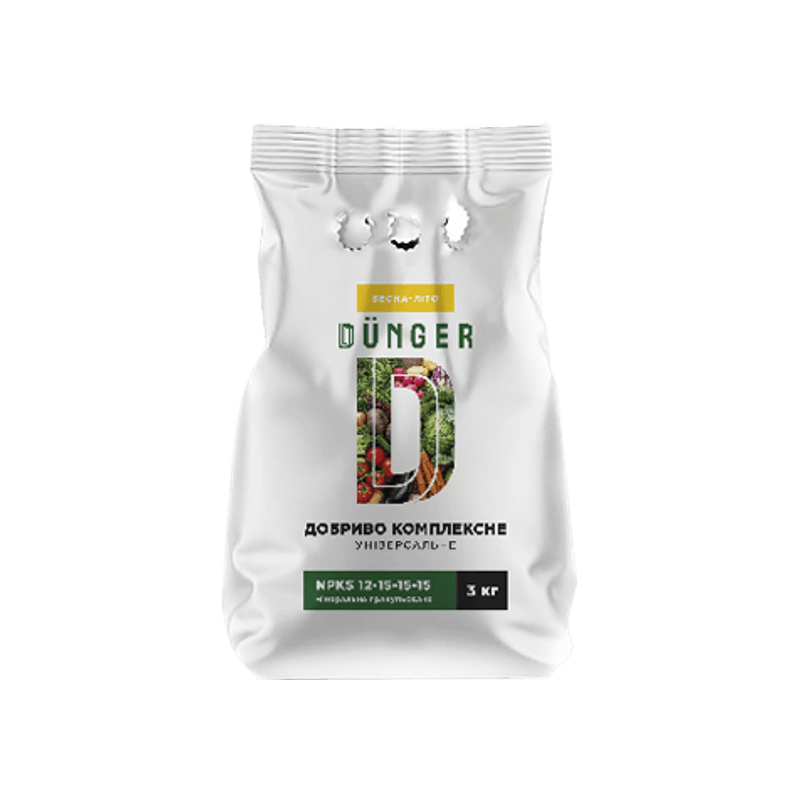
Complex fertilizer universal granular
Once the clematis is established and its roots are in well-drained soil, consider this DÜNGER granular fertilizer if the test or site assessment shows a feeding need. Use the floral and decorative crops row of the instructions. The rates for seedlings or trees do not apply to the vine.
Measure the actual area you intend to feed, then check the label for the rate and units for that crop group. The 3 and 5 kg bags and the 4 kg canister all contain granules.
Frequently asked questions
Yes, if it is deep enough for roots, becomes evenly moist and allows excess water to escape. Check the bed after rainfall and feel the soil beneath the surface. Make sure you can water the base of the vine. These checks also help when a plant is already in the ground and moving the roots would disturb it.
Gravel in one hole does not solve runoff into a whole hollow or standing water above a compact layer. Find out where the water enters and where it can go. If you cannot redirect it, choose a better site with a sufficiently deep area for roots.
Check the moisture around the roots and the condition of the vine first. If the soil stays waterlogged, correct drainage before deciding whether the plant needs feeding. Once a need is established, check the crop group, application method and stage on the fertilizer instructions.


