


Sow zinnias directly outdoors in spring once frost risk has passed and the soil has warmed thoroughly. A soil temperature around +21 °C is a useful reference for direct sowing, alongside the local forecast and instructions on your seed packet. One warm afternoon does not mean cold nights have ended. If the ground remains cold and wet, waiting is more sensible than using seed on a sowing that may need replacing.
Why one date cannot cover every Ukrainian garden
Common garden zinnias usually belong to Zinnia elegans or related garden forms. These are warmth-loving annual flowers. They should not be treated like crops that readily germinate and grow in cool spring ground. Sowing earlier does not guarantee earlier flowers when plants subsequently spend a long time struggling with low temperatures.
The same calendar date can bring different conditions in different Ukrainian gardens. An open bed, a shaded corner and a hollow after rain will not warm and dry at the same rate. Use the calendar to prepare seeds and planting space, then decide when to sow from the actual bed and forecast for your location.
If you have a soil thermometer, check the seed-sowing layer rather than a sun-heated paving stone or the air above it. Compare observations over several days. Around +21 °C is a practical reference, not a promise of emergence regardless of other conditions. Seeds also need suitable moisture, contact with the soil and an appropriate sowing depth.
Choose a cultivar for its position, not just its colour
Zinnias include compact forms for the front of a border and taller plants grown for cutting. Read the mature height, spread and recommended spacing before sowing. A density suitable for one cultivar may crowd another. In a mixed border, taller zinnias should not eventually block the light reaching shorter neighbours.
Choose a sunny position where excess water can drain. Persistently wet ground and shade cannot be corrected with extra fertilizer. Tall cultivars may need support, particularly where wind moves their stems. Plan that support early so you do not later need to push a structure through a mature planting.
Prepare the soil for direct sowing
Remove weeds and break down large clods. Rake the surface level: a prepared seedbed makes soil contact and consistent depth easier to achieve. You do not need to turn the entire bed into dust, but a seed should not fall into a large air pocket between hard lumps.
Check for compaction and standing water. If rain leaves the ground sticky and saturated, do not work it simply to meet a date you chose earlier. Wait for workable conditions or use a better position. Conversely, a very dry seed-sowing layer needs moisture so that newly sown seeds do not remain in dry ground.
How to sow without overcrowding
- Mark rows or groups according to the cultivar’s mature dimensions.
- Read the packet’s sowing depth. About 6 mm is a common reference for zinnias, but follow the instructions for your particular seed.
- Distribute seeds evenly instead of emptying the whole packet into one short furrow.
- Cover with fine soil, firm gently and water without washing the sowing away.
- Label the cultivar and sowing date so different batches remain identifiable.
Keep access for watering and weed removal. If you are sowing several cultivars, check their height and spread before mixing them. Keeping groups identifiable makes thinning and later maintenance easier. Save surplus seed according to its storage instructions instead of sowing more than the bed can accommodate just because the packet is open.
What to check before seedlings emerge
Keep the seed-sowing layer moderately moist without letting it dry completely or become saturated. Watering frequency depends on sunshine, wind, rainfall and soil. A strong jet can move seeds, so apply water gently. After heavy rain, inspect the sowing and check whether seeds have become exposed.
Zinnias generally emerge fairly quickly in suitable warm conditions, but different batches will not necessarily appear on exactly the same day. If nothing emerges, check temperature, moisture, depth and seed condition in turn. Do not add fertilizer as a germination accelerator. Identify the likely difficulty before repeating a small trial sowing under improved conditions.
Thinning and caring for young plants
Once seedlings grow and develop true leaves, give them the space recommended for their cultivar. Keeping every seedling out of reluctance to discard any can leave plants short of light and air movement. Closely crowded surplus seedlings can be carefully cut at soil level rather than pulled out through neighbouring roots.
Water the soil around plants and avoid keeping foliage continually wet. Monitor moisture in hot, dry weather without making watering an automatic daily task. Inspect seedlings: a missing or chewed plant, a collapsed stem and spotted leaves require different explanations. They should not all receive the same fertilizer response.
Zinnias can develop powdery mildew and other diseases. A sunny site, adequate spacing and appropriate watering help manage risks but do not provide complete protection. A cultivar with resistance to a particular problem is different from a plant that can supposedly never become diseased.
When starting seedlings indoors is more convenient
Starting indoors can provide young plants ready for suitable outdoor weather. You will need adequate light, moisture control and enough room for the containers. Avoid starting so early that overgrown seedlings must remain in cramped cells while you wait for the weather to improve.
Use individual cells or small pots with drainage holes. Advice on seedling growing media helps assess the mix, while the guide to growing seedlings at home covers lighting and care. Before planting out, gradually acclimatise the plants to outdoor conditions. Hardening off does not make zinnias frost-hardy. Move them into the garden after frost risk has passed, keeping the root ball intact.
Choose the method that matches the care you can provide. A direct-sown bed needs attention to surface moisture and weeds, while indoor seedlings need light and careful timing. Neither approach removes the need for a warm outdoor position. A healthy young transplant is useful; a tall, crowded seedling is not automatically an advantage.
As zinnias grow and begin flowering
Revisit the layout: check space, supports and access to the soil for watering. Remove weeds before branching plants hide them. Deadheading helps maintain fresh flowers in many ordinary cultivars, although some garden series have different requirements. Follow the description of your actual cultivar rather than treating every zinnia alike.
Handle stems gently when cutting flowers because their hollow stems can be crushed. Cutting should not pull a plant from the ground. After autumn frost kills the plants, clear away the dead growth and keep next season’s stored seed away from damp plant debris.
Flower-bed nutrition according to need and instructions
Plan feeding separately from the sowing date. Consider soil fertility and previous applications. A universal granular product with instructions for the flowering and ornamental group is an applicable option for this garden use.
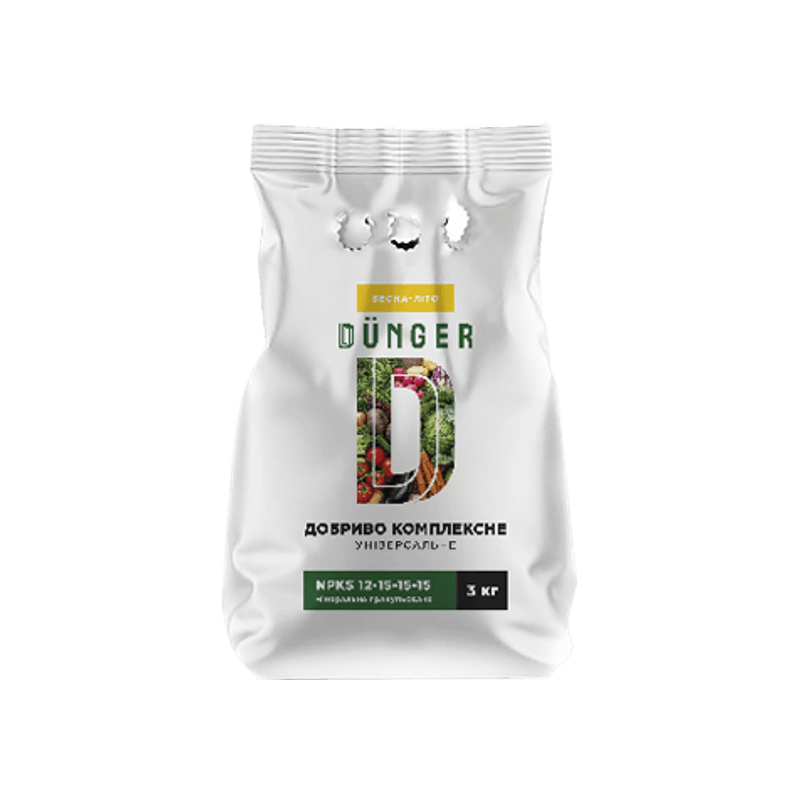
Complex fertilizer universal granular
DÜNGER universal compound fertilizer granules for vegetables, legumes, leafy greens and ornamental plants. Available in 3, 4 and 5 kg packs.
Floral and decorative crops: 30-40 gr/m².
This is the instruction rate for the crop group. Read the full instructions and select the applicable application method before use. Do not add the surface rate and other application methods together as one dose. Save the flower bed and its measurements as a separate zone in My garden to calculate requirements and pack quantities.
Frequently asked questions
One warm day is insufficient. Check overnight forecasts, soil warmth and drainage. If frost remains possible, postpone direct sowing rather than treating daytime warmth as protection for the seedlings.
For ordinary annual garden zinnias, plan spring sowing into warm soil after frost risk has passed. Autumn sowing is not a dependable substitute for that approach with this warmth-loving annual.
First check light, temperature, moisture, crowding and the root zone. Fertilizer does not remove cold conditions, waterlogging or damage to seedlings. Feed according to genuine need and the applicable product instructions.


