


Water petunias according to moisture around their roots rather than using one schedule for every planting. A hanging basket on a windy balcony can dry much faster than a flowerbed after rain. Drooping leaves do not always mean that water is missing: roots can also suffer in persistently wet compost. Answering how often to water therefore starts with a short inspection of the individual plant and its growing conditions.
Why baskets and beds need different care
Container roots are restricted by the pot, and the available water depends on its volume and potting mix. A large leafy plant in a small hanging basket requires closer attention. In a bed, soil structure, recent rainfall and how well the plants are established also matter. Moving a watering timetable from a basket to a border without checking conditions is unlikely to give a useful answer.
Container size and material influence drying too. A shallow window box and a larger pot do not hold the same reserve of moisture. Sunshine and wind mean that even identical baskets on opposite sides of a house may need attention at different times. Identify the most exposed positions and include them early in your watering inspection.
Check beneath the surface
Gently feel the accessible compost between the stems. A dry top layer does not necessarily mean that the whole root ball is dry. Similarly, a dark surface after a short shower does not prove that water has penetrated further down. Check more than one position in a long container, particularly when irrigation reaches it from only one side.
In a flowerbed, use a small trowel beside the plant to examine moisture without breaking apart its roots. The question is whether water reaches the root zone. There is no need to dig up a petunia after every watering. An accessible soil check and observation of how moisture changes after irrigation are more useful than repeatedly disturbing the plant.
Watering a hanging basket
Inspect baskets daily during warm, dry weather. In strong heat and wind, more frequent checks may be needed. This is an inspection routine, not an instruction to pour in water every time. If the mix remains moist, the next step is observation rather than automatically repeating yesterday's amount.
Part the stems and deliver water slowly to the compost. Allow it to soak in before continuing, rather than directing the whole stream at the flowers or into one small hollow. If water immediately runs down the sides and out, inspect the root ball itself: rapid runoff does not establish that it has become evenly moist. Avoid turning ordinary watering into prolonged unnecessary flushing.
Watering petunias in garden soil
In a bed, aim to moisten the root zone instead of just darkening dust on the surface. Concentrate on the area that needs water and allow it to soak in slowly. Frequent tiny splashes may leave the lower layer dry. After rain, inspect the ground before deciding whether additional irrigation is necessary.
Newly planted petunias need their own root balls checked while roots begin extending into surrounding soil. Do not judge only the ground some distance from the stem. If the planting stays wet for a long time, investigate the reason. Choosing suitable soil for petunias helps prepare the planting; a watering timetable alone cannot correct an unsuitable growing medium.
Choosing the time of day
A morning inspection lets you assess plants before the strongest heat and water when necessary. Applying water during cooler hours reduces evaporation while the job is being done. Evening watering is also possible, but avoid leaving flowers and leaves wet for prolonged periods. Aim at the soil rather than showering the entire plant.
A convenient preferred time is not a reason to ignore a genuinely dry plant. If you discover a dry root ball during the day, assess its condition and provide the water it needs. Do not wait until the next morning simply to follow a timetable. Drooping leaves above wet compost, however, require a different check rather than another automatic watering.
Rain does not always replace irrigation
A brief shower can wet leaves without reaching all the compost. Dense growth intercepts some rain, while a basket beneath a roof may receive very little. After rainfall, inspect moisture inside the container and any water collected in its saucer. One wet pot near the balcony edge cannot represent every plant under the shelter.
There is no single Ukrainian summer schedule that works equally well on an exposed terrace, in a courtyard and beside a shaded wall. Follow the weather at your actual growing position. Additional watering may be less necessary during a cool rainy period, while the return of dry wind can change conditions quickly. Local observations are more useful than a national calendar.
What to do when a petunia wilts
First distinguish a dry root ball from a wet one. The first situation calls for controlled watering and observation. The second calls for checking drainage and the root zone. Dark, soft tissues, persistent yellowing and deteriorating growth should not simply be blamed on heat or a shortage of fertilizer.
Wilting alone does not identify a particular disease. If shoots continue declining after conditions are corrected, inspect more carefully. The separate guide on why petunias dry out and what to check explains the wider assessment. Adding feed to every watering is not a sensible way to conceal an unknown problem.
Saucers, outer pots and holiday care
Check water retained in decorative outer pots. Drainage holes cannot protect roots when the inner pot remains standing in water. Also make sure that drainage actually works and holes are not blocked. When the mix becomes dense and soggy, the problem may involve its structure as well as how often someone waters.
Test any holiday arrangement before leaving. Show the person caring for your plants how a dry container differs from one that is still moist. With an automatic system, check which parts of the root zone actually receive water. Do not leave a new setting unobserved. Filling every saucer for the whole absence is not a reliable substitute for a tested arrangement.
Reducing unnecessary water loss
Position containers so you can reach them comfortably with a watering can. An awkwardly placed plant is easier to miss or water superficially. During intense heat, temporary shelter may help, but do not move sun-loving petunias permanently into deep shade simply to reduce watering. Suitable grouping and covering the compost surface can reduce evaporation while root-zone checks remain necessary. Keep enough access to inspect moisture and notice standing water.
When the issue is nutrition, not more water
Water and fertilizer have different jobs. Establish suitable moisture and drainage first, then assess the nutritional needs of a healthy plant. Account for fertilizer already included in purchased compost. The guide to feeding petunias explains the choice in more detail.
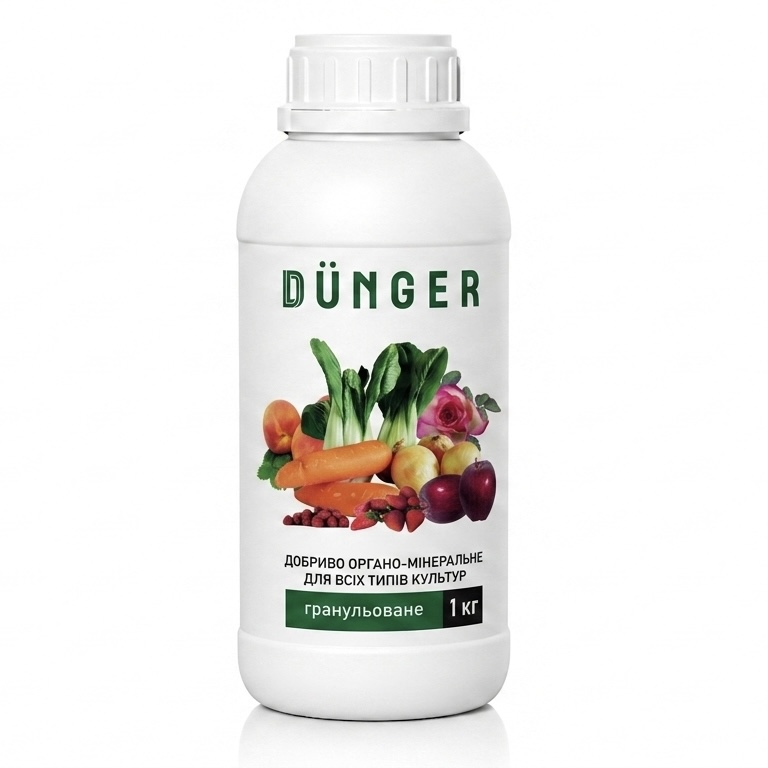
Organo-mineral fertilizer for all types of crops granular
DÜNGER organo-mineral fertilizer granules for all types of crops. Available pack sizes: 1 and 5 kg. Select a pack, check its price and availability, and place an order for delivery within Ukraine.
Consider this granular option for flowerbeds and preparation of growing mixes according to its full instructions. Do not turn its application rate into an improvised watering-can solution or add granules after every irrigation. My Garden helps organise growing zones and purchase quantities using planting measurements. Assess the need for each application separately.
Frequently asked questions
Daily inspection is useful for baskets in warm dry weather, but watering depends on the actual moisture in the mix. The interval can differ between flowerbeds and individual containers.
Check whether it passes through the root ball or mainly along the sides. Apply it slowly and assess moisture within the compost. Runoff alone does not establish even wetting.
Yes, if the root zone is still dry. Rain may miss a sheltered basket or wet only its surface. Do not automatically add more water to a root ball that is already wet.
No. Follow the particular product's instructions and consider the plant's stage and needs. Watering is not a reason to repeat feeding, especially where roots are damaged or the compost already contains fertilizer.


