


A pot of turmeric does not always behave like a houseplant that stays green throughout the year. Ornamental Curcuma can finish its growing cycle, lose its leaves and survive underground as a rhizome. However, sudden collapse in wet compost should not automatically be called dormancy. Useful care begins with identifying the plant, establishing its current stage and checking what is happening around its roots.
An ornamental plant is not automatically a kitchen crop
Different plants are sold under the name turmeric. Curcuma alismatifolia, also called Siam tulip, is grown for its ornamental flower display. Curcuma longa is the familiar source of turmeric spice. Both belong to the ginger family, but a shared genus or similar leaves do not establish that a decorative pot is suitable for eating.
Keep the label of a flowering ornamental plant and identify the cultivar where possible. Do not use its rhizome as a kitchen ingredient. If culinary growing is your aim, begin with identified planting material of the appropriate species. One attractive pot on a windowsill does not promise a particular harvest weight or another flower display by a chosen occasion.
What remains below the surface
Turmeric grows from a rhizome, a modified underground stem rather than an ordinary fine root. This structure may remain after the leaves die back. A pot whose leafy top has finished therefore does not necessarily belong in the bin. Equally, an empty-looking pot or a date on the calendar cannot establish whether the rhizome is healthy.
Think ahead about where the plant will stand after flowering and during rest. Retain any cultivar-specific seasonal instructions supplied with it. Digging up the rhizome every week is not a substitute for monitoring its conditions. Photographs and a few private notes about your own plant can help you distinguish gradual seasonal change from a sudden problem.
Light and warmth during growth
Culinary turmeric indoors needs warmth and bright indirect light. For ornamental forms, check the requirements of the particular cultivar. A sheltered outdoor container and a place behind glass expose plants to different conditions. Move a plant from shade towards stronger light gradually rather than placing it straight into intense sun after time indoors.
In Ukrainian homes, consider short winter days, cold window glass and ventilation. A warm room does not guarantee that the rhizome beside a window has equally stable conditions. An unheated balcony is not automatically a suitable winter store. Before moving a pot outdoors for summer, consider night temperatures, and return it to protection before damaging cold arrives.
Watering a plant with growing leaves
During active growth, manage moisture by checking the potting mix itself. Moist compost and standing water are different conditions. Excess water must be able to drain through the container, and water hidden inside a decorative outer pot should not go unnoticed. A rhizome in persistently wet conditions can rot; more frequent watering cannot repair poor drainage.
A small pot near a warm window and a larger container in a cooler position dry differently. Do not copy watering frequency from another houseplant. Check accessible moisture within the mix, not simply the colour of its surface. When water runs quickly down the pot sides, assess the root ball rather than assuming that it has become evenly moist.
Choosing compost and a container
Use a mix that retains useful moisture while letting surplus water escape. A sealed decorative pot makes it harder to judge drainage. Avoid choosing a very large container solely for an imagined future size; consider the existing rhizome and plant. The guide to choosing potting mix for houseplants explains the wider selection process.
Do not repot a flowering purchase merely because a certain number of days has passed. First assess drainage, moisture behaviour and plant condition. Suspected decay also requires attention, but that is a different situation from routine pot enlargement. The article on when to repot houseplants helps separate practical reasons for changing containers from unnecessary disturbance.
Is it dormancy or a problem?
Ornamental Curcuma can gradually yellow and lose its top as its growing cycle ends. This does not mean that feeding is needed to force immediate new leaves. Conversely, a soft shoot base, unpleasant smell and persistently wet root ball warrant checking for decay. Natural rest should not become a convenient explanation for every change in appearance.
Consider the sequence of events. Did the plant grow and flower normally, or did collapse follow excessive watering, cold or relocation? Check its label and record what changed. Culinary Curcuma longa may also become dormant in cooler, lower-light indoor conditions. Do not impose one date for leaf loss on every species, cultivar and growing situation.
Caring for the resting pot
Once normal dormancy of an ornamental plant is established and its leaves have died, do not continue watering as though it still had an active leafy top. Storage must remain frost-free, and the rhizome should not sit in wet compost. Recommendations for ornamental forms may include minimal moisture to prevent complete drying of their storage organs. Check the guidance for the actual cultivar.
Do not turn dormancy into a universal recipe involving exact weeks and water portions. For culinary turmeric that has genuinely become dormant, ordinary watering is stopped until growth resumes; this should not be transferred uncritically to every ornamental hybrid. Avoid sharing its pot with another plant whose regular watering would keep the resting rhizome wet.
Recognising the return of growth
A new shoot is a reason to reassess warmth, light and moisture. Resume care according to the plant's development rather than flooding the pot in advance to hurry it awake. Before culinary turmeric produces shoots, watering should be sparing. The timing depends on the planting material and conditions, so a missing leaf on an expected day does not by itself prove that the rhizome has died.
Check labels and the intended growing position before resuming active care. Pots resting together are easy to confuse, particularly when their tops have disappeared. A durable species label helps prevent accidental reuse of an apparently empty container and preserves the distinction between ornamental and culinary plants throughout their quieter stage.
Feeding during active growth
Consider feeding for a healthy plant growing in suitable conditions. Fertilizer is not a treatment for a dormant rhizome or decaying roots. Check what the potting mix already contains and what has previously been applied. Further guidance is available in when to feed houseplants.
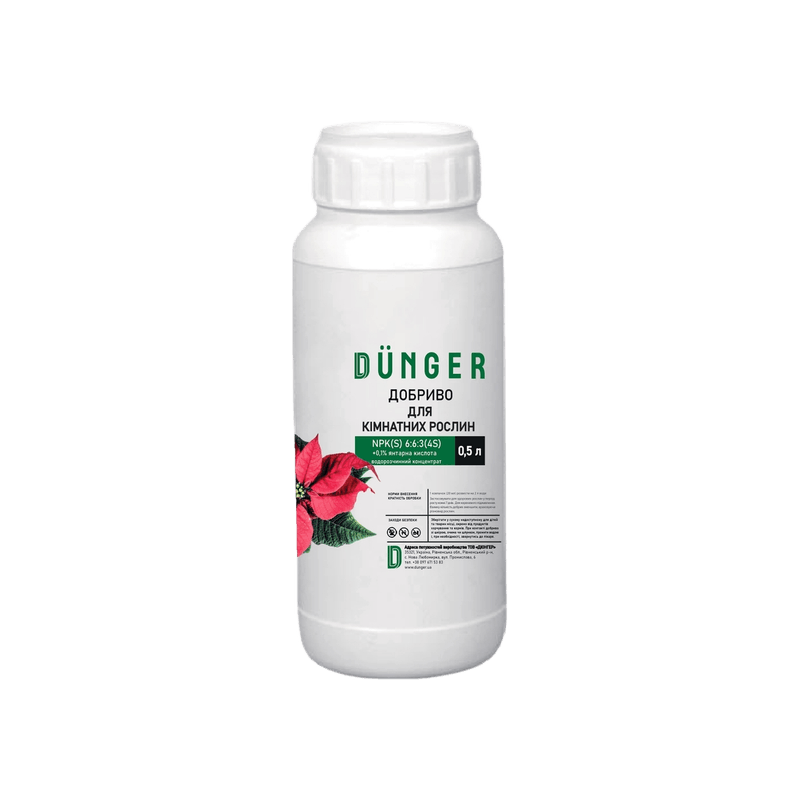
Complex fertilizer for house plants
DÜNGER complex houseplant fertilizer in a 0.5 L bottle. A water-soluble concentrate for root feeding of indoor plants.
This option is considered under the general houseplant group, not as a separate Curcuma-specific feeding programme. Read the full product instructions and match use to the plant's stage. In My Garden, you can organise growing zones and a purchase plan; putting a product in that plan does not mean that it needs applying immediately.
Frequently asked questions
Not necessarily. Ornamental forms can become dormant. Identify the species and examine its previous development and rhizome condition. Sudden tissue collapse in wet compost should not be treated as normal rest.
First establish the species and stage. A resting plant is not watered like a leafy one. Check the ornamental cultivar's storage requirements, avoiding both wet compost and inappropriate complete drying.
Do not treat an ornamental purchase as a food crop. Culinary growing requires the appropriate species and known planting material. The word turmeric on a price label does not establish suitability for eating.
Feeding does not guarantee flowers or cancel dormancy. First check species, stage, light, warmth and root health. Apply fertilizer according to its instructions to a healthy plant growing in suitable conditions.


