


A pineapple in a pot needs a clean, airy growing medium that retains useful moisture while releasing excess water. The name on the bag is only part of the decision. The same mix behaves differently in a small nursery pot, an oversized decorative container and a pot standing beside cold winter glass. Choose the medium together with the container and the position where the plant will live.
In a Ukrainian home, pineapple is a warmth-loving container plant. Advice for a tropical field does not automatically suit a windowsill. First establish whether your plant has roots, how much light it receives and where water goes after watering. Fertilizer cannot replace suitable growing conditions, and a larger pot does not by itself guarantee fruit.
For more about ingredients and differing indoor plant requirements, see the guide to choosing a growing medium for houseplants. Apply those principles alongside pineapple’s terrestrial growth and need for good drainage.
Why pineapple needs more than a bag of bark
Pineapple belongs to the bromeliad family, but it is terrestrial. Members of that family do not all grow in the same way. A coarse orchid bark mix is not automatically appropriate simply because both plants have tropical associations. Pineapple roots need air, accessible moisture and support for the growing rosette. Match the material to the actual plant rather than to a broad family label.
Dense soil dug from the vegetable bed is not a ready-made alternative. In a container it may compact, remain wet and bring unwanted organisms indoors. A short ingredient list does not necessarily mean predictable performance. Starting with a clean container mix allows you to read its properties and observe its response to watering without also managing unknown garden soil.
Read the bag before changing the recipe
Look at texture, ingredients and the manufacturer's guidance. The medium should drain rather than becoming a dense wet mass when moistened. Bulky ingredients help create pore spaces, but a reference to grit or bark on a label does not prove that every proportion suits your pot. Compare what is actually in the bag, not only the plant photograph printed on the front.
Check separately whether fertilizer is included. A fresh pre-fertilized mix and an uncharged medium call for different decisions about later feeding. Keep the name or a photograph of the label. This makes it easier to avoid adding another complete feeding programme merely because repotting seems a convenient time to perform every care task at once.
Do not choose only by the word acidic, or try to adjust acidity with an improvised kitchen mixture. Acidity is one characteristic of a medium, not a substitute for examining drainage. Vinegar and random household additions do not provide reliable control over the root environment. If the label leaves suitability unclear, ask the manufacturer about the particular mix and the plant you intend to grow.
Match the pot to the roots you have
An established pineapple and a crown without developed roots do not need the same container. A very large pot around a small plant leaves a substantial volume of medium that can remain wet for too long. Avoid buying the largest decorative pot just because a photograph shows an impressive mature plant. Consider the existing root ball, the stability of the rosette and the possibility of careful repotting later.
The inner pot needs open drainage holes. A decorative outer container is practical only if you can remove the plant or empty the remaining water. Test access before filling it: a heavy pot carrying wide leaves is awkward to tilt over a floor. A workable watering arrangement reduces the temptation to leave a reservoir of excess water underneath the roots.
A fresh crown is not an established plant
A crown taken from a purchased fruit first needs preparation for rooting. Remaining fruit flesh at the base and buried leaves create avoidable problems. Do not treat an unrooted rosette as though it already has roots throughout the pot. Assess its condition separately, without expecting every fruit purchase to produce a rooted plant within the same number of days.
For a rooted pineapple bought in a pot, check how the root ball holds together and whether repotting is needed now. Avoid breaking healthy roots simply to replace all the existing medium with a different mixture. Soft tissue, an unpleasant smell or persistent waterlogging calls for assessment of the plant's condition. Adding a fresh layer on top does not resolve a problem deeper in the pot.
Repot without making the medium dense
Prepare a clean container, your chosen medium and a place where you can handle the stiff leaves safely. Check the holes and moisten excessively dry mix according to its instructions. Position the plant securely without burying its leaves or the centre of the rosette to hold it upright. Work material gently around the roots instead of compressing it into a hard, solid mass.
Afterwards, check the drainage and empty the saucer. Photograph the planting level and retain the mix name so later changes can be compared with the starting condition. Constantly lifting the plant to look for new roots is not useful observation. Follow its stability, foliage and the behaviour of the medium while keeping disturbance to a minimum.
Let the medium guide watering
Check moisture before watering. Water disappearing quickly from the surface does not mean the entire root ball has already dried. Inspect the saucer, compare the weight of the pot and examine the accessible medium. Use these observations together, rather than watering every Monday regardless of the room, the weather or the amount of light reaching the leaves.
Moving from a warm bright position to a cooler one can change water use. In Ukrainian homes, short winter days, cold window surfaces and central heating can produce contrasting conditions within one room. Do not try to compensate for slow growth by repeatedly adding water. Check light, temperature and root-zone conditions before deciding that a change in the watering quantity is needed.
When the mix name is not the main problem
A permanently wet root ball, water trapped in the outer pot and deterioration at the base need attention to drainage. However, a few unattractive leaf tips do not prove that the whole mix is wrong. Consider watering, recent moves and room conditions. Changing medium, feeding and light all at once without understanding the problem makes the effects harder to interpret.
If you arrange pineapple with other decorative plants, retain its own inner pot. Its neighbours may need a different watering routine. An individual container lets you manage its root environment even when the display looks like one composition. Water applied to a thirstier neighbouring plant should not collect unnoticed around the pineapple's roots.
What a suitable medium can achieve
A good mix supports the root environment; it does not guarantee flowering by a particular date. Plant size and origin, light, warmth and care also matter. Establishing steady growth is a sensible first aim for a home-grown pineapple. Flower-forcing methods are a separate subject and are not needed to choose an appropriate container and growing medium.
Consider nutrition after assessing the medium
For an established healthy indoor plant, account for the mix's initial nutrient charge and previous applications before choosing fertilizer. An unrooted crown, a deteriorating base or a cold wet root ball is not a reason to add concentrate. Feeding and correcting unsuitable growing conditions solve different problems.
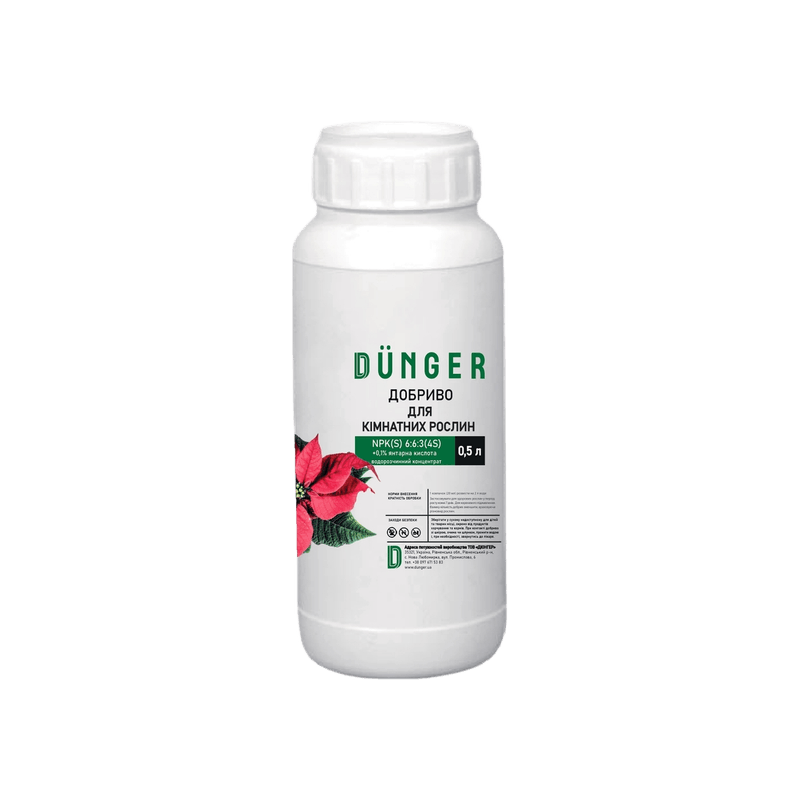
Complex fertilizer for house plants
This liquid concentrate comes in a 0.5 L bottle for the home plant collection. Before using it for pineapple, compare the complete instructions with the plant's condition and growing method. Do not transfer a recipe from another fertilizer or a feeding schedule intended for a tropical field.
Do not exceed the recommended doses of fertilizer, as this can lead to injury or death of plants. Do not use with other fertilizers. Under no circumstances should plants be fertilized when the soil is dry.
For other growing spaces around the home and garden, organise purchases separately in My Garden. Add zones and measurements for the appropriate crops, keeping one pot's requirements distinct from those of outdoor beds.
Questions about pineapple growing medium
Do not assume it will behave as a suitable container mix. It may compact and drain poorly in a pot. Choose clean material with predictable structure, and assess it together with the container's drainage.
Match the container to existing roots and the plant's stability. A large volume of wet medium around a small rosette does not prevent overwatering. Plan the next move according to root-ball development.
No. It cannot open blocked holes or release trapped water. Establish appropriate root conditions first, then assess nutrition separately using the plant's condition, mix and complete product instructions.


