


Most indoor succulents benefit from a loose mix that lets water drain and air return around the roots after watering. Choose the mix and pot together. A handful of the same substrate dries very differently in a small unglazed pot at a sunny window and in a large plastic pot several steps back. Before buying a new mix, identify the plant, check for a drainage hole and find out how long the soil at root depth stays damp.
Identify the succulent before choosing a substrate
Common indoor echeverias, many desert cacti and jade plants often suit a mix with visible coarse mineral particles. Spaces between particles allow the mixture to drain without becoming a dense wet mass. Read the nursery label if you are uncertain which plant you have. A desert cactus and a forest epiphytic cactus can have different growing requirements. Use what you know about the particular plant rather than treating all fleshy stems or leaves as a single group.
If you are thinking about planting a group in a low dish, compare how much light and water each plant needs. An echeveria looking for a brighter position can be a poor match for a plant you need to protect from intense sun. Separate inner pots are often easier to move and let you water or inspect each plant as needed. If one plant struggles, you can work on that pot without uprooting the rest of the display.
Compare bagged mix, perlite, pumice and coarse sand
A bagged cactus and succulent mix is a useful starting point. Open it and check whether it contains particles of several sizes and whether it has become compacted during storage. The label cannot tell you how the mix will behave in your room. Wet a small sample to check whether it stays loose. If it holds together as a dense, soggy lump after squeezing, test it more carefully before using it for a small root system.
- Perlite is light and creates air spaces. Dampen it before blending to reduce airborne dust.
- Pumice has porous particles and contributes weight to the container. This can help when a narrow pot and a heavy top are easy to tip.
- Coarse sand adds weight and can form part of the mix. Very fine sand can fill air spaces instead. Choose a clean horticultural component of known particle size.
- Bark, coir or another organic base holds part of the water. The useful amount depends on the species and growing conditions. Test the complete mix rather than judging any one ingredient in isolation.
Garden soil behaves differently when held in a pot, even if it is loose and dark in a garden bed. Repeated watering can compact it and limit air around the roots. Start with a clean growing medium intended for containers and adjust its texture if needed. See the guide to soil for flowers in beds and containers for the wider differences between a garden soil and the conditions inside a small pot.
Test how the mixture wets and dries
Put a small amount of the mix in a draining pot, wet it and let the excess run out. Look for water lingering on top, dry mix drawing away from the walls or a core that is still dry after water comes out at the bottom. Water can run quickly down the sides of a dry root ball without wetting its centre. Stir a sample and repeat the wetting test if the first attempt leaves damp and dry pockets.
Set the test pot where the plant will live. Check below the surface after the top begins to look dry. A dry top over a wet base is a reason to wait before watering again. Lift the pot after it has drained and compare it later when the mix is dry. Learning the difference in weight gives you a quick cross-check alongside what you see and feel at root depth.
Match the pot to the root system
Choose a pot big enough to hold the roots and support the plant. A much larger container leaves a volume of wet mix beyond the roots, where it can dry more slowly. If a tall plant tips, choose a more stable shape or heavier material before buying a far larger pot. In warm light, an unglazed clay pot can lose moisture faster. In a cooler position, a plastic pot can retain moisture longer.
Keep the drainage opening clear. Gravel at the bottom does not replace an opening for water to leave. If you prefer a decorative container without holes, keep the succulent in a separate inner pot that drains. Lift out the inner pot for watering, allow the excess to leave and empty the outer pot or saucer before setting the plant back. This preserves the look you want without asking roots to sit in water.
Repot if the old root environment no longer works
A plant that tips, roots that have outgrown a pot or a collapsed mix that remains wet can justify repotting. Prepare a clean container, mix, protection from spines and a surface where you can inspect the roots. Support the plant rather than lifting it by a fleshy leaf. Ease off loose old material without breaking good roots. Set the plant securely and leave space at the rim for water without packing the fresh mix into a hard mass.
Take a moment to look at the base of the stem and the roots before setting the plant back on the shelf. Soft dark tissues in a wet root ball call for separate assessment. Feeding will not correct persistent waterlogging. For a healthy plant, use its species requirements, root condition and the moisture in the new mix to choose how to water after repotting. Roots that have been substantially damaged need time to recover.
Adjust watering to the actual window or balcony
Inside a Ukrainian apartment in winter, a warm window above a radiator can dry a pot much faster than a cool sill with little direct light. Test moisture at root depth rather than watering every plant on one schedule. When a healthy succulent in a free-draining mix needs watering, wet the root ball evenly, let water drain and remove it from the saucer. Wait until the growing medium has dried appropriately for that species before watering again.
If you move a plant onto an open balcony for the warmer season, introduce stronger light gradually. Check rain exposure too. A pot left where rain can fall into it may receive water more often than you planned. During cloudy weather it may dry much more slowly than it did in bright sun. Adjust where the pot stands or when you water before assuming you need a completely different mix.
If the mixture wets properly but the pot stays heavy for a long time, check for water in the outer pot, a blocked outlet or a container that is disproportionately large. If the pot seems to dry extremely fast, check that water actually reached the middle before changing the ingredients. A small sample test and a look at the root ball can help you tell a substrate issue from a watering technique issue.
Keep plants with different requirements separate
If the mix drains freely but growth leans strongly towards a window, review the light before replacing it. A holiday cactus benefits from filtered light and a more even supply of moisture, while keeping drainage. A tropical foliage plant has its own requirements too. The guide to potting mix for dracaena gives a separate starting point for that houseplant.
If you also prepare other soil mixtures
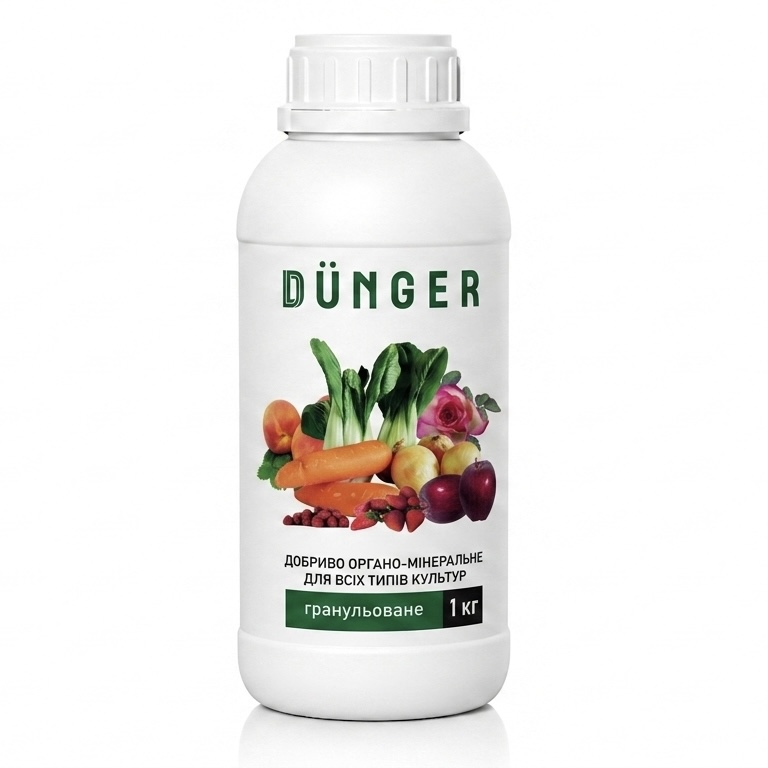
Organo-mineral fertilizer for all types of crops granular
This fertilizer includes directions for preparing soil mixtures where added nutrition is appropriate. First check what the mix is for and what the bag already contains.
For an indoor succulent, begin with the right pot and porous medium. Fertilizer does not create drainage. If you plan to use the product for another planting, check the complete directions and compare pack sizes.
Questions about succulent potting mix
Perlite is useful for changing the structure of a mix. For long-term growing, choose a medium that holds the plant, allows excess water to escape and leaves air around the roots. A purely mineral system needs a separate plan for watering and nutrient supply suited to that plant.
Wrinkling is a signal to check whether the plant can take up water. If the mix is wet, look for water sitting in the pot and check root condition before watering again. A dry root ball and an injured root system call for different steps.
Read the mix label first; some products contain nutrients already. Light, water and healthy roots matter immediately after repotting. Assess feeding separately when the plant is healthy and growing, and choose directions appropriate to the plant and container. Outdoor bed rates do not transfer to a small pot.


