


Choose a slightly acidic mix for container citrus that wets evenly, releases excess water and retains air around the roots. Its behaviour matters more than a picture of a lemon on the bag. A lemon, kumquat or mandarin in a pot draws water and oxygen from a limited volume. Evaluate the mix together with pot size, drainage holes and the conditions on your windowsill or balcony.
What to look for in a bagged mix
Start with a citrus mix or another potting product whose properties are suitable. Read the ingredients, intended use and any stated pH. Look for a mix that remains porous when wet, rather than one that merely feels light when dry. Coarse prepared bark, perlite or pumice can help preserve pore space, but the presence of a particular ingredient does not tell you how the whole mix will behave. Check that the medium is designed for drained containers rather than for holding large amounts of water for a long time.
A cactus label is not a guarantee of the right structure. One mix may contain a fine base and another may dry much more rapidly. Citrus needs moisture without persistent saturation, and the mixture should not dry faster than you can check it. Compare the characteristics of the particular products available to you. When choosing supplies for several plants, apply separate criteria for soil for flower beds and pots rather than using the same bag everywhere.
Why garden soil behaves differently in a pot
Roots and water in the ground are not restricted by the walls and base of a container. In a pot, compacted garden soil can stay wet for longer and leave less air around the roots. A dark colour or a crumbly appearance before watering tells you little about how well it drains afterwards. Judge a container mix by the movement of water and its drying behaviour. Do not recreate a heavy garden soil in a pot simply because outdoor trees grow well in it.
Try the mix before using the whole bag
If you have not used the product before, place a little in a clean small container with holes. Moisten it according to the bag directions. Observe whether water wets the surface, runs along the wall or leaves a dry clump inside. After drainage, gently loosen a small portion to see whether it has turned into a dense paste. This is not a laboratory test or a prediction of drying time in a large pot. It is a useful first observation of how an unfamiliar medium wets.
Find out whether fertilizer is included. Keep the label so you can check the ingredients and feeding directions later. Do not add several sources of nutrients together by habit. A fresh mix with an initial fertilizer charge and an older mix without recent feeding call for different decisions. A pH figure on a bag or bottle of fertilizer does not replace information about the medium in which the tree is growing.
Fit the container to the actual roots
Choose a size after looking at the rootball. A much larger pot can leave a volume of unused medium that stays wet for too long. A tall tree needs stability, but stability does not necessarily require a greatly oversized container. Check whether you can move it safely and whether a flat surface blocks the holes. If you use a decorative pot without an outlet, put a separate draining pot inside it and empty the water that collects after irrigation.
A layer of stones does not create a way out for the water. If water remains in the container, first check its outlets and the saucer. Do not try to correct a blocked hole by changing the mix. When repotting is warranted, keep the rootball at about its previous depth, fill around it without compacting it heavily, and leave watering space below the rim. If you find soft or damaged roots, investigate that issue on its own before deciding on a feeding programme.
Check the old rootball and the new mix separately
After repotting, water may move quickly through loose new mix while the old rootball remains relatively dry. The opposite can also occur when old fine material in the centre holds water longer. Do not rely on water in the saucer or the surface appearance alone. Check accessible areas next to the old rootball and near the container edge. Learn how heavy the pot feels after drainage and how that changes before you water again. Use the observations to adjust your routine as the roots develop.
Adjust for a Ukrainian apartment and balcony
On an exposed sunny balcony in summer, wind and warmth can increase drying. After a move indoors, lower light can make a summer watering routine excessive. The same pot can behave differently beside cold glass and close to a radiator. Look again after moving the tree. Base your next watering decision on moisture, leaf condition and drainage, rather than on a fixed weekday. If the window or balcony becomes colder, pay attention to the root environment as well as the air around the leaves.
When moving citrus outside, consider the local risk of frost and acclimatise it gradually to brighter conditions. Plan ordinary repotting for a period when the plant has suitable conditions for growth. Investigate standing water or damaged roots earlier rather than waiting for a calendar date. Moving the tree, changing the container and adding fertilizer on the same day make it harder to tell why leaves fall if the tree reacts poorly.
If you are preparing an uncharged mix
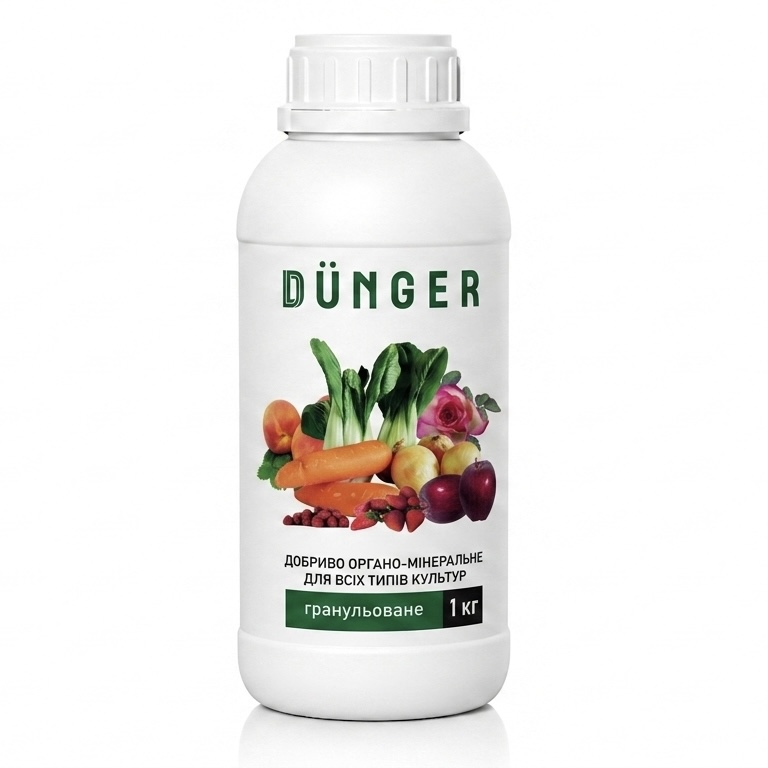
Organo-mineral fertilizer for all types of crops granular
Consider these organo-mineral granules only as a separate nutrient input when preparing a growing mix. The granules are not potting medium and do not replace drainage or an appropriate pH. The product has an instruction row for preparing soil mixtures. For a citrus container, check the full directions and confirm suitability and rate for your specific mix before use.
The catalogue lists 1 kg and 5 kg pack options. Compare them with the amount actually needed. Do not automatically add granules to a commercial mix that already contains fertilizer. A field planting-hole rate does not apply to a container, and the weight printed on a pack is not the amount to use in one repotting.
What to check when a repotted tree declines
Review what actually changed. Compare light, temperature, drainage and moisture in and around the old rootball. Inspect the decorative pot for collected water. Do not add fertilizer solely because a leaf is yellow. If the mix is wet, allow it to drain and investigate the roots if the tree does not recover. Photograph the plant, pot and substrate label when asking for advice. This helps distinguish a container problem from a mix or feeding problem and avoids replacing a suitable medium unnecessarily.
Frequently asked questions
Consider a general-purpose container medium if it is slightly acidic, drains well and remains porous after watering. Check what the manufacturer actually says and how the medium wets. An all-purpose name alone does not establish suitability.
Water needs a clear outlet, and the saucer must be emptied. Expanded clay does not replace drainage holes. Judge the whole pot and mix combination rather than the thickness of a layer at the bottom.
Inspect the rootball first. If roots have filled the space and the plant needs repotting, choose a modest increase. Consider stability and whether you need to carry the tree between an indoor room and the balcony.
First check any fertilizer in the fresh mix and the condition of the plant. Feeding does not correct standing water or insufficient light. If more nutrition is appropriate, use the directions of a product suitable for the intended application.


