


A single lower Phalaenopsis leaf that slowly turns yellow all over may be aging normally. Look more closely if several leaves change at once, a young leaf in the middle yellows, or a soft wet patch appears. Check where the change started, how fast it spreads, the state of the roots and what has recently happened to the pot. Color alone cannot tell you whether to water, move or repot the orchid.
When to watch the plant for a while
If the oldest leaf at the base is yellowing while the others are firm, the crown is dry and the roots look healthy, take a photograph and carry on with the usual care. The occasional loss of a lower leaf can happen when a new one is developing. Leave it attached while it still holds firmly. Pulling it off early can injure the tissue at the base. At the next check, see whether the change is still confined to that leaf and compare the new growth.
Speed matters. A patch that looks the same in several photographs calls for a different response than one that expands noticeably in a short time. Photograph the same side in similar light. Note the date and when you last watered. If a second leaf begins to yellow or the center softens, inspect the roots and crown.
Several leaves are yellow: check the roots and bark
In a clear pot, the outer layer of a dry healthy root can look silvery and turn green after watering. Firmness matters more than the color alone. Soft, hollow or disintegrating roots need attention. If the leaves lose firmness while the bark stays wet, more water can make things worse. Damaged roots cannot take up water well even in wet mix.
Lift the inner pot out of its cover and look at the bottom. Pour off any standing water. See whether the bark pieces are intact or whether they have broken down and filled the air spaces. If the pot is heavy, the bark stays wet and some roots are soft, inspect the root ball and replace degraded mix with an airy orchid medium if needed. Roots above the rim are normal. Leave them intact even if they grow outward or look silvery.
If the mix is dry inside the pot, the pot feels light and visible roots are firm, watch how water enters the bark. It can run straight down the sides without wetting the center. Allow the pot to drain fully and do not leave it sitting in water. Base the next check on the condition of the mix. See how to tell when a Phalaenopsis needs water for more on this.
A dry patch by the glass: check light and temperature
A pale, dry patch facing a window may turn brown after a sudden move into stronger sun. Check whether someone moved the pot, removed a curtain or changed its exposure. Give the plant bright, indirect light away from hot direct sun. Leave a firm patch intact and watch its edges. A patch that becomes wet or expands needs another check.
In a Ukrainian apartment in winter, the same pot may sit over a warm radiator and close to cold glass. Measure the temperature near the leaf rather than in the middle of the room. Keep the plant out of the direct draft when you open the window. If you carried it home in freezing weather, note that and give it stable indoor conditions. As spring sun gets stronger, check the light at different times, particularly at a south or west window.
A spreading wet patch or a soft crown needs prompt attention
If a wet patch grows or darkens, or a young leaf softens at the base, set the plant apart and check the crown. Gently blot any water left in the center after watering. Keep water off the leaves and avoid using a shared tray. Wet damage has several possible causes, and a photograph may not identify the pathogen. Ask an orchid specialist to assess a rapidly spreading spot or a damaged crown.
Include photographs of the whole crown, the underside of the leaf, the roots and where the leaf meets the stem. Note when the change began and whether it is spreading. Avoid mixing treatments or treating every pot on the windowsill before identifying the problem. Reassess promptly if nearby tissue softens.
Look under the leaves and at nearby plants
Small pale speckles, sticky marks or visible bumps beneath a leaf are reasons to look for pests. Inspect the lower leaf surface and leaf axils in good light. Compare the orchid with a nearby plant and keep tools separate until you understand the cause. A sticky droplet alone is not a reason to treat every pot. Photograph multiple or recurring signs, and isolate the plant while you identify them.
Two plants can show the same color for different reasons
In one pot, only the oldest leaf is slowly going yellow. The bark dries, the roots are firm and a fresh leaf is growing at the center. You can watch that plant. In a second pot, two leaves are yellowing and water stays in the cover after each watering. Start by restoring drainage and inspecting the roots. For a dry patch after a move to stronger sun, reduce the exposure and see whether the margins stabilize. If the damage is instead wet or spreading, inspect the crown and roots again.
If you cannot tell whether heat or cold came first, compare a leaf facing the glass with one facing the room. Check conditions when the radiator is running and when the window opens. See whether other pots on that sill show similar changes. This narrows the possibilities while you still check the roots and crown.
Make the first change that fits what you find
- Compare leaf position, roots, moisture and any recent changes.
- Make one relevant change, such as removing standing water or moving the pot out of hot direct sun.
- Record the date and photograph the leaf. Watch the rest of the plant.
- Return to feeding when roots are healthy and the plant is actively growing. Choose a fertilizer with orchid directions.
New leaves and roots are better signs of recovery than the color of a leaf that already turned yellow. See basic orchid care at home for the general routine. If the leaves are healthy but the plant has not made a spike, look separately at why a Phalaenopsis may not rebloom.
Feeding other pots separately
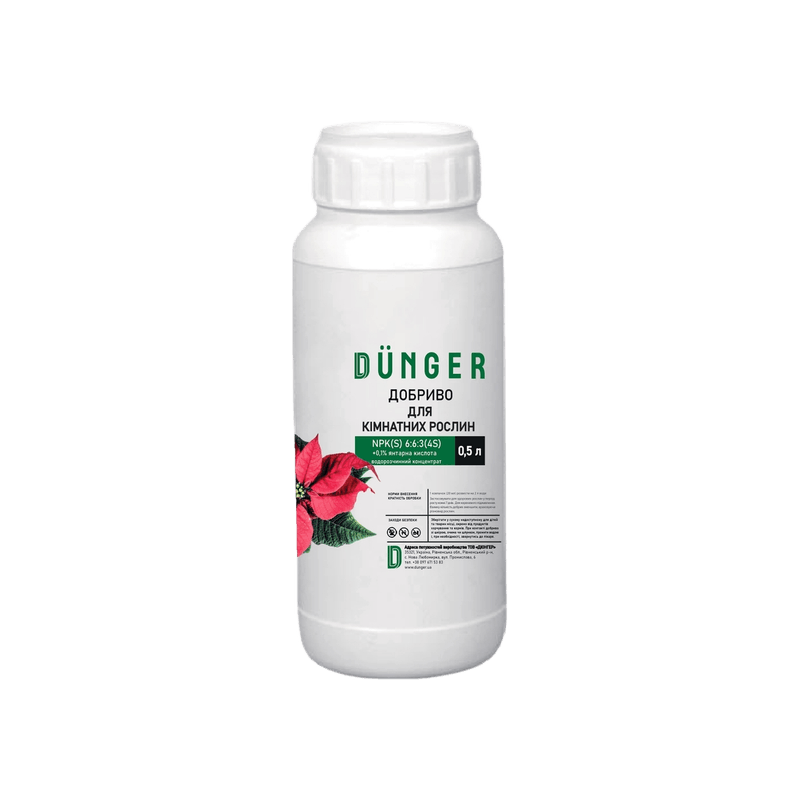
Complex fertilizer for house plants
While you inspect the orchid, look at the other plants on the windowsill separately. If a healthy, actively growing ficus or dracaena needs nutrition, consider the DÜNGER liquid complex for houseplants. Both are named in the label group. Check the root-feeding method and select only the pots that match the directions.
The 0.5 L bottle contains concentrate. Read the complete directions before buying and prepare the solution separately for the chosen plants. For a Phalaenopsis after recovery, choose a product with orchid directions. Use what you find on the leaf and roots to choose the first action.
Frequently asked questions
If it is changing gradually and the rest of the plant looks healthy, leave it until it separates easily. Inspect promptly if a wet patch spreads or the leaf base softens.
Check the roots and bark. Damaged roots and decomposed, wet mix can call for repotting. One aging leaf with no other symptoms does not give enough reason on its own.
Find the cause first. Fertilizer cannot repair damaged roots or sunburn. Once the orchid resumes healthy growth, check whether it needs feeding and use directions for orchids.


