


An African violet is easier to care for when you watch the changes in its rosette. Firm leaf stems, steady new growth at the centre and a potting mix that dries gradually tell you more than the presence of flowers on one particular day. African violet is also sold as Saintpaulia, the name used for a section within Streptocarpus. It needs bright, indirect light, a small draining pot and water based on the condition of the mix. It is a different plant from garden violets in the genus Viola.
Give the rosette steady, indirect light
Set the plant near a bright window without long periods of hot sun on its leaves. An east-facing window or a bright north-facing one can work. A tree, balcony overhang, adjacent building or distance from the glass can change how much light the plant receives. In a flat in Polissia, the sill can cool quickly when you open the window on a winter morning. On a sunny southern sill in the Ukrainian steppe, even a cool day can bring a hot patch of light. Look at the spot at different times before choosing.
If the plant leans to one side, check where the light is coming from. Give it brighter indirect light or rotate the pot occasionally once conditions are stable. Long leaf stems and weak flowering may suggest insufficient light. Bleached or dry patches on the side facing the glass can occur where direct sun strikes. Check both light and moisture, then look for improvement in the new leaves. Existing marks will not disappear when you move the pot.
A grow light can supplement a dim window. Adjust its distance and schedule based on the fixture and how the rosette responds, and allow a dark period. If the centre becomes unusually tight or the leaves look paler directly under the light, increase the distance gradually. Photograph the plant from the same angle and compare after a new leaf has grown. This is more useful than trying a different light setting every day.
Water a small pot according to the mix
Touch the mix near the pot edge and lift the container. The top can feel dry while the lower part still holds water. When the pot is lighter and the surface has begun to dry, water with room-temperature water, then let the excess drain. Check more often when the heating comes on, but make sure a cool, dim sill does not keep the mix wet for too long. Do not water simply because it is your usual day.
Top watering, bottom watering and wicks
For top watering, choose a narrow spout. Direct the water onto the mix at the edge and keep it out of the crown and off the leaves. For bottom watering, set the pot in a shallow dish of room-temperature water. Once the mix has taken up enough, lift the pot and let it drain. Empty water from the saucer or decorative pot. The growing pot should not sit in water all the time.
A wick works with an airy mix and a pot held above the reservoir. If the mix is dense, a constant supply can leave too little air for fine roots. Do not switch to a wick because the plant wilted once. First find out whether the root zone went dry or remained wet while the roots struggled. The guide to potting mixes for houseplants explains broader choices. For a violet, consider its fine roots and compact pot.
Choose a compact pot and an airy mix
Use a light mix that holds some moisture but allows air and drainage. Heavy garden soil can compact in a small pot. The guide to soil for flower beds and pots compares the needs of different locations. For this violet, make sure water leaves the holes easily and that no lower layer stays saturated. Choose a small container reasonably close to the size of the root ball. Excess mix around it can hold water for longer.
A routine change of mix can be worthwhile when it compacts or salts build up. Inspect the root ball, move it carefully into fresh mix and keep the crown above the surface. Do not bury the leaves. After repotting, watch how excess water drains and wait for growth to resume before changing how you feed.
Keep the plant away from a hot stream of air. Grouping plants or placing the pot above a pebble tray can help keep the surrounding air from becoming too dry, as long as the pot base stays out of the water and air can move between the rosettes. Routine leaf misting is unnecessary. If condensation builds on the window, check whether the plant is in a cold, damp pocket.
Check the size and shape against your own plant
A miniature and a standard African violet need different amounts of space. Compare the pot with the roots and use the cultivar's usual habit as your reference. A crowded shelf can hide yellowing leaves, keep air from moving and make it harder to water accurately. Leave enough space to lift each pot and look at its underside. If one pot stays heavy while its neighbours dry, check that pot's holes and mix before changing the schedule for every plant.
Work through the reasons a violet is not blooming
- Check the light. If the rosette is healthy but reaches towards the window without forming buds, try better filtered light first.
- Check moisture. Soft, dull leaves together with wet mix give you a reason to look at the drainage and roots.
- Compare old and new growth. An isolated ageing outer leaf is different from simultaneous changes in the centre.
- Read the potting mix label. Account for any starter nutrition. Check whether the rooted plant actually needs additional feed.
After changing the location, watering or mix, let the plant grow some new leaves. Watch their size and colour. If the centre is distorted or there are insects or cottony white deposits, separate the pot from the others while you identify the cause. Wet roots, insufficient light and pests call for different responses.
If recovery seems slow, keep brief notes beside the pot. Record when you watered, how light the pot felt, whether you moved it and which leaves grew afterwards. Several observations can tell you more than changing the pot, moving it under a stronger light and starting new fertilizer on the same day. If the plant is healthy and the flowers are simply between displays, check for new buds before making another change.
Root feeding for a healthy African violet when needed
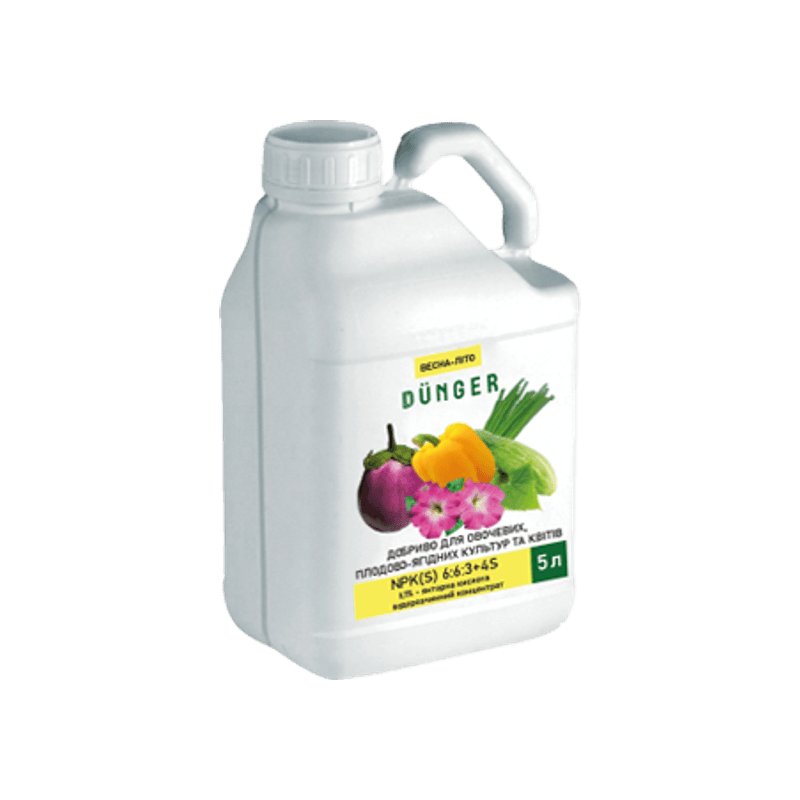
Complex fertilizer for vegetables, fruit and berry crops, and flowers
For an established violet growing actively in a suitable mix, check which nutrients the mix already supplies. If supplemental feed is justified, consider this liquid DÜNGER concentrate and consult the full instructions for root feeding flowers in a growing mix. Give a struggling or recently repotted plant time to recover and grow before reviewing its nutrition.
This is a 5 L canister. Consider whether the pack makes sense for one small pot. If you have several compatible flowering plants, plan for the ones that genuinely need feeding.
Frequently asked questions
Hold off watering. Check the holes and empty any standing water from the outer pot. Inspect the roots and crown, particularly if the leaves are soft or there is an unfamiliar smell.
Yes, where the light is filtered and the leaves do not overheat or rest against cold glass. Check during sunny hours. Move the plant farther from the window or use a light curtain if necessary.
Check the new mix and wait for active growth to return. Include any starter nutrients already in the mix in your decision. On a healthy, growing plant, choose a feeding method that matches the product directions and the plant's needs.


