


The plant sold as indoor or lucky bamboo is usually Dracaena sanderiana, not a true bamboo. Its green canes and narrow leaves can be displayed in water or grown in a potting medium, but the two arrangements need different care. First establish what surrounds the roots: water and pebbles, potting mix, or an inner pot hidden inside a decorative container. Watering, inspection and feeding decisions follow from that answer. Similar green tops do not prove that the roots underneath share the same conditions.
Identify the plant and inspect the arrangement
Dracaena sanderiana has fleshy green stems with visible nodes and narrow leafy shoots. Shop arrangements may contain straight, spiralled or braided canes. Their shape does not establish root health or promise special growth. Keep the plant label. If yours is a true bamboo from another genus, do not transfer this dracaena guidance to it. Nor does the symbolic number of canes determine how much water or fertilizer the living plant needs.
Before buying, inspect the base for firmness rather than softness or an unpleasant smell. Check for roots, tight decorative ties and access to the centre of the arrangement. A tall opaque vase can hide the root system and its condition. Ask to see inside rather than choosing solely for an attractive curve. Keep the species name and the previous growing arrangement, especially when accepting a gift that arrived without care information. A clean accessible container makes later checking much easier.
Bright indirect light rather than scorching sun
Choose a position with bright indirect light. Strong direct sun can damage foliage, so check protection and the actual light pattern through the day at a sunny window. A distant dark shelf does not become suitable just because old leaves remain green for a while. Watch new growth and consider the distance from the window. A tall arrangement should not press leaves against glass or a hot lamp. Check where the top of the plant sits, not only its container.
In Ukrainian homes during winter, cold window glass and hot air from a radiator can be close together. Avoid leaf contact with cold panes and sudden cold draughts during ventilation. Check the chosen place in the morning and evening after moving the plant. A vase above a heater can lose water faster than one on another shelf in the same room. An enclosed balcony needs a separate assessment of night conditions; daytime warmth alone does not make it suitable for a tropical houseplant.
Water culture needs clean water and accessible roots
Keep the roots covered, rather than merely leaving visible water below them. At the same time, do not fill a tall vase indiscriminately to submerge most of the stems. Pebbles can hold canes upright but do not replace water or keep it clean. Position the vase where it can be removed and washed without dismantling a whole shelf. Weigh a large arrangement together with its water before deciding that a narrow stand can safely support it.
Replace the water regularly; weekly care is a practical starting point for an ordinary home vase. Inspect the vessel, pebbles and cane bases while doing so instead of only topping up. Cloudiness or an unusual smell calls for an earlier check. Use suitable chlorine-free water, choosing an appropriate purified supply if local tap-water quality is uncertain. Look at the condition of this arrangement rather than relying on the name of the water source alone.
Do not add concentrate by guesswork or convert a soil-feeding rate into a few drops. A product intended for watering potting mix is not automatically suitable for roots permanently kept in water. Feeding a water display requires a product with explicit directions for that use. Green canes are not a reason to combine several fertilizers. Softening or decay needs assessment as a plant-condition problem before any feeding decision. Adding nutrients cannot restore already rotten tissue or remove the reason it deteriorated.
Growing the same plant in potting mix
A pot needs drainage holes and a suitable loose houseplant medium. The mix should hold moisture while allowing excess water to escape. Check the upper layer for drying before watering again; do not keep the whole root ball continuously saturated. Empty water collected in a saucer or outer container. A soil-grown pot and a water vase are different systems. Flooding the pot does not turn it into a well-managed water arrangement and can leave the roots without suitable conditions.
The number of canes does not identify the right pot diameter. Consider roots, stability and how the medium dries in its actual position. A large mass of wet mix around a small root system is harder to manage. The guide to dracaena potting mix and repotting explores the pot and medium decision in more detail. Repotting is not required solely to change the appearance of a healthy stable arrangement. Identify a root-space or drainage reason first, then prepare the appropriate container instead of changing several things at once.
Check watering rather than obeying a rigid weekday
Lift the pot after watering and drainage to learn its weight. Before the next watering, check the surface and lift it again. Compare changes in the same container, not a heavy ceramic vessel with a lightweight plastic one. If the surface looks dry but the pot remains unusually heavy, investigate deeper moisture and drainage holes. Another watering is not necessary simply because the usual Sunday has arrived. Your room, container and plant determine how quickly the root zone changes.
Before travelling, do not try to store a water reserve by flooding the outer pot. Show the person providing care which arrangement grows in water and which grows in medium. Give each its own checking method. If you use a device that supplies water, test it under the real conditions before leaving. The guide to automatic houseplant watering helps with that separate decision. The first trial should not begin after departure, when nobody can see whether the device is overfilling the pot or failing to reach the roots.
Yellow leaves and a soft base are different warnings
A single dry tip cannot identify a nutrient deficiency. Check direct sun, nearby heated air, water and root condition. If many leaves yellow or the lower cane becomes soft, inspecting the base matters more than buying another bottle. In a pot, start by checking excess-water drainage. In a vase, assess cleanliness and each cane individually. Do not hide worsening symptoms inside a tightly tied decorative bundle. Different canes in the same arrangement may not be in the same condition.
Inspect leaf axils and stems for pests. White clusters, stickiness or fine webbing deserve identification, with the plant kept apart from the rest of the collection while the cause is assessed. Avoid applying a random homemade mixture to an unknown problem. Dracaena is not edible; place it beyond pets that chew foliage. Protect skin when handling sap and clean tools after cutting. Keep the practical goal simple: sound tissue, suitable light and a root arrangement that you can inspect and maintain.
Feeding a healthy soil-grown dracaena
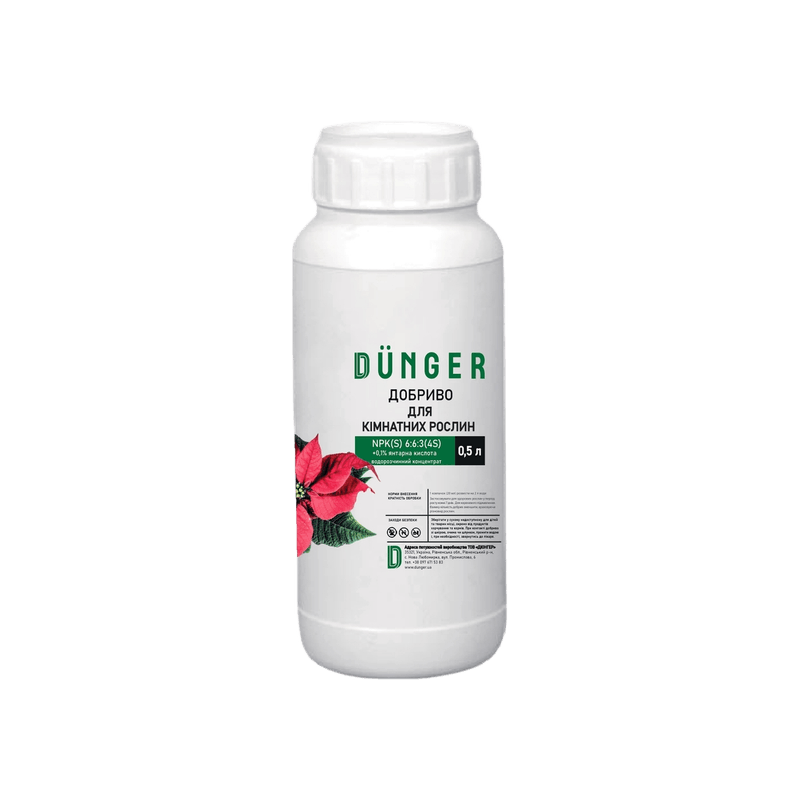
Complex fertilizer for house plants
For a healthy dracaena actively growing in potting medium with a confirmed need for separate feeding, consider this root-feeding concentrate. Its instruction group includes dracaena. Check existing nutrition in the mix and earlier applications, follow this product's complete method and never feed dry soil. Do not combine it with other fertilizers. This is not a recommendation to add concentrate to a water vase or treat a soft cane base. The 0.5 L bottle contains concentrate rather than prepared watering solution. Use a separate indoor zone in My Garden for the crop, plant count and purchase plan.
Questions about lucky bamboo
Only when its own directions explicitly cover that use. A rate for root feeding in soil must not be transferred to a vessel where roots remain continuously in water.
Both arrangements are possible. Assess health, root access and your ability to maintain the container first. One changed leaf tip alone is not a reason to switch systems.
Individual canes may differ in condition, while decoration hides water and bases. An accessible container makes care easier and helps you identify deterioration sooner.


