


Weeping fig and rubber plant both grow well in bright, indirect indoor light, but they show changes in different ways. Weeping fig has small leaves on slender branches and may shed some after a move. Rubber plant has large, leathery leaves that show dust or marks clearly and may also lose leaves if the pot stays too wet. To choose the next step, check its position, moisture inside the pot and the timing of any change.
Find a suitable position for both species
Set the plant where its foliage receives light for a substantial part of the day. A sheer curtain can soften strong afternoon light. A large window alone does little for a plant tucked into a dark corner. Check whether a balcony, tree or nearby building intercepts the light. Keep leaves away from cold glass, and notice where the air moves when you open a window. Check whether the canopy sits directly in that path.
Weeping fig has small leaves, often on slender stems that curve slightly down. If it sheds some leaves after a move but the branches remain firm, check the light and moisture before shifting it again. Choose one suitable, stable place. Moving the pot repeatedly makes it hard to judge whether conditions have improved. Where a move is necessary, track the appearance of new leaves after it settles.
Rubber plant has broad, firm leaves with a noticeable midrib. They can shade the lower part of the canopy, especially when the plant stands to one side of a window. Check new growth and the condition of the stem. One yellowing old lower leaf may be part of normal ageing. If several leaves change in succession or develop dark wet patches, compare the light, temperature and potting mix conditions.
Short winter days and direct summer sun
In a Ukrainian home, the winter day is short and the glass can be cold even when the room feels warm. A plant on a sill above a radiator may be between two different streams of air. Check the position while airing the room in the morning and again when the heating is stronger. Move the plant clear of cold or hot air while retaining adequate light. Direct summer sun can heat the leaves and pot. Soften the light during the hours when the strongest sun actually reaches the leaves.
Water according to the potting mix
Feel below the surface instead of relying on the colour of the top layer. With a manageable pot, compare its weight just after watering with its weight as it dries. If it is still heavy and damp inside, wait. Avoid letting the entire root ball of a weeping fig dry out. Allow a rubber plant's mix to dry somewhat more between waterings. For either species, pot depth, light, room temperature and active growth all affect the timing.
When the mix needs water, moisten it evenly and allow the excess to drain. Empty the saucer or outer cover pot. If the mix has pulled away from the sides and water runs straight down the gap, check whether the centre is still dry. If water stands on top, inspect the drainage holes and the condition of the mix. Small frequent top-ups without checking can leave some areas wet and others dry.
Two pots of the same size can dry at different speeds. A small root system in a large volume of mix uses water slowly, while a well-rooted plant in a tight pot may dry quickly. If a ficus stays wet between normal waterings, check its container and the guide to choosing soil for ficus plants. Before a trip, test any automatic watering for houseplants on the actual container, so you can see whether it leaves the pot standing in water.
What to do after buying or moving a ficus
Note the day of the move and leave the ficus in a suitable stable position. Check whether mites, scales or mealybugs came with it. Look under leaves, along their stalks and where they meet stems. Fine webs, sticky residue or white waxy clumps are a reason to inspect the plant away from the rest of your collection. If the leaves have no suspicious signs and the pot drains normally, watch the new growth. A change of address alone is not a reason to repot, prune and fertilize together.
Work out why the leaves yellow or drop
- Recall what happened first, such as a move, airing the room on a cold day, a watering change or repotting.
- Check moisture deeper in the pot, the drainage holes and the bottom of the outer pot.
- Identify which leaves changed: old ones at the base, new leaves, the side near the glass or the whole plant.
- Inspect the leaf undersides and stems before assuming the problem is nutrition.
- Correct the most evident condition and monitor fresh growth. If dieback continues, investigate further.
If foliage wilts in wet soil, another watering can make things worse. Clear the drainage and allow excess water to escape. If the root ball is dry and the pot has become very light, water evenly and check that any excess can leave the container. If the problem spreads rapidly to new leaves or branches darken, separate the plant from its neighbours and seek a diagnosis before trying a treatment.
Clean broad rubber plant leaves with a soft damp cloth, supporting the leaf with your other hand. Clean foliage is easier to inspect for marks and scales near the veins. Ordinary dust does not call for leaf polish. Avoid snapping leaves, since the white sap that comes out of a fresh break can irritate skin. If the plant needs support, check that the tie does not pinch the stem and the container cannot tip.
Compare new leaves rather than expecting old marks to disappear. If a fresh leaf opens without damage and moisture in the pot follows a steadier pattern, continue the chosen care. If successive leaves become smaller or shoots stretch toward the window, reassess light before changing the feed.
Compare two plants before changing a routine
Suppose a rubber plant by a bright window is growing and gradually using water, while a weeping fig deeper in the same room has dropped leaves although its mix stays wet. Check both pots individually. If the light is poor, give the weeping fig more indirect light and see how long the inside of the pot then takes to dry. Do not copy the schedule of the brighter pot.
In another case the weeping fig loses leaves after a cold draft, with its usual moisture unchanged. Move it out of the airflow and watch. A photo of the same branch can help you tell whether new foliage is staying in place. After winter, check the position in stronger light at different hours. Adjusting the curtain can be enough, without changing the window, container and watering together.
Root feeding for a healthy, growing ficus
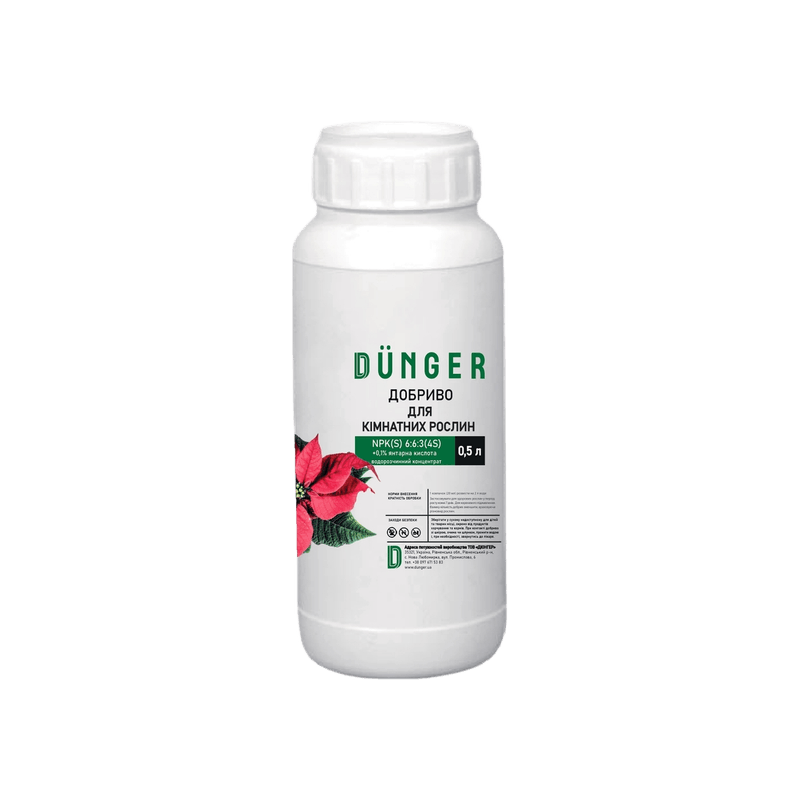
Complex fertilizer for house plants
Once the light and watering are suitable and your ficus is producing healthy new leaves, assess whether it needs root feeding. The DÜNGER houseplant concentrate lists ficus in its indoor plant group. Its method calls for feeding after watering, using the full directions to account for the plant's size and age.
The 0.5 L bottle contains concentrate. Before ordering, check how many actively growing pots you need to feed and consult this product's instructions. Keep it off dry potting mix and do not use it with other fertilizers. Wait until care has stabilized if the plant is still dropping leaves from stress.
Frequently asked questions
It is sensitive to changes in light and drafts. Check the new position and pot moisture, maintain stable conditions and watch fresh growth. Continued deterioration or signs of pests call for a separate inspection.
Lift the pot or check moisture below the surface. If it is still wet, wait. With brighter light and active growth, it will usually dry faster than it does in a cool winter position.
Check light, water, roots and pests first. Consider feeding an actively growing healthy plant only after identifying the problem and restoring routine care.


