


Planting an apple tree well means choosing a site for its mature size, protecting its roots and setting it at the correct depth. A large hole and a generous fertilizer application cannot compensate for standing water or a buried trunk. Before picking up a spade, identify the cultivar, rootstock, pollination requirements and whether your tree is bare-root or container-grown.
Cultivar and rootstock: two decisions together
The cultivar determines the fruit, while the rootstock strongly influences the tree's vigour and size. A familiar apple name therefore does not tell you how much space to leave. Young trees of similar height can mature very differently. Ask the nursery to identify the rootstock, expected mature dimensions and support requirements before choosing a location.
Base spacing on the particular cultivar, rootstock and training system. Allow access for pruning and picking, and consider the future shade on neighbouring plants. A tightly planted commercial orchard with permanent supports is not a spacing template for a few free-standing garden trees. Severe crowding is difficult to correct through pruning alone.
For a Ukrainian garden, match the planting material to local winter conditions and soil. Ask the nursery about experience with that cultivar and rootstock combination in comparable conditions. A photograph of large fruit is not enough. Inspect the bark, graft union and roots for damage, and keep the identifying label for later care decisions.
Plan pollination before buying
Many apples need pollen from a different compatible cultivar with overlapping flowering times. Two trees of the same cultivar do not automatically solve this problem. Some cultivars are self-fertile, while others are unsuitable pollen donors. Check the chosen combination rather than comparing harvest dates alone: ripening season and flowering compatibility are different matters.
A neighbouring apple may provide pollen, but first establish its suitability and flowering overlap. Where space is limited, resolve this before ordering. A reliable nursery's compatibility information is more useful than assuming that any tree nearby will ensure fruit. Keep this decision separate from fertilizer selection, which cannot replace compatible pollen.
Assess sunlight, soil and drainage
Choose a well-lit site and consider shade from buildings and mature trees throughout the day. Avoid low spots where cold air and water collect. Observe the site after substantial rain as well as during dry weather. A dry-looking surface on a hot afternoon tells you little about the drainage conditions that roots may encounter later.
Persistent waterlogging damages apple roots. Resolve drainage problems or choose another position before planting. Digging a deeper hole does not make a wet site suitable. Also consider compacted layers left by building work. The tree needs a viable rooting area around the hole, not simply a small pocket of loose soil surrounded by unsuitable ground.
Testing soil acidity and nutrient status before planting can guide preparation. Changes across the future rooting area are easier before the tree is present. Do not add lime or other amendments solely because the soil looks a particular colour. Use actual results and site conditions to decide what, if anything, needs correcting.
Choose the planting window by conditions
Plant bare-root apples while dormant and when the soil is workable. In Ukraine, the choice between autumn and early spring depends on local weather, winter risks and the condition of the nursery tree. Do not plant in frozen or waterlogged ground. One calendar date cannot serve every garden and every season.
Container-grown trees offer a wider planting window, but hot, dry conditions make establishment harder. Consider whether you can monitor moisture reliably afterwards. If conditions are unsuitable, arrange delivery accordingly rather than leaving exposed roots beside a prepared hole. Buying a tree and having a suitable day to plant it are separate practical decisions.
Keep the roots alive during preparation
Protect bare roots from drying, direct sun and harsh temperatures during transport and waiting. Do not unwrap them early in the wind. If planting is delayed, provide appropriate temporary storage with moist root protection. This does not mean leaving the whole tree standing indefinitely in a bucket of water.
Inspect roots before planting and remove clearly broken or decayed sections with a clean tool. Do not shorten sound roots just to fit a narrow hole. Water a container-grown tree before carefully removing its pot. Woody circling roots need attention; an undistorted root ball does not need to be torn apart unnecessarily.
Distinguish the root flare from the graft
Locate the point where the trunk broadens into its first main roots. This is an important reference for planting depth. The graft union is higher and often appears as a swelling or change in the trunk's shape. It is the join between rootstock and fruiting cultivar, not the point where the root system begins.
Set the first main roots near the final soil surface, with the graft of a dwarf or semi-dwarf apple remaining above ground. Burying the graft can allow the scion to form its own roots and defeat the intended size control. Ask the nursery about the correct graft clearance for its planting material rather than relying on one universal measurement.
Plant step by step
- Make the hole wide enough for the roots to spread naturally. Determine depth from the actual root system.
- Check the tree against the intended finished ground level. A straight board across the hole can help show this level.
- Spread bare roots without bending them upwards, and hold the tree upright. Position any required support during planting.
- Backfill mainly with the soil removed from the site, working it around the roots without leaving large cavities.
- Firm gently, water to settle the soil and recheck the tree's height. Do not compact the backfill into a hard mass.
Do not place a concentrated layer of fertilizer against the roots. Soil contact, moisture and air are the immediate priorities; feeding is planned separately. After settling, soil must not bury the trunk base. If the tree is too deep, correct its position rather than disguising the problem with another layer of mulch.
Early care: water, support and mulch
Check moisture in both the original root ball and surrounding soil, particularly in dry, windy weather. Apply water slowly so it reaches the roots. Amount and frequency depend on soil, rainfall and tree size. Drooping leaves can accompany either drought or waterlogging, so inspect the root zone before automatically increasing irrigation.
Remove competing grass and weeds near the young tree, and keep mulch away from the trunk. Inspect supports and soft ties regularly so they do not rub or constrict the bark. Some dwarfing rootstocks need permanent support. Where animals may damage the bark, provide suitable protection and keep checking its fit as the tree grows.
Initial training depends on the intended canopy and the condition of the sapling. Do not copy the heavy pruning of an old tree. Our spring apple pruning guide explains branch choices. If this planting is intended to replace a neglected tree, first assess restoring an old apple tree and why the existing tree is performing poorly.
Plan nutrition around actual needs
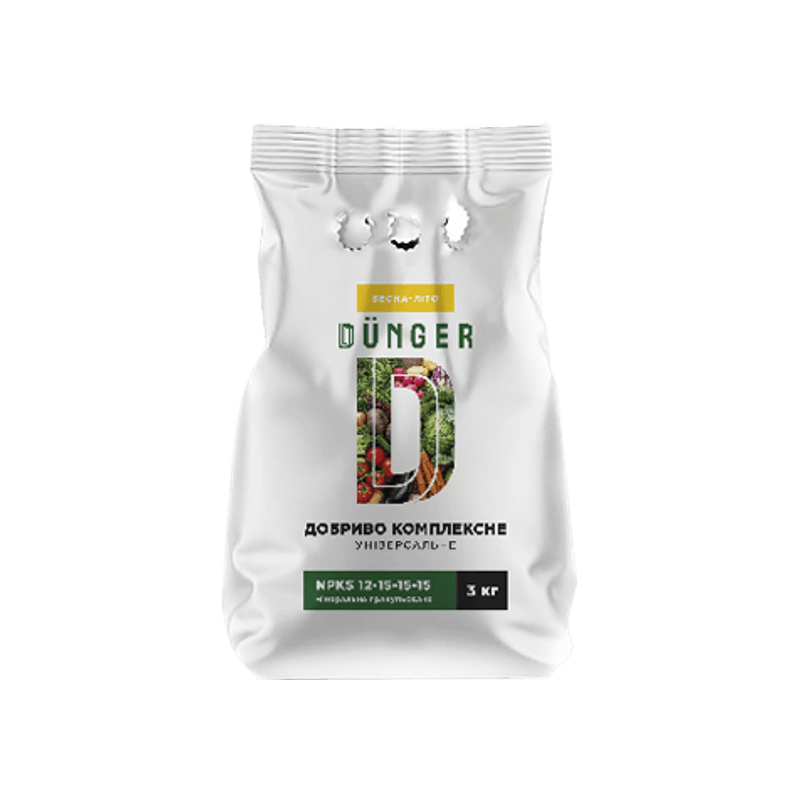
Complex fertilizer universal granular
This granular fertilizer can be considered for subsequent tree care. Its instructions contain the following group:
Leafy trees and buches
45 gr/m²
This is the stated group rate, not a compulsory addition to a new apple's planting hole. Consider soil results, tree condition and earlier applications. Read the full instructions and pack options before deciding what to purchase.
A separate apple tree feeding plan distinguishes young-tree requirements from established orchard care. In My Garden, save zones and their measurements and calculate a purchase using the applicable method. The whole property's area is not necessarily the area that needs feeding.
Apple planting questions
That depends on the cultivar and a suitable nearby pollen source. Check self-fertility, flowering overlap and compatible partners before buying.
Use the first main roots and finished ground level as your references. Do not confuse the graft with the root flare. An unnecessarily deep hole can allow the tree to settle too low.
No. More fertilizer does not replace correct planting and moisture management. Assess the soil and tree, then follow the relevant product instructions when feeding is justified.
Check root-to-soil contact, the support and its ties. Do not bury the trunk to make it stable. Temporary or permanent support requirements depend on rootstock and exposure.


