


For hardy kiwifruit outdoors, choose the species and cultivar first, then a compatible pollinizer, planting site and strong support. Actinidia arguta and Actinidia kolomikta differ from the large fuzzy Actinidia deliciosa fruit sold in shops. A plant labelled only kiwi gives you too little information about its suitability. Keep in mind that a cold-hardy dormant vine can still suffer damage to new growth in a spring frost.
Which kiwifruit should you choose?
Actinidia arguta and Actinidia kolomikta produce small smooth-skinned fruit. Cultivars and selections differ in vigour, ripening time and response to conditions. Ask for the full name, the origin of the plant and observations from a similar climate. Check whether it was selected for fruit or is being sold mainly for decorative foliage. Fruit colour or size gives you only part of the information.
These species have been cultivated and studied in Ukraine. A trial result or an established vine in a sheltered place still has a particular context. An open hollow, a windy slope and a protected site by a wall expose plants to different conditions. Compare the likely time available for ripening, the risk of late frost and the area that the mature canopy will occupy.
Actinidia deliciosa has different requirements for winter conditions and the length of the warm season. Check the label before ordering a vine for a hardy kiwifruit planting. If you are considering a self-fertile cultivar, verify that exact plant's characteristics. A feature of one cultivar does not apply to every vine.
How to provide for pollination
Most kiwifruit cultivars carry male and female flowers on separate plants. Female vines produce fruit when suitable pollen reaches their flowers. Choose a male of the same species with a flowering period that overlaps with the female cultivar. Ask the nursery to confirm compatibility. In a small planting, a suitable pair matters more than a larger order of unidentified vines.
Mark the male vine on your plan and label it. Leaves do not reliably tell you the sex of a young plant. Once the vines flower, you can inspect the flowers and check the identification. A seedling of unknown sex gives you more to establish later. If mature vines flower but set few fruit, record whether the male flowered at the same time and whether there was a frost.
Light, shelter and drainage
Look for shelter from strong winds and sufficient light for the chosen species. Kolomikta is more sensitive to excessive hot sun, while arguta can tolerate more exposure. Check what happens at the base and where the canopy will grow in the morning and afternoon. A hot wall may also have dry soil beneath it. Match the planting to the whole site.
Avoid standing water and low places where cold air collects. Moisture-retentive soil must also let excess water drain and air reach the roots. If water stands after rain, assess drainage or another location first. The guide to assessing garden soil will help you compare the ground. Consider the future root zone as well as the planting hole.
Compare two possible places
Suppose you have a sunny corner beside the house and a strip farther away with light afternoon shade. Inspect both after rain and in hot weather. The wall may shelter soil that dries quickly or gets roof runoff. The farther strip might have too little light or awkward access to irrigation. Choose by the combination of conditions, then check that two vines and their support can fit.
Mark the female, the male, posts and access path on your sketch. Reconsider the design if the pollinizer only fits in a deeply shaded gap behind a building. Both plants need conditions for suitable flowering, and both need care. Ask about the pair's mature vigour before ordering so you can allow for its spread.
Prepare the support before the vine fills it
Kiwifruit develops a heavy canopy. Its support must hold the mature plant and the load during windy growing conditions. A temporary stake can guide a young shoot while a permanent trellis or pergola supports later growth. Plan access for tying, inspection, pruning and harvest. Choose a height and width that you can tend safely.
Place the selected young shoot beside a guide and use a soft tie that allows for thickening. Check ties during active growth. Kiwifruit stems wrap around supports, so guide the shoots while they remain manageable. If you are also planning grapes, the guide to planting grapevines covers that crop's siting. Leave independent access and a suitable training system for each.
Care after planting and during growth
Choose the planting time by the condition of the stock, the soil and the local frost risk. A vine that has already opened tender leaves faces a different risk from a dormant plant. Check the forecast and work out how you could protect accessible young growth if cold returns. A winter hardiness description alone cannot establish that the new shoots are ready for exposure.
Check moisture around the roots after planting. Inspect beneath mulch as well as the dry surface. Return more often in hot windy conditions. After prolonged rain, make sure excess water is draining. Mulch can moderate changes in surface conditions, but keep it away from the stem base. Remove competing weeds carefully around young vines.
Begin training by identifying the permanent parts. Mark the leader and the directions of future arms. Male and female vines need a pruning plan that retains the flowers required for pollination. Before substantial cutting, check the species, age and current growth stage. In the establishment season, concentrate on a manageable framework and root establishment.
Assess growth before deciding on feeding
A young vine can spend several seasons becoming established. An early lack of fruit gives you little evidence of a fertilizer need. If the vine has flowered, check the compatible male, frost damage and light. For wilting growth, examine moisture and ties. Soil testing and previous inputs help you decide on separate nutrition.
If testing identifies unsuitable acidity, ask about the intended species and the material your soil needs. The guide to liming acidic garden soil explains what to check. A new crop alone gives no reason to raise pH. Likewise, a rate for grapes or an ornamental shrub is not automatically a rate for kiwifruit.
When separate nutrition is needed
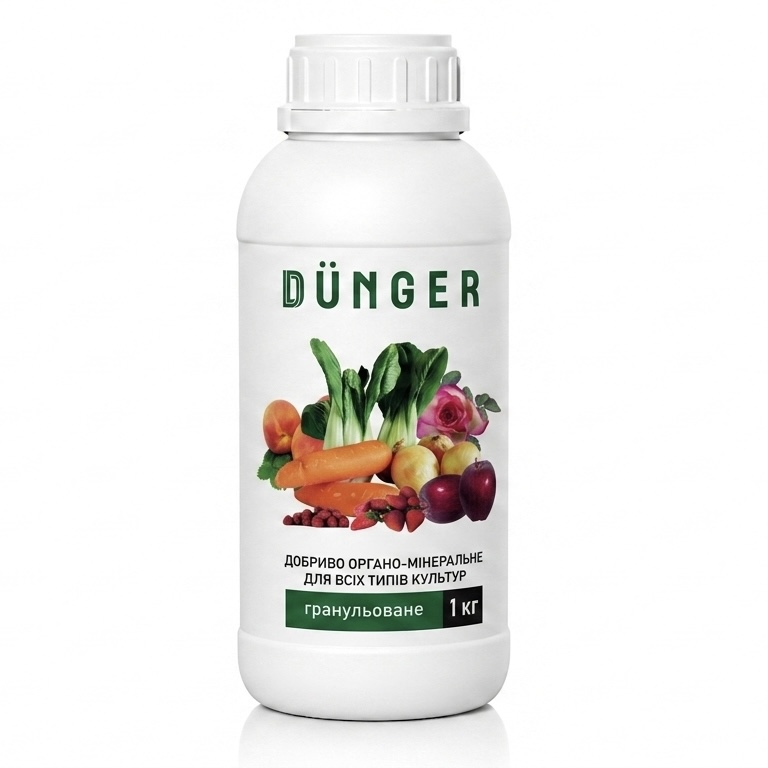
Organo-mineral fertilizer for all types of crops granular
If a soil assessment identifies a separate nutrient need that fits this composition, consider the general organo-mineral granules. The directions include all-crops use and main application during spring soil preparation. Confirm suitability for the planting stage and method before buying.
Packs are 1 and 5 kg. Measure only the area you intend to treat. Keep calculations separate for beds with a different history of applications. Check the complete directions and current price on the product page.
Frequently asked questions
A usual female cultivar needs a compatible male that flowers at the right time. For a plant sold as self-fertile, check the verified characteristics and pollination requirements of that exact material.
Dormant winter hardiness differs from the tolerance of fresh shoots. New growth is vulnerable to frost. Inspect the site, remaining shoots and the recent cold before deciding on cuts.
Assess the strength of the structure and access first. A mature vine is heavy and its canopy adds seasonal load. Build a separate sturdy support if the existing fence cannot carry it.


