


Apple trees flower in spring, but their first open blossoms depend on the cultivar, the weather and where each tree grows. Start by watching the flower buds on several branches. You will see a cluster of green buds, then closed buds with visible colour, and finally the first open flowers when conditions allow. Those changes are useful when you want to check the orchard after a cold night or see whether a second, compatible cultivar will have flowers open at the same time.
Recognise the stages leading up to bloom
From closed buds to pink
Choose two or three branches you can see clearly. Early in spring, green tissue appears at the opening bud. Small individual flower buds become visible in a compact group. As they develop, you can see the colour of the petals while the buds are still closed. This is often called the pink stage. Once you see it, check the tree and the forecast more frequently. Record a pink bud separately from a flower with open petals.
Not every bud produces a flower. If you see only young leaves on one branch, look for clusters on short shoots elsewhere on the tree. A new shoot at the edge of the canopy can give you a different view from an older branch bearing flower buds. For a tall tree, use a phone camera to compare visible branches from the ground. A wider photo will help you identify the same part of the tree again when you return.
First flowers, full bloom and petal fall
Write down the first date when petals are visibly open on the branches you marked. On subsequent visits, note when many flowers are open in several parts of the canopy. A single cluster beside a warm wall can open while much of the tree is still in bud. Later, petals begin to fall. Check afterwards for tiny developing fruit. The loss of petals does not tell you how many apples will continue to develop.
Why flowering can differ across the garden
Two trees of the same cultivar can reach open bloom at different times. Compare the light beside a sheltered wall and in a lower part of the garden, and note which side of a tree opens first. Compare the same branches several times. A single warm afternoon does not describe the conditions the buds experienced throughout the previous week. Even in one part of Ukraine, spring can differ from year to year. Use last year's notes to decide when to begin observing, then check the trees in front of you.
Imagine that one tree by a wall has open flowers and the tree at the lower end of the garden has pink buds. Photograph both. After the weather changes, return to see if flowers are still open on the first tree when the second begins to bloom. Trees with different start dates may still overlap. If you saw no overlap, compare them again in another season before concluding that you need a different tree.
Check overlap for cross-pollination
Most apple trees benefit from pollen from another compatible cultivar. Two trees of the same cultivar can flower together, but buying a second of the same cultivar does not give you the pairing you need for cross-pollination. A tree with a different name is not automatically suitable either. Tell the nursery the name of your existing tree and ask it to check both compatibility and flowering group. If the cultivar is unknown, share the dates when you had open flowers and ask what else would help identify a suitable partner.
Mark the stretch when both trees have open blossoms. Compatibility and overlap allow cross-pollination, and insect activity matters as well. Bees are harder to observe in cool, wet weather. Note the conditions between visits so one quiet afternoon does not determine your conclusion. If the trees flower abundantly but few young fruit appear, check the timing, compatible pollen and the condition of the flowers and fruitlets together. The record will help you decide what to investigate first.
What to check around a forecast frost
Look at upper and lower branches that you can reach or see safely. On a calm, clear night cold air can collect in a lower part of the garden. A tight bud and an open flower do not have the same sensitivity. Check the local forecast and record the current stage for each tree. After a cold night, wait for thawing and inspect several parts of the canopy before judging the extent of damage.
Darkened petals alone do not settle whether the flower has been damaged. Look at the centres of several blossoms and compare them with flowers from another side of the tree. Keep the marked branches so you can return and see whether young fruit continue to grow. For a separate decision about branch structure, use the guide to spring apple pruning. For work after the growing season, see the guide to autumn apple pruning decisions.
Keep a short flowering calendar for your own trees
- Label each tree by cultivar or location. Note its age or rootstock if known.
- Choose a few branches to photograph from the same side and a similar distance each time.
- Record the first open flowers, abundant open bloom and petal fall separately. Add notes on cold nights and whether you observed flower visitors.
- After flowering, return to those branches and check young fruit. Keep the records until next spring.
At the end of the season, compare cultivar and location. Note which buds opened earliest and which trees shared a period of open flowers. If some young fruits did not develop, record where you saw it rather than drawing a conclusion for the entire garden. Start observations sooner the following year if spring comes early, while still making decisions on the current trees. If you need to plan nutrition separately, follow the garden soil assessment guide and include the tree's prior feeding history.
Check whether the second tree can supply useful pollen
Different cultivar labels and overlapping open flowers are both worth checking, but they do not complete the decision. Some cultivars produce sterile pollen. Jonagold, for example, cannot return the pollination favour to a partner. If your proposed pair includes Jonagold, ask the nursery which tree will pollinate each member of the pair. A third compatible pollen donor with overlapping bloom may be needed. Do not assume that two familiar names solve both directions of pollen supply.
A suitable flowering crabapple may also supply pollen to an eating apple when they bloom together. Check its exact identity and suitability rather than judging by fruit size or proximity. Bring the labels and actual bloom observations to the nursery. An unknown cultivar needs to remain an unknown in that discussion; replacing a missing label with a guessed name can lead to buying an unsuitable partner.
Garden nutrition when a separate need is confirmed
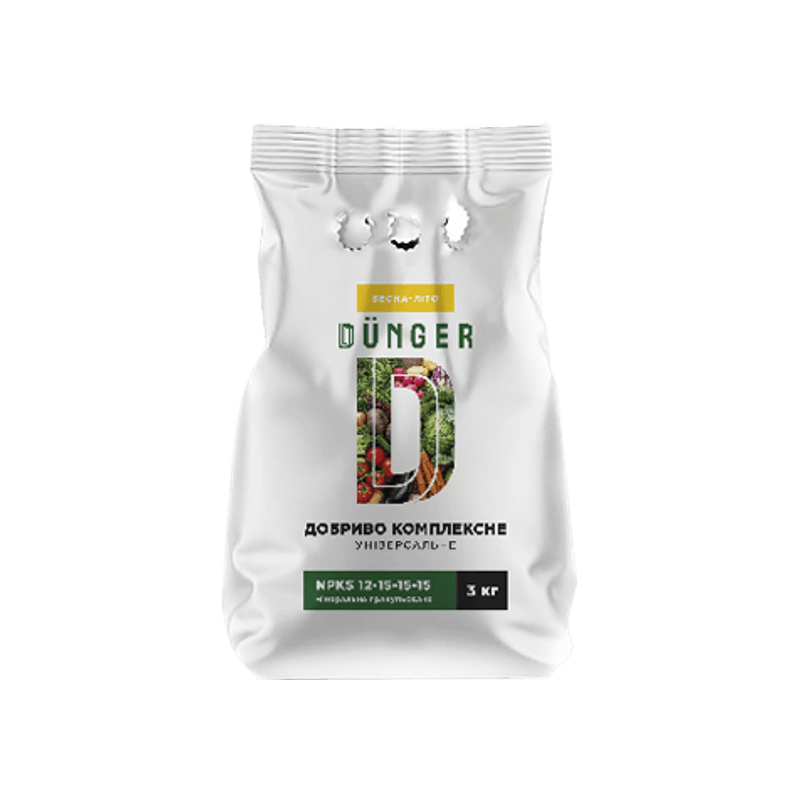
Complex fertilizer universal granular
If a soil assessment and tree growth show a need for the nutrients in this formulation, consider these universal granules. Check the deciduous tree and shrub group and the full tree memo for your apple tree. Assess flowering date, cultivar compatibility and cold effects separately.
The product page lists 3 kg, 4 kg and 5 kg packs. Account for earlier applications, tree age and size, and the root zone. Check the complete instructions and your selected pack before ordering.
Frequently asked questions
Its cultivar matters, and changing weather and conditions at its site also affect the date. Check more frequently once pink buds appear. Notes from a previous spring tell you when to look, while current buds tell you what stage the tree has reached.
Choose a different, compatible cultivar with an overlapping bloom period. Check both details before you buy a second tree. The names of two trees, or photos of them in flower on different days, will not settle the question on their own.
Compare several branches at different heights and on different sides. Keep your marked branches for another inspection. After bloom, look for young fruitlets that continue to develop before drawing a conclusion about the tree.


