


Fallen apples can become part of compost, but rotten fruit should not be treated as a ready-made fertilizer for every bed. First separate fruit without obvious disease from apples showing rot, mould, pest damage and dried fruit mummies. For an ordinary home compost bin without controlled sanitation, that distinction matters. The aim is not to hide all the apples in the ground quickly, but to recycle suitable organic material without returning problematic waste to your plants.
Not all windfalls are the same
The word windfall covers several situations: intact apples brought down by wind, immature fruit, fruit accidentally bruised during collection and apples clearly affected by rot. Falling does not establish the cause or determine suitability for compost. Look at condition as well as quantity while collecting. Once everything has entered the same sack, separating doubtful fruit becomes much more difficult and the useful distinction is easily lost.
For composting, distinguish the normal breakdown of suitable plant material from moving material showing disease into a new location. You do not need to identify the exact pathogen from one photograph. Recognizing suspicious rot and excluding it from a batch destined for garden beds is enough for that immediate decision. If damage is widespread or recurring, inspect the tree separately and seek a diagnosis of the underlying problem.
Two clearly designated containers make collection easier. Use one for suitable organic material and the other for doubtful fruit. Explain the difference to anyone helping in the orchard. That is more practical than trying to remember several hours later what entered the compost bin and why dried apples from an affected tree were mixed with ordinary plant scraps. A simple sorting routine preserves options for the material that is still suitable.
Handling apples affected by rot
Brown rot can enter fruit through wounds, and affected apples may remain attached to branches as dried mummies. Do not leave those remains on the tree and regard them as future fertilizer. Removing affected fruit helps reduce the carry-over of infected material between seasons. It does not guarantee elimination of the disease, but it is a useful orchard hygiene task separate from deciding how to feed the trees.
A normal home heap does not necessarily heat sufficiently or evenly for sanitation. A warm centre does not prove that the edges and every piece of fruit experienced the required conditions. Avoid promising yourself that winter will certainly kill everything. If the process is not controlled, keep diseased apples and mummified fruit out of the ordinary compost that you intend to return around crops.
Garden-waste services differ between Ukrainian communities. Ask whether a service accepts affected fruit, in what form and in what quantity. Do not assume that every green-waste collection accepts a large load of rotting windfalls. Until transfer, keep that material separate from finished compost and planting stock. Moving doubtful fruit beneath another tree simply to clear space does not resolve the original problem.
Adding suitable apples to compost
Fruit residues are moist composting ingredients. Avoid making them the only component of a thick, compact mass. Combine them with dry plant materials such as chopped dry stems, leaves or suitable uncoated cardboard. The aim is a varied mixture with access to air, rather than a rigid household recipe specifying an identical proportion for every bucket of apples regardless of what else the bin contains.
Large suitable fruits can be broken into smaller pieces if that is convenient and safe for you. Smaller pieces are easier to mix through the other material. Do not chop suspicious rotting fruit merely to make it less visible. Cutting is not sanitation. Sorting must come before preparation, not afterwards. Keeping those two operations in the right order is more important than making every piece the same size.
Mix suitable apples with the other organic material already being composted. If you have many apples and almost no dry ingredients, assess the capacity of your system. Arranging another appropriate route for part of the waste is preferable to filling the whole bin with a dense fruit mass. The guide to potato peelings in compost discusses another kitchen plant residue; condition and suitable processing matter for those scraps as well.
Smell and excess moisture: what to check
If the mixture becomes slimy and unpleasant-smelling, examine excess water and air supply. Wet materials can compact, especially when there is a large quantity and little mixing. Add suitable dry material and improve mixing. Check whether roof runoff is entering the bin and whether excess water can drain. Looking at the cause is more useful than masking the smell while leaving the same wet conditions inside.
If the mixture is dry and hardly changes, assess moisture and the balance of ingredients. Do not answer every compost problem with another fertilizer application. Decomposition needs suitable conditions rather than an obligatory purchased accelerator. Likewise, do not add ash or lime simply because apples taste acidic. Those materials have their own limitations; read separately about using wood ash before making a decision about their use.
After adjusting conditions, allow time and observe the result. Adding a large new batch of fruit every day to nearly finished compost makes maturity harder to judge. It is helpful to separate fresh material from a batch completing decomposition. Even in a small garden, clearly identified stages make the process easier to manage, provided they are not mixed up whenever space becomes limited or someone else helps with the work.
When it is compost rather than a pile of apples
Judge the material rather than a promised completion date. Mature compost has a dark, crumbly appearance and an earthy smell. Recognizable pieces that have not broken down can be separated for further composting. If the main mass still resembles wet fruit or continues changing actively after mixing, do not rush to place it beside young roots. Having a planting date in mind does not make unfinished material ready.
In Ukrainian gardens, progress depends on weather, pile size, moisture and management. Cold conditions slow decomposition, so a promise that it will be ready by spring is unreliable. A hot day does not demonstrate maturity inside the bin either. Assess the particular batch, its ingredients and its history before use. If unsure, continue processing rather than adapting your judgement to the date when you hoped to empty the bin.
Compost and fertilizer serve different purposes
Finished compost is useful organic material for soil, but its composition is not equivalent to a fixed manufactured fertilizer analysis. A bucket of windfalls cannot honestly be converted into an exact potassium dose for one tree without data. The presence of apples in compost also does not automatically meet every requirement of the next crop. Recycling the fruit and planning plant nutrition remain two connected but distinct decisions.
To plan apple-tree feeding, assess soil, growth, previous applications and the tree's actual need separately. The guide to an apple-tree feeding plan addresses that task. Count compost alongside the other materials rather than treating it as an invisible addition followed by a full arbitrary dose of every other product. A justified calculation helps avoid unnecessary purchases and repeated additions of the same nutrients under different product names.
Fertilizer for plant needs
If garden plants need additional nutrition, consider this universal granular product using the full instructions for their plant group. It is a plant fertilizer, not a treatment that sanitizes fallen fruit or an obligatory compost accelerator.
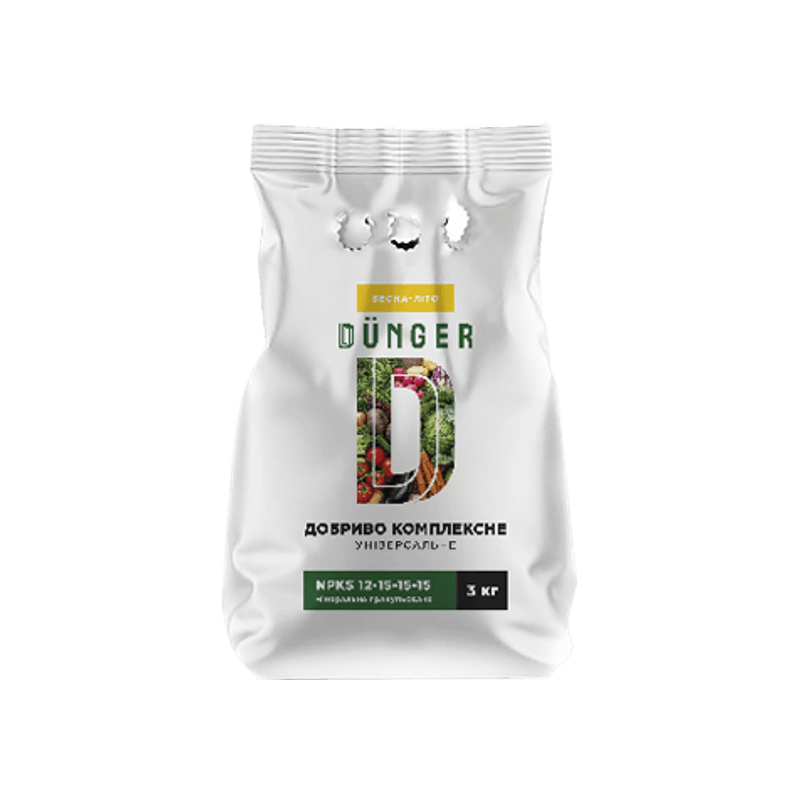
Complex fertilizer universal granular
DÜNGER universal compound fertilizer granules for vegetables, legumes, leafy greens and ornamental plants. Available in 3, 4 and 5 kg packs.
Plan growing areas and pack requirements in My Garden.
A practical sequence for a small orchard
- Prepare separate containers for suitable and doubtful fruit.
- Collect windfalls and inspect accessible remains on the tree.
- Mix suitable organic material with the other compost ingredients.
- Keep affected fruit out of an ordinary heap without controlled processing.
- Monitor moisture, air and batch condition instead of relying on a calendar.
- Make plant-feeding decisions separately after assessing the soil.
After clearing the ground, make sure everyone helping understands the purpose of each container. Do not pour one into another merely to create space. Label a doubtful batch if its removal must wait. That simple organisation preserves the value of sorting and lets you recycle suitable organic material without hastily combining every kind of garden waste into one untraceable heap.
For the following season, consider where collection containers can stand and how you will reach the composting area without carrying fruit through planted beds. Keep the system manageable for the amount of waste your garden actually produces. A small, clearly organised process is more useful than an oversized plan that cannot be maintained when many apples fall at once. Practical capacity should guide the handling route.
Common questions
Do not use that as a universal feeding method. First separate affected fruit and determine an acceptable handling route. Suitable residues are better processed through composting than treated as a ready-calculated fertilizer dose.
No such guarantee exists. Without controlling conditions throughout the mass, you cannot claim that pathogens and pests have been neutralized. Keep affected fruit out of an ordinary home batch.
Not necessarily. Start with a varied mixture, air and appropriate moisture. Buy plant fertilizer for the needs of the plants, not as a universal solution to compost-bin problems.


