


The yellow lilac sought for gardens is commonly associated with Syringa vulgaris 'Primrose'. Its flowers are a delicate creamy yellow, rather than a strong lemon yellow. Before buying, check the cultivar name, expected size and how the plant was propagated. Fertilizer will not turn an ordinary purple lilac into a yellow cultivar: the intended appearance begins with the right plant.
“Yellow lilac” can also mean a shrub with yellowing leaves, but that is a different question. This guide concerns flower colour and cultivar selection. If you want a pale flowering feature near a terrace or path, assess the mature shrub and its place in the garden, rather than choosing only from a close-up of one flower cluster.
What 'Primrose' actually looks like
'Primrose' belongs to the common lilac group. It is deciduous, with heart-shaped leaves and fragrant clusters of pale creamy-yellow flowers. Use that restrained colour description as the basis of your expectations. A highly saturated sales image is not sufficient evidence that the flowers will look equally bright in your garden.
Ask for a photograph taken in natural light and a view of the complete flowering shrub. A close-up shows flower shape but hides the size, density and arrangement of the display. Compare ordinary photographs, the cultivar description and the label instead of choosing the most vividly coloured image.
The cultivar name matters
Establish whether the offer is specifically Syringa vulgaris 'Primrose', rather than an unidentified “yellow lilac”. The description, label and order should use the same name. Keep that information after planting. When the young plant is not in flower, green foliage does not let you check the future flower colour as easily as a flowering specimen would.
Ask whether it is an own-root or grafted plant. This becomes relevant when dealing with suckers. Shoots produced by the rootstock of a grafted lilac will not reproduce the cultivar's flowers. A shoot found beside a shrub is therefore not automatically another plant with the same 'Primrose' characteristics.
Seed is not a guarantee of cultivar colour
Growing lilacs from seed does not reliably preserve a particular cultivar's characteristics. If the aim is specifically the creamy-yellow flower of 'Primrose', choose a plant with a confirmed identity and propagation history. Raising seedlings as an experiment and purchasing an identified cultivar are different projects with different expectations.
Apply the same care to an offer of a sucker from a yellow lilac. You need to know whether the parent is on its own roots and where the shoot originated. The flower colour of the nearby mature shrub is not sufficient information. Clarifying that detail before purchase can avoid waiting for a plant that does not match your intended display.
Allow for a substantial mature shrub
'Primrose' can develop into a large shrub or small tree, with an indicative mature height and spread of 2.5-4 metres. That is not an exact prediction for every plant and site. It is, however, a reason not to treat a small nursery plant as a permanently compact border shrub. Mark the future canopy area before digging.
Consider gates, access for tools and narrow paths. If the space is too small, repeated hard pruning becomes an additional job and affects flowering. Matching the cultivar to the available area is more practical than trying to hold a large shrub in a small corner every year.
Place pale flowers within the wider garden
Look at the proposed position from where you normally enjoy the garden. Pale flower clusters will have a different visual relationship with a light wall and a darker green background. Take an ordinary photograph of the site and imagine the full-sized shrub. This helps decide whether it should stand as a focal point or join a mixed planting.
Do not design solely for the flowering period. Lilac loses its leaves in winter, and its green canopy remains after the flowers finish. Consider the neighbouring view in summer and winter as well. Choose companions with compatible conditions, leaving room for access and avoiding future shade as those plants grow.
Sunlight and drainage come first
A sunny, open position supports good lilac flowering. Check the actual light throughout the day rather than relying on an early-morning impression. A nearby tree or fence can change conditions substantially. If the shrub becomes shaded, a higher fertilizer rate will not replace the missing light.
'Primrose' suits well-drained soil that is neutral or alkaline. Do not automatically use an acid-loving-plant mix simply because a bag is already available. Equally, avoid adding lime without knowing the existing soil. The guide to assessing soil before feeding explains how to establish the starting conditions.
Planting and early care
Choose the timing from plant condition, weather and workable soil. Dormancy offers a useful planting period for deciduous shrubs, while container-grown plants give more flexibility. A plant already carrying leaves needs closer attention to water after planting. The delivery date should not become the only reason to work on a site that is not ready.
Prepare enough space for the roots without forcing them into a cramped hole, and follow the nursery's guidance for that particular plant. Check moisture during dry spells after planting. A new shrub does not yet have the root system of one established for years. Suitable mulch can help conserve moisture and improve the condition of the soil surface.
Nutrition uses a plant-group rate, not a colour recipe
DÜNGER universal compound granular fertilizer is an applicable option for lilac under its deciduous-tree-and-shrub instructions. The row below belongs to that group. It is not a separate 'Primrose' programme or a treatment for intensifying yellow flowers. Assess the need for feeding from soil, growth and previous amendments.
The product comes in 3, 4 and 5 kg packs, all containing granules. Establish the relevant treated area and read the complete application instructions before calculating a purchase. Do not substitute a per-bush amount for an area rate or include the whole property when only one planting needs treatment.
Fertilizer for a confirmed feeding need
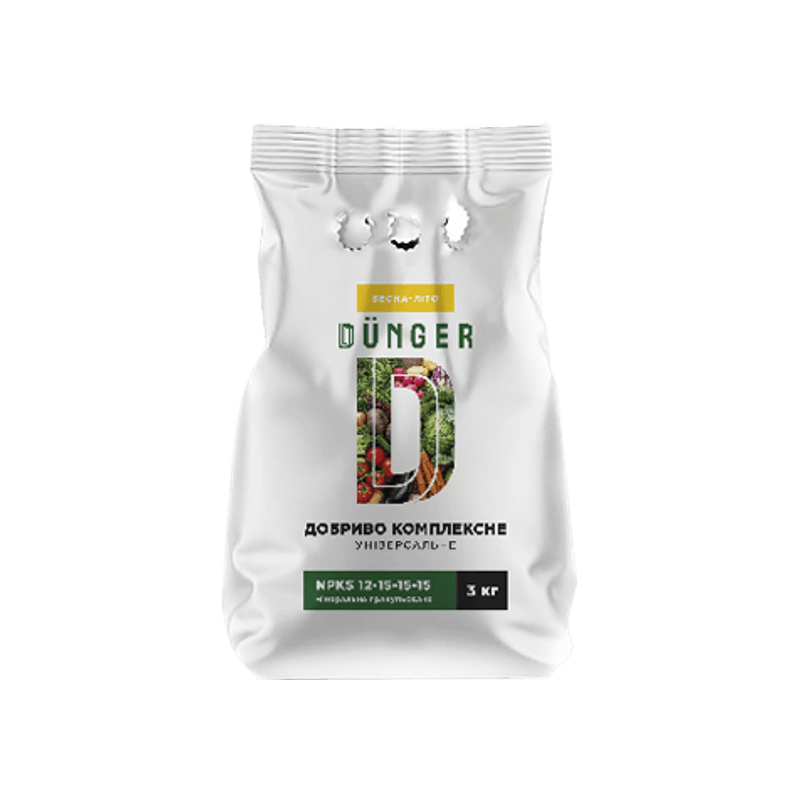
Complex fertilizer universal granular
Choose a pack for your plants’ requirements. Match the complete instructions, application method and relevant plant group before calculating the purchase.
Leafy trees and buches: 45 gr/m²
Save your plantings in My Garden and prepare your calculation.
Pruning and expectations for the first flowers
Lilac does not need annual hard cutting simply to look tidy. Routine shaping is timed after flowering because flowers develop on wood made in the previous season. Avoid automatically clipping every shoot tip in autumn. The separate guide to lilac flowering and shrub care explains timing and flowering concerns.
Do not expect identical progress from newly planted shrubs of different ages and conditions. Keep the cultivar name and photographs as the plant develops. If colour or the origin of suckers becomes uncertain, those records help you discuss the specific plant with the nursery. Another fertilizer application does not substitute for checking cultivar identity.
A simple planting record can include the supplier, date, position and whether the plant is grafted. Photograph the label while it is still readable. This takes little time and is useful when the original tag is lost. If several lilacs are planted together, give each its own position on the garden plan rather than keeping one label for the whole group.
Frequently asked questions
Expect a subtle creamy-yellow shade. Choose from ordinary photographs and an accurate cultivar description rather than the brightest advertising image. The saturation of a picture does not establish how the plant will appear in your particular garden.
No. Feeding cannot replace cultivar selection. Choose the appropriate plant if you want the characteristic pale flowers of 'Primrose'. Fertilizer supplies nutrients when needed; it is not a way to change the cultivar's identity or characteristic flower colour.
Remember that 'Primrose' develops into a substantial shrub. Permanent container growing requires a separate assessment of cultivar, container capacity and available care. Do not infer the eventual size from the small nursery pot in which a young plant is sold.


