


To grow another garden azalea with the traits of your cultivar, take a cutting or layer a branch from a healthy parent. A cutting must make roots after it is removed, so it needs controlled moisture and indirect light. A layer stays attached to the parent while it develops roots of its own. The right method depends on the type of azalea, the maturity of the shoots and where you can protect the new plants in their first winter.
Choose a cutting or a layer
For one or two new plants, start with a layer if the shrub has a low, flexible branch. The stem remains connected, so you can check it without managing humidity in a separate container every day. If the low branches cannot reach the ground or you need several new plants, cuttings make use of suitable shoot tips. Results depend on the cultivar and condition of the shoots. Seedlings can differ from the parent in flower colour and growth habit.
If you do not know the plant's name, check its label and recall whether it shed its leaves. Garden cultivars and flowering florist azaleas are both sold, but have different winter needs. The guide to caring for azaleas at home and in the garden helps distinguish them. Before propagating, make sure the mother plant has proved suitable for the local site and protection you can provide. A clone will have the same basic site needs.
Set aside enough material to compare outcomes without taking most of the healthy shoot tips. Decide where each batch will go and label the cuttings by parent plant. If two shrubs have similar flowers, their names and winter behaviour may still differ. Keep their material separate even if both fit on one tray. If you have only one promising branch on a valuable shrub, layering lets you keep that branch attached while it roots.
When to take evergreen and deciduous azalea cuttings
Many evergreen cultivars can root from the current season's shoots once they have begun to firm. Choose a healthy tip that is no longer floppy or easily crushed but has not turned into hard old wood. Deciduous azaleas are more often propagated from softer green shoots taken earlier. They are usually harder to root, and a rooted deciduous cutting is not automatically ready to move into a different pot.
In a cool foothill garden, new shoots may stay soft longer. In a warm, sheltered garden in the Ukrainian Forest-Steppe, the same cultivar may firm up sooner. A drying wind on an exposed site can dehydrate tips. Compare the actual shoots rather than following a date from elsewhere. Note how the shrub looks after flowering and use the guide to garden azalea flowering if the plant's seasonal stage is unclear. Wait if the parent is dry, recently frost-damaged or visibly unhealthy.
Prepare cuttings and set them into the rooting mix
- Choose a sound tip without a flower. Use a sharp, clean blade and mark the parent and date before mixing shoots from different plants.
- Clear the lower stem. Leave a small cluster of healthy leaves at the top and avoid stripping tender bark.
- Insert into a damp, airy mix. Make a hole first so the stem does not have to push through firm particles. The mix should hold moisture while allowing air in.
- Protect against water loss. A clear cover holds humidity. Bright, indirect light keeps the enclosure from overheating.
Keep the leaves from resting against wet plastic or against neighbouring cuttings. Inspect the container and plant tissue. If the walls are always dripping, the mix looks glossy with water and a stem darkens at the base, check drainage and ventilation. Remove cuttings that are clearly decaying. If the mix is becoming dry, moisten it gently. Flooding the mix will not replace the humidity lost around a rootless cutting. Keep a closed tray out of strong midday sun.
Fresh-looking leaves do not prove that roots have formed. Avoid tugging every stem. Roots visible at a drain hole or continuing new growth give you a reason to look more closely. When you are still unsure, leave the cutting in stable conditions and check again later. Repeated handling can break the first fine roots.
Layer a low branch while it is still attached
Choose a healthy side branch that bends to the ground without splitting. Make a shallow depression beside the shrub. Pin a section of the branch down and cover it with loose, damp mix, leaving its tip exposed. Mark the spot so it will not be lifted during weeding. Check moisture after heat and after prolonged rain. The covered section needs air as well as moisture.
If the branch springs back, reposition the pin and choose a longer flexible section instead of forcing a tight bend. Check the marked spot once conditions change, such as after a long dry period. If the ground stays saturated, examine the drainage around the depression. A layer that still looks green may simply be getting its water from the parent.
Look carefully at the edge of the covered section. If you find only a few roots, replace the mix and give the branch more time. Once it has a root ball that can support the plant, sever the stem between the rooted section and the parent with a clean cut. Lift without breaking the fine roots and transplant it into a spot protected from strong sun and wind.
Acclimate rooted plants and protect the first winter
Open a cutting cover gradually. If the leaves wilt as soon as it opens, check the roots and allow the plant more time. Before moving it, look for an intact root ball and sustained growth under the changed humidity. For deciduous cultivars that rooted late and have not resumed growth, leave the roots undisturbed and wait until the next active growth period to pot them on.
On an exposed patio, wind can dry small pots faster than it dries established garden shrubs. Low spots may stay wet through autumn, while raised containers can freeze rapidly during a cold snap. Choose a sheltered, draining space where the root ball will be protected from freezing. In spring, increase light exposure gradually. A hardy parent shrub does not make a young plant's unprotected roots immune to frost.
When the young plants resume growth, separate them by strength rather than potting up the entire batch at once. A vigorous plant whose roots hold the mix may be ready before a weaker neighbour. Prepare the next container and label it before lifting so the roots are not left exposed. Keep weaker plants in a protected position and check their progress again after conditions settle.
A feed option for azaleas already established in the garden
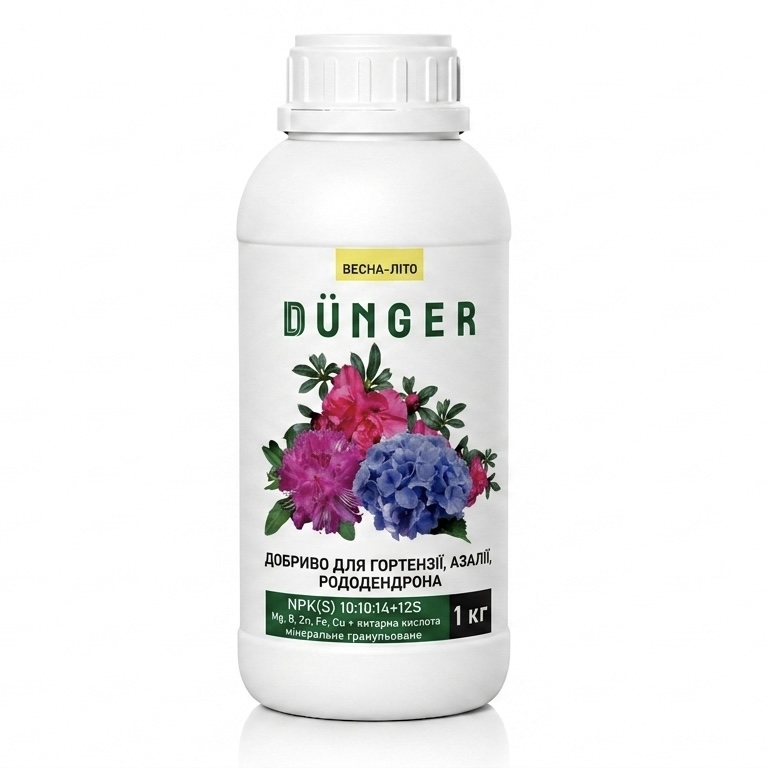
Complex fertilizer for hydrangea, rhododendron, azalea granular
If an established, actively growing garden azalea has a demonstrated feeding need, consider the DÜNGER granular product that explicitly lists azaleas. Its full spring and summer directions account for plant stage, size, age and soil moisture. Keep these granules out of the cutting or layering medium.
The pack sizes are 0.5, 1 and 5 kg. Check the complete directions and count only established shrubs with a reason to feed before choosing a pack.
Frequently asked questions
Seedlings can differ in flower colour and other traits. For a copy of a known plant, take a cutting or make a layer and keep its cultivar label.
Leave it attached. Check the pin and moisture around the buried part. Wait to detach it until it has enough roots to hold a root ball of its own.
First check that growth has resumed and the young plant is established in a suitable mix. Consider what the mix already contains. For an established garden shrub, follow the relevant product instructions. A feed for a mature garden plant cannot replace the process of rooting a cutting.


