


In autumn, the main boxwood propagation decision is whether to take more cuttings or protect the plants you already have. Inspect the parent bush, the firmness of its shoots and the place where the cuttings will spend winter. If lasting cold is approaching and you have no suitable protection or way to check moisture, leave shoots on the healthy parent until a better stage. Rooting in unheated shelter can take time. Green leaves through winter alone tell you little about the strength of the root system.
When is it still worth considering cuttings?
This season's semi-ripe material has a firmer base and a relatively flexible upper section. Shoots change as autumn advances, so the calendar cannot guarantee the right material. Compare several shoots on a healthy plant. Very soft stretched growth, damaged pieces and growth untypical of the cultivar are poor choices. Avoid cutting a whole supply simply because autumn leaves you more time.
The convenient stage for boxwood often arrives earlier, when young growth begins to firm. Autumn may already be the time to care for a batch taken before. If the material or conditions are doubtful, identify a healthy parent and prepare for the next suitable window. See the boxwood cutting guide for the full preparation and insertion method. Base the next autumn steps on the actual state of each batch.
What does having shelter really mean?
A cold frame or unheated greenhouse moderates unsettled weather and mild frosts. Its name tells you little about the lowest temperature inside. Check its stability in wind, the lid or ventilation opening and where excess water goes. A tray near the door may cool differently from a pot in the centre. Late autumn in a Ukrainian garden can bring both damp spells and abrupt cold. Choose a position that stays accessible in either situation.
Before putting material into a shared frame
Inspect the parent and cuttings for leaf spots, sudden loss of lower foliage and dark streaks on green stems. These signs need investigation. They leave the exact cause uncertain, but suspect material belongs apart from a clean batch. Taking cuttings from it may carry the same problem to new pots. If disease is confirmed, use the diagnosis to decide on removal and cleaning.
Keep separate labels and trays for different parent plants. Clear away debris and use clean tools and containers. After working on suspect material, clean and disinfect tools before returning to healthy plants. Remove old fallen box leaves from a reused frame before adding the new batch. Fertilizer leaves these hygiene questions unresolved.
Taking a lightly rooted batch through winter
The first cold period is about preserving living tissue and conditions suitable for further rooting. Keep the medium moderately moist and check that extra water can leave. Leaves can stay green on a cutting using its reserves. Avoid pulling it out every week to look for roots, which can damage new growth. Review accessible signs gently when the time comes to move plants on.
Remove dead leaves or a rotting cutting, inspect its neighbours and record the problem. One wilted specimen is a poor reason to water the entire batch more often. If the medium is already wet, extra water can worsen conditions. Compare the change with ventilation, weather and the cutting's base. Wilting alone cannot reliably separate dryness from root loss or stem injury.
Condensation and watering
Drops on the lid show humid air, but give an incomplete picture of the medium. Lift a tray or inspect several places and assess its moisture. Sunny weather can heat a closed frame even when the air outside is cool. Ventilate when conditions permit and restore protection before colder weather. A lid you can reach matters even when you plan little gardening during winter.
What changes when plants are well rooted?
A root ball ready to move on is held together by sufficient roots. A single root coming through a drainage hole is only part of the picture. Give a plant more time if rooting is just beginning. Support the ball when separating a rooted plant and choose an appropriate container. In cool conditions, a large surplus of wet mix makes moisture harder to control. Keep the rooted and unrooted parts of the batch distinct so their different stages stay visible.
Plants raised in warmer protection need gradual adjustment to outdoor conditions. Strong wind or a sudden cold spell during a move can cause damage. A small pot has a different root environment from its mature parent in the ground. Prepare a backup position before severe cold and check plants after weather changes.
Plan the spring restart
- Inspect foliage, stem bases and moisture in each group, keeping the identity of its parent plant.
- Find which plants have sufficient roots and which still need holding.
- Adjust ventilation and protection gradually with the weather, especially for a batch raised in warmer shelter.
- Move plants on according to root development and the growing system you chose. The entire batch may be ready at different times.
- Assess nutrition after rooting and a suitable return to growth, using the product's directions.
Keep a brief result for each batch. The date taken, parent and actual holding position help you understand why some plants developed faster. If losses happened only beside the frame wall, review that position and its conditions. If changes began in material from one bush, return to its inspection. Either observation provides more direction than increasing fertilizer across all the trays.
Two batches under one roof
Separate a tray at the beginning of rooting from pots rooted earlier. Similar green foliage can conceal different stages. Label the groups and check moisture in each medium. Keep those labels through spring growing on so you can evaluate which handling worked.
Use the garden soil assessment guide when deciding about nutrition for the established parent. A bed result cannot be applied directly to a small tray of fresh rooting medium.
Assess feeding the established parent separately
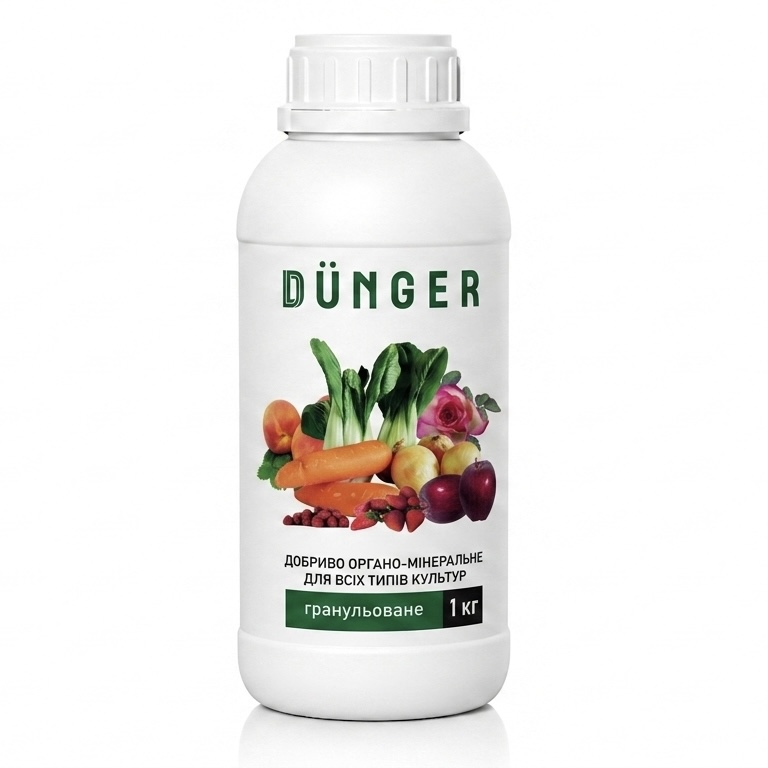
Organo-mineral fertilizer for all types of crops granular
If the established parent boxwood needs nutrients, consider the DÜNGER organo-mineral granules for all crop types. The directions contain a perennial tree and shrub row. Use the exact group rate below only with a matching need and conditions. Feeding an existing plant is described for active spring-summer growth, spread over loosened moist soil in the root zone. Check the full directions for the individual bush.
Keep the mature-bush calculation separate from unrooted trays. Deciding to wait before taking cuttings gives no automatic reason to fertilize. First assess the parent and materials already applied, then compare the 1 and 5 kg packs on the product page. Save the established shrub zone in My Garden to prepare a later purchase.
100-200 g under a tree/bush
Frequently asked questions
Assess shoot firmness and your ability to maintain conditions. If suitable material or a reliable holding place is missing, leave healthy shoots on the parent until the next appropriate window.
Check root development and readiness for outdoor conditions. A green cutting may still lack sufficient roots to cope with transplanting.
First maintain hygiene, the right rooting medium and moisture. Assess the requirements of a rooted young plant separately. A rate for a mature shrub cannot be carried over to a tray of cuttings.


