


For garden ranunculus with layered flowers, choose a bright position, soil that drains well and cool conditions during active growth. Plants sold as Persian buttercups are usually Ranunculus asiaticus or its garden forms. They should not be treated like aquatic buttercups or every wild yellow buttercup: sharing a genus does not give them identical watering, planting and overwintering requirements.
In a Ukrainian garden, plan frost protection and the end-of-season arrangements before you buy. A flowering pot, a young plant and dry tuberous roots start at different points in the growing cycle. Identify what you have first, then decide on its position, watering and any appropriate feeding.
Identify the plant behind the common name
The genus Ranunculus includes plants from different habitats. Advice about a buttercup at the edge of a pond does not automatically suit a double-flowered Persian buttercup in a pot. Use the botanical name rather than flower colour alone. Garden forms may have single, semi-double or densely layered flowers; flower form itself does not establish the hardiness of your purchase.
Keep the series label and a photograph of the material you receive. If a seller describes it as perennial, ask under what conditions it is expected to survive winter. A plant's ability to live for several seasons does not mean it will reliably overwinter in every Ukrainian flower bed. A practical protection plan is more useful than relying on one short word printed on a packet.
Choose between a bed and a container
In the ground, look for a sunny site where water does not remain after rain. Check below the dry surface as well as on top. Ranunculus needs moisture while growing, but wet soil without adequate drainage creates a risk of root rot. A low corner that is easy to water may be unsuitable precisely because excess water cannot escape.
A container makes relocation and protection easier, but needs regular attention. Ensure that the holes function and that water is not collecting inside a decorative outer pot. Choose a growing medium that retains appropriate moisture while allowing drainage. Dense soil taken from the flower bed may behave differently in a small container than it does outdoors.
Before preparing an outdoor bed, read the guide to assessing garden soil. Separate structure, water management and nutrition when deciding what to improve. Adding fertilizer does not turn a waterlogged hollow into a well-drained planting site.
Plan the start around actual conditions
Persian buttercups favour cool growing conditions, but this is not permission to leave a flowering shop-bought pot outside through frost without assessment. Protected growing and moving outdoors are different stages. For a purchase already carrying leaves or buds, ask about its previous conditions and plan a gradual transition to the position you can provide.
In Ukraine, compare the local forecast with the soil at the actual site. A warm afternoon after a cold night does not describe the whole following week. An open bed, a balcony and a bright protected space require different plans. Do not transfer an autumn outdoor planting schedule from a mild foreign climate directly to Ukrainian conditions without appropriate protection.
Dormant roots and flowering pots need different starts
Dry ranunculus tuberous roots have distinctive claw-like projections. They do not look like a conventional bulb with layers. Check preparation instructions for the particular material you bought. Avoid assembling a homemade treatment from soaking times and growing procedures intended for different series, stages or production systems.
Plant the claw-like roots downwards. Confirm depth and spacing for the size of material and the intended growing method. Do not break pieces away merely to fit them into a hole. If a root cluster has wet, soft areas or looks questionable, inspect it before planting it together with healthy material. Keep a photograph of its arrival condition when discussing the problem with the supplier.
A flowering pot has already passed through part of the cycle. Check the root ball and drainage holes rather than restarting with instructions for dry roots. A dark corner is not a suitable answer to cold weather: the plant needs light as well as an appropriate temperature. Choose a temporary location where you can actually observe it and adjust care.
Water according to the medium
During growth and flowering, provide moisture without keeping the root zone waterlogged. Before watering again, check the medium and drainage. A small pot in sunshine and a large outdoor bed after rain will not need identical treatment. Reassess after moving a container, after warmer weather arrives or after several dull days.
Wilting does not always mean that the plant is dry. If the medium is wet, adding more water can be the wrong response. Examine the base and check whether water is trapped in the outer pot. Likewise, unattractive foliage alone does not justify fertilizer. First distinguish water or temperature problems, root condition and the natural completion of growth.
Care while the flowers are open
Provide light and air movement, leaving enough access between pots to inspect the foliage and base. Remove spent flowers carefully while retaining healthy leaves. This is not a reason to cut the whole plant to ground level. If you grow stems for a vase, make deliberate cuts with clean equipment rather than tearing flowers away.
Distinguish one finished flower from a change affecting the whole plant. For example, a single stem losing its display value does not establish a nutrient shortage throughout the root zone. Repeated fertilizer applications cannot maintain flowering indefinitely. The growing material and conditions influence the cycle, and care should follow the plant's stage.
After flowering: recognise the change of stage
Ranunculus asiaticus can enter summer dormancy. Gradual completion of growth after flowering differs from sudden collapse in a wet pot. Do not maintain the same heavy watering throughout the year just because the container has not moved. Check whether the observed change agrees with the conditions and the guidance for your series.
If you intend to keep planting material for another season, prepare a suitable cool, dry storage place and establish how it will be lifted at the end of the cycle. Inspect the material during storage. Do not seal questionable wet pieces in a shared bag. Make the plan workable for the number of plants you own and the space you actually have.
Place ornamental plants safely
Ranunculus is ornamental, not edible greenery. Its sap can irritate skin, so wear gloves when handling it. Position the plants and stored roots where children and pets cannot eat them. Attractive flowers should not be used as edible food decorations merely because they look suitable for a table arrangement.
Feeding the flower bed when needed
Before choosing fertilizer, check whether the medium already contains nutrients, what has been applied to the bed and whether the plant is actively growing. Do not invent a separate feeding treatment for dormant roots. Nutrition should match the stage and growing method, rather than being used to compensate for poor drainage or cold exposure.
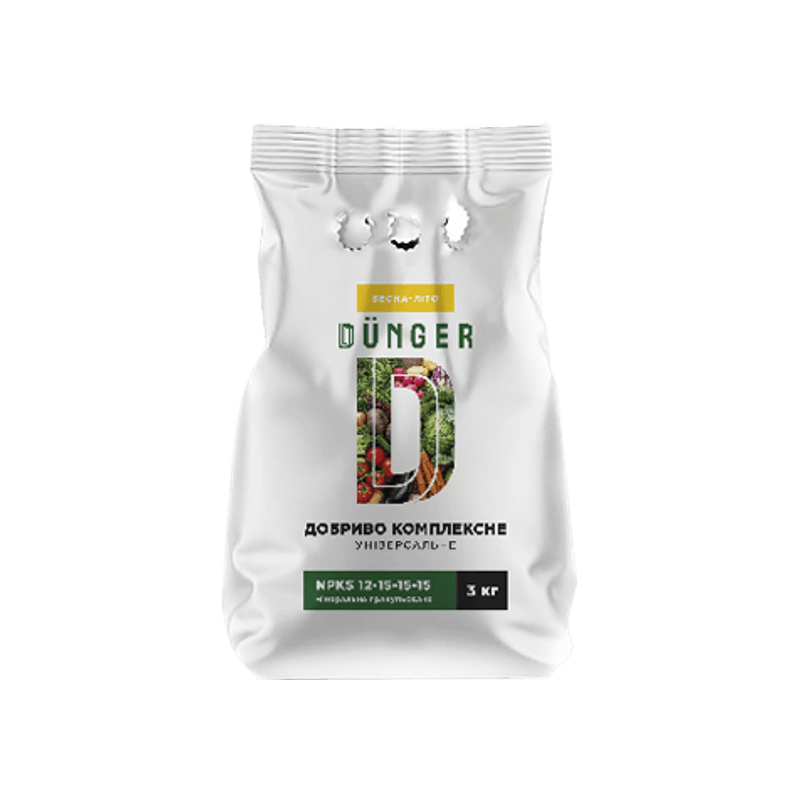
Complex fertilizer universal granular
This product includes the group “Floral and decorative crops” with the rate “30-40 gr/m²”. For a bed, that is a group entry in the full instructions, not a special recipe for each ranunculus cultivar. Do not turn an area-based rate into an arbitrary dose for a small pot. Check the complete application method and suitability for your situation on the product page.
The pack sizes are 3, 4 and 5 kg. Measure the planned application area and account for previous nutrition before selecting a pack. In My Garden, add a flower zone, crop, measurements and product plan. This helps organise a purchase for different growing areas without transferring one rate to every plant.
Questions about Persian buttercups
Do not assume that this is reliable in every Ukrainian garden. Check the species, series and local conditions. For Ranunculus asiaticus, plan protected growing or storage of the planting material before cold conditions arrive.
The plant may be moving towards seasonal dormancy, but check moisture and the base. A sudden decline in wet growing medium should not automatically be described as normal seasonal completion. Extra fertilizer is not a universal solution.
Not automatically. Members of the genus have different requirements. Choose care specifically for garden Ranunculus asiaticus, paying particular attention to soil moisture, winter handling and container conditions.


