


Choose a blueberry soil mix by the conditions it will provide around the roots: the growing medium needs to be acidic, sufficiently moist and well drained. A label saying “for berries” or a dark colour does not establish those properties. Before planting, check the pH, drainage and ingredients. Plan fertilizer separately: supplying nutrients cannot take the place of preparing suitable soil.
Why ordinary garden soil is not always suitable
Blueberries are acid-loving plants. A bed where ordinary vegetable crops grow well does not necessarily provide the conditions blueberries need. What matters is the soil's actual characteristics. Even soil that looks fertile can have unsuitable pH or drain poorly. Establish these points before buying a large number of plants, so you can plan the growing area around their needs.
The word “peat” alone is not a complete answer. Materials vary in their properties, and prepared growing media can contain different ingredients and additives. Read the intended use, stated acidity and manufacturer's instructions when choosing a mix. If the information is missing or unclear, ask for clarification. Judging by colour, smell or a photograph of the bag cannot replace those details.
Measure pH before planting
A pH test helps establish whether the growing environment meets the crop's requirements. Follow the instructions for your meter or testing kit, and contact a laboratory if the result is uncertain. Do not compare numbers obtained through different methods without an explanation of how they were measured. To assess a planting, also record where the sample came from and whether materials affecting the result were recently applied there.
Any adjustment of acidity should be planned around the soil's starting condition and the instructions for the particular amendment. There is no single homemade quantity of acidifier that suits every bush and every soil. Avoid adding household acids, battery electrolyte or other improvised products. This does not provide a controlled horticultural calculation and can worsen conditions around the roots.
Assess the whole future root zone rather than a small portion of mix immediately beside the young plant. Roots eventually grow beyond the original planting position. If the surrounding soil differs substantially, consider how to construct the bed or whether container growing would be more appropriate. Choosing a soil mix therefore starts with the planting site, before the final decision about which bag to buy.
Moisture and air need to work together
Blueberries need available moisture, but their roots should not remain in standing water. Inspect the site after rain and after normal watering. Look for water collecting in low areas, a surface that dries unusually quickly, or differences between the middle and edges of the planting. These observations help identify the growing medium and watering arrangements needed in this particular place.
A loose mix does not automatically solve drainage problems beyond its edges. If water cannot leave the planting area, adding new material requires an assessment of the wider situation. For difficult sites, consider a raised bed or a suitably sized container. Your choice should allow you to maintain moisture and monitor the plant, as well as create an orderly planting.
| Growing method | What to check before preparing the mix | What to record for future care |
|---|---|---|
| Planting in the ground | Acidity, physical soil properties and water movement across the area | Previous applications and the details of the separate berry-growing area |
| A raised bed | Suitability of the filling material, drainage and conditions where materials meet | Bed dimensions and the actual number of bushes |
| A container | The growing medium's intended use, drainage holes and watering | Container size, plant age and previous feeding |
How to read the ingredients of a prepared soil mix
A useful starting point is a prepared acidic growing medium with stated characteristics and a clear intended use for acid-loving plants. Its ingredients may include suitable materials such as composted conifer bark or an acidic organic component. These are examples to consider when reading the ingredients, rather than a recipe for mixing arbitrary proportions. Check the properties of the particular material: an ingredient's name alone does not establish the finished mix's pH.
First look for a clear intended use for blueberries or the appropriate group of acid-loving plants. Then read the growing medium's characteristics, ingredients and conditions of use. Establish whether the product is a ready-to-use substrate, a component for mixing or a material for improving existing soil. These products serve different purposes, so bag volume alone is a poor basis for comparing them.
If a mix already includes starter nutrients, account for them before the next application. Record the material's name and the information on its packaging. Do not add an arbitrary full dose of another compound fertilizer simply because you have just bought the plant. Later feeding should take account of the fertilizer instructions, the bush's condition and what is already present around its roots.
Treat universal homemade recipes with care when their ingredients are measured by eye. Even matching material names do not guarantee matching characteristics. If you prepare your own medium, you need to understand its ingredients, check the result and be able to maintain those conditions afterwards. A labelled prepared mix can simplify the choice, but its instructions still need reading.
Assess mulch, compost and other additions separately
Not every organic material is suitable for blueberries. In particular, materials that raise pH can work against the aim of creating an acidic environment. Avoid extending a habit of adding ash or lime to every planting to your blueberry bushes. The need for an ingredient should follow from its properties and your assessment of the area, rather than a general assumption that organic material is always beneficial.
Surface mulch and the growing medium around the roots also have different roles. A surface layer can help you manage the planting, but it does not demonstrate that the soil underneath has suitable characteristics throughout. After adding a material, observe the plant and its conditions and record the change. This makes it easier to connect an outcome with an actual action and avoid applying several unassessed products at once.
When to move from soil preparation to feeding
Choose blueberry fertilizer after establishing the growing conditions and the bush's current stage. A soil mix provides the root environment, while a fertilizer has its own intended use, composition and application period. Do not use a specialized nutrient product as an improvised way to correct acidity immediately. Equally, do not transfer the rate from one nutritional complex to another.
DÜNGER has separate nutritional complexes for the first and subsequent blueberry feedings. Distinguish them by their full names and instructions. When planning the first spring feeding, review the relevant product in advance. Having it in your basket does not mean it should be applied immediately after purchase or during autumn soil preparation. Keep the planned purchase and the appropriate application stage clearly linked in your records.
Prepare feeding for the appropriate stage
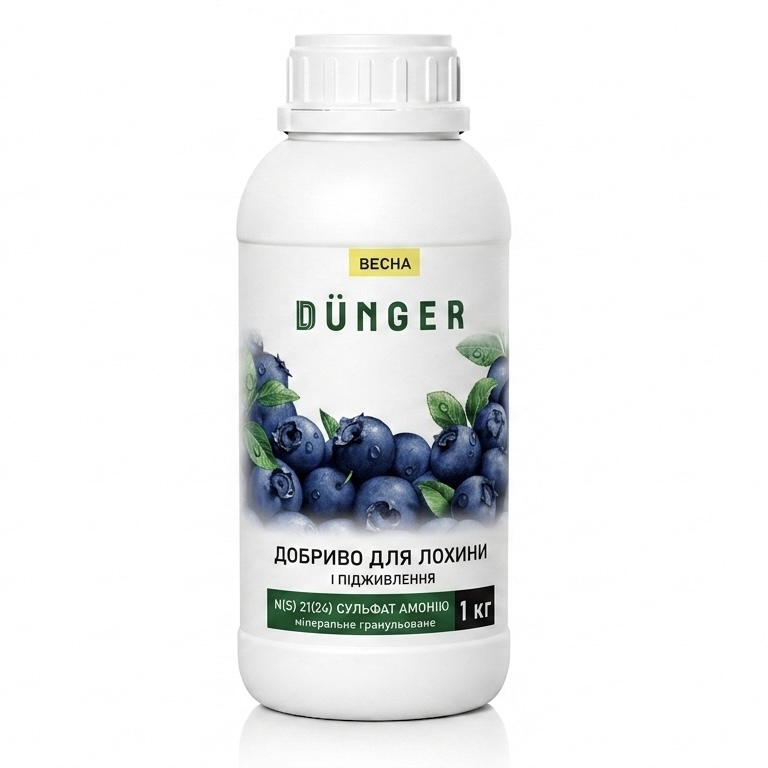
Nutritional complex for blueberries I fertilization granular
This is a fertilizer for the first feeding, rather than a prepared growing medium. Read the complete instructions and check the application period, plant ages and sizes. On the product page, select a 1 or 5 kg pack and check availability for the option you need.
Add blueberries to My Garden and save your bush count and growing-area details. When planning a purchase, choose the appropriate application method and check the calculation and pack size. For other options, explore blueberry fertilizers.
What to record after planting
Keep the name of the mix used, planting date, soil-test results and watering arrangements. Maintain separate records for different locations. A container-grown bush and one in a garden bed may need different attention even if they are the same variety. This information supports the next purchase and helps you notice changes before responding by adding another product without a clear reason.
Questions before choosing a growing medium
The word “multipurpose” is not enough. Check the actual characteristics, suitability for the crop and conditions around the roots. If these do not meet blueberry requirements, adding a specialized fertilizer alone will not make the growing medium suitable.
No. An individual component may be intended for preparing a mix, whereas a finished growing medium has its own composition and instructions. Check the characteristics, any initial nutrient supply and suitability for your growing method. Do not assume one ingredient replaces a suitable root environment simply because its name includes the word “acidic”.
Yes, but plan them as separate parts of care. Choose the medium for the planting conditions and the fertilizer according to its instructions, the plant's needs and its stage of development. Keep the full product names so you can identify each material correctly and avoid repeating nutrients already applied.


