


A height decision starts with identifying the cane. Removing an old stem at its base, shortening a living tip and cutting down an entire autumn-bearing row have different purposes. Applying one horizontal cutting line to everything can remove future fruiting wood. First mark which canes have already cropped and which are needed for the following season, then choose the relevant operation.
Why one row needs different cuts
Raspberry roots are perennial, while individual canes have a shorter cycle. In summer-bearing cultivars, young canes grow in their first season, fruit in the next and then die. New canes are already developing alongside the old fruiting ones. Neighbouring stems of the same height therefore do not necessarily have the same age or the same role in next year's crop.
Autumn-bearing cultivars can fruit on the upper part of a current-season cane. If that cane is retained, its lower part can produce a summer crop the following year. Advice to cut everything down and advice to retain the lower cane therefore concern different production systems. Choose the system before pruning, rather than after half the row has already been removed.
Summer raspberries: remove spent canes at the base
Once harvesting finishes, remove the old fruited canes near soil level and take them out of the row. They should not be left as a tall framework for the next crop. At the same time, avoid cutting healthy young replacements together with them. Those young canes need to overwinter to provide the next summer crop, so identification matters more than a uniform appearance.
Use several clues to recognise an old cane: known previous fruiting, remaining fruiting laterals, stem condition and seasonal records. Bark colour alone is insufficient because a young cane also becomes woody. In a mixed planting, marking fruiting canes during harvest is more useful than attempting to reconstruct their history from memory in autumn. Follow a stem to its base before making the cut.
A ground-level cut means removing the cane, rather than digging out the roots. Keep the base visible and protect young neighbouring growth. Do not pull tangled stems out with force. Release the cane from its ties first, work out how it will leave the row and then remove the cut material carefully. This also reduces accidental breakage of retained canes.
Height of young summer-bearing replacement canes
Working height depends on cultivar, vigour, tip condition and the support system. A healthy cane does not automatically need to be reduced to one metre for a level row. Excessive shortening removes buds and may reduce future fruiting. Inspect the living part first and establish how it will be supported on the trellis before deciding whether its top needs attention.
For summer raspberries on a wire trellis, one option for overly long healthy canes is final dormant shortening to a bud approximately 10 cm above the top wire. This is a distance above the support, rather than a universal height above soil. It concerns canes that exceed the upper wire, not every stem regardless of condition. Check that the support arrangement and plant type fit the method.
Where the tip has died in winter, choose the cut by living tissue and a healthy bud. An imagined horizontal line above the wire should not override the condition of a damaged cane. Post-winter inspection distinguishes a long living stem from one whose upper part has already been lost. Total height alone does not show the extent of injury or where healthy growth remains.
When measuring, distinguish a tip's height above the soil from the length of a bent cane. Check its position on the support first. A long tied cane and a shorter upright one may have tips at a similar level while requiring different decisions. Record whether a recommendation is measured from the soil or the top wire. Do not force a brittle cane straight simply to measure it. Where several wires are present, identify the upper working support before assessing the bud and the part above it.
Autumn-bearing raspberries: one crop or two
A single autumn crop
To crop on new canes, remove all old autumn-bearing raspberry stems near ground level during dormancy. Complete the work before new growth begins. This system does not retain long canes for a summer harvest. New shoots emerge from the base and carry the current season's crop where cultivar and growing conditions are suitable. Keeping the system consistent makes the different cane generations easier to recognise.
Do not turn this routine into a rule for unidentified summer raspberries. Removing all their young canes takes away the stems expected to carry the following summer's fruit. If the cultivar is unknown, establish the fruiting type first. Preserve observations of growth and fruiting rather than testing plant identity through a drastic cut across the entire planting. Check any labels or purchase records that remain.
A two-crop system
For two crops on suitable strong plants, retain selected canes that fruited in autumn and remove their upper fruited portion. The lower part remains for a summer crop the following year. After that summer harvest, remove it near the ground. Identify current-season new canes separately and retain them according to the plan instead of removing them with the older generation.
Here the cut relates to the boundary of the previously fruited top, rather than equal centimetres on every stem. Allow room for new canes and access to berries. Two harvest periods do not guarantee a larger total crop: cultivar, vigour and conditions affect the result. The system also requires more careful separation of cane generations than a single autumn crop routine.
Four situations compared
- A spent summer-bearing cane: remove near soil level.
- A healthy summer-bearing replacement: retain, support and assess its tip.
- An autumn-bearing row for one crop: cut old canes down during dormancy.
- An autumn-bearing row for two crops: retain the required lower portions of selected canes.
This comparison concerns an established patch with a known fruiting type. Training a newly planted cane has separate requirements; a short planting-material height should not be imposed on every established stem. Equally, black and purple raspberry tipping systems should not automatically be transferred to red raspberries. Yellow fruit colour alone does not tell you whether the cultivar is summer- or autumn-bearing.
A practical working order
- Identify the cultivar and fruiting system of each row.
- Mark old, young and damaged canes.
- Identify stems for complete removal first.
- Inspect retained tips and the support system.
- Collect cut material and check the ties on retained canes.
If an entire autumn-bearing row will be cut mechanically, first remove or protect irrigation parts, low wires and other equipment. A hidden obstruction in grass should not determine cutter height. In a small patch, work stem by stem so that the base remains visible and the row cannot be confused with a neighbouring summer-bearing cultivar. Confirm the boundary before starting.
Assess damage and crowding separately
Thinning allows light, airflow and access for care. Merely shearing every tip does not remove excessive cane numbers at the base. Suckers outside the intended row also do not become useful simply because their height is reduced. Establish the planting boundary before deciding what remains. A clear working aisle and an identifiable row make future pruning and harvest easier to manage.
Tip dieback can reflect winter injury or another cause. Spots, lesions, wilting and repeated cane death need diagnosis. Do not leave affected cut canes beside the patch as a continuing infection source. Fertilizer does not replace sanitation and cannot restore a portion of cane already removed. Record where damage began, particularly if the same part of the row suffers repeatedly.
Raspberry nutrition after checking need
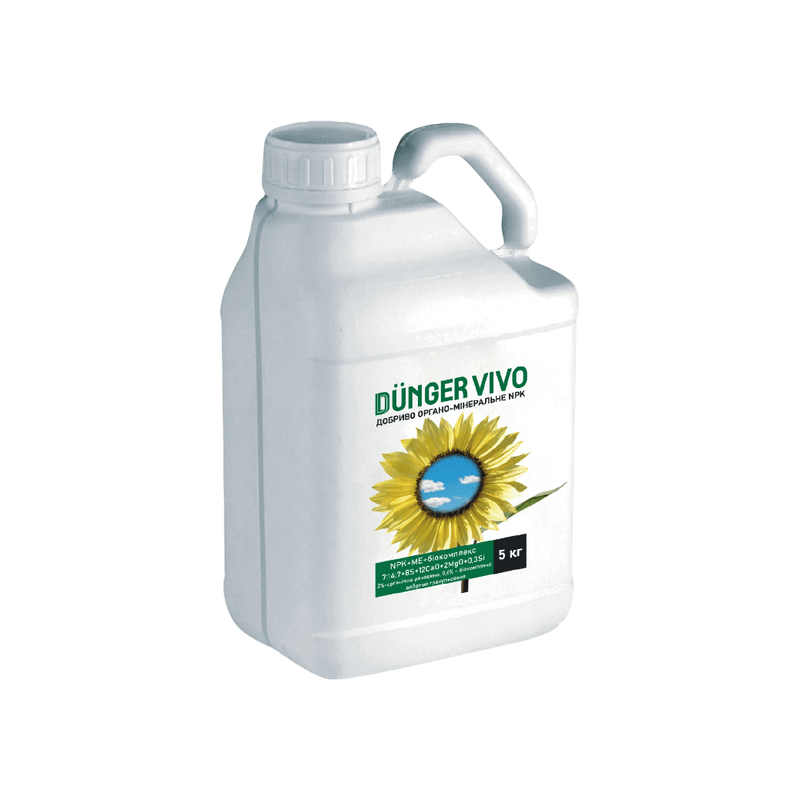
Organic-mineral fertilizer “DÜNGER VIVO” granulated
DÜNGER VIVO in a 5 kg pack is an option for berry crops including raspberries. Cutting height does not determine fertilizer quantity. Assess soil and previous nutrition, then use this product's berry-group rate:
30-50 g/m² in early spring, dosed every 1-2 months during the growing season
This is the relevant group rate from VIVO instructions, rather than a separate recovery treatment after pruning. Check the full card for application method. Compare other raspberry fertilizers while keeping the particular instructions for each composition. A different product may use a different unit, season or method.
Keep the system clear for next season
After the work, label the cultivar and chosen system. During the season, record where and when berries appear: on an overwintered cane or a new tip. Photographs before and after pruning help explain the care plan to another person. The next height decision can then follow identifiable canes and their role instead of a number remembered without its original context.
Common questions
Separate canes by age and fruiting type first. Remove spent stems, retain required young ones, and assess tips by condition and support system.
Yes, during dormancy in a single-crop system using new canes. A two-crop system requires different treatment of selected stems.
Shortening alone establishes neither need nor dose. Check plant condition, soil and product instructions. Fertilizer cannot replace removed fruiting buds.


