


Spring and autumn are usually convenient times to plant boxwood, provided the soil is workable and you can maintain moisture around the roots. The actual day depends on the weather, the form of the plant and where it has been kept. A pot gives a wider planting window than bare roots, but it does not remove the risks of heat, frozen ground or drying. Choose the date together with the care the new planting will need.
Establish what kind of boxwood stock you are buying
Bare-root material
This material is lifted without a container-grown root ball and supplied at a suitable dormant stage. Ask the nursery about delivery and protecting the roots until planting. Exposed roots must not lie in sun or wind. Unpacking a whole hedge along its future line before preparing the ground simply lengthens the time they can dry out.
For spring planting, match delivery to ready soil. If the ground remains frozen or saturated, arrange a later delivery or suitable short-term holding with the supplier. Do not push live roots among frozen clods to meet an order date. The condition of the plant and the place matter more than a booking on the calendar. Material in unsuitable storage is not made safe by delaying without a plan.
A shrub in a container
Ask whether the plant has grown in the container for a meaningful period. A recently lifted shrub placed in a pot does not immediately develop an established root ball. Roots need to hold the medium together. If it falls away and the shrub is loose, discuss appropriate handling before breaking it apart yourself. The outside of the container does not reveal its nursery history.
Also check for roots circling tightly around the pot wall. This is a different problem from weakly established containerized stock. The same degree of root disturbance cannot suit both situations. For a large, pot-bound or valuable shaped shrub, obtain advice on its roots before buying it rather than improvising after planting. Root condition belongs in the purchase decision, alongside the shape of the canopy.
The spring window needs ready ground and a ready plant
A protected wall and an exposed hollow in a Ukrainian garden can become workable at different times. Test the soil where the shrub will actually grow: a thawed surface does not prove that deeper ground is ready. If soil smears, stays sticky and holds standing water, wait for workable conditions and assess drainage. A planting hole should not become a collecting point for water.
Ask where the shrub spent winter. Outdoor stock and plants kept under warm protection may be at different growth stages. Soft new growth from a protected setting needs a considered transition to wind, stronger light and cooler temperatures. Agree on gradual acclimatisation with the nursery rather than assigning every boxwood an identical number of days. This is a question about its recent growing conditions, not a claim that all boxwood is tender.
Acclimatisation does not make fresh growth immune to frost. Follow the forecast and retain an option to protect the plant or postpone planting. Keep the species and cultivar label where supplied. Suitability for your site concerns that particular plant, not merely the word “boxwood” on a shop display. Check local exposure as well as the general hardiness description.
Late spring and summer planting
A well-established container-grown shrub can be planted over a wider part of the growing season when soil and weather permit. Before heat, however, there must be a practical way to water and inspect the root ball. If you will leave the garden unattended soon afterwards, postponing can be more sensible than looking for a powerful fertilizer to replace care. A new planting is a continuing commitment rather than a single afternoon's job.
Moisture is particularly important for boxwood in a sunny position. It needs adequate drainage without being allowed to dry out completely. That is different from leaving the planting hole continuously flooded. Choose moderate conditions, protect the plant from drying in transit and check water where its roots are, rather than judging only by the colour of the soil surface.
Autumn planting and the limit of planning by dates
Autumn can be suitable while moisture is adequate, soil remains unfrozen and roots have an opportunity to establish before persistent cold. There is no single final date for every Ukrainian garden. If the plant is still awaiting delivery and conditions are deteriorating, discuss postponement with the nursery. A seasonal discount does not alter root health or make frozen ground workable.
You can mark a hedge line in advance without opening the entire planting area. Allow for the future width of the plants and access for care. Use the guide to spacing boxwood shrubs for that separate layout decision. Spacing does not answer whether the plants and site are ready today: a correct interval cannot compensate for waterlogged soil or an unsuitable delivery stage.
Organise the planting day
- Prepare the ground and water before removing the pot or exposing packed roots.
- Inspect the ball and carry the shrub with support beneath its root mass, rather than pulling the crown.
- Provide enough width for the roots, check the original planting level and avoid burying the base.
- Remove the container, position the plant and gently fill gaps without unnecessarily breaking the root ball.
- Water, check settling and plant position, then continue to monitor actual moisture.
For a hedge, work along the line in manageable sections instead of exposing every root at once. A prepared space, a plant, water, then the next plant keeps the rest protected while you deal with unexpected old roots or compacted ground. Inspect a damaged specimen before placing it in the middle of the row. Uniform appearance is not a reason to overlook an individual unhealthy plant.
The first checks after planting
The nursery root ball and surrounding garden soil can retain water differently. Check both so you do not merely wet a dry surface or overlook a dry ball within damp ground. Let weather, soil and shrub size determine water needs. A fixed litre schedule for every boxwood is not a useful substitute for seeing what is happening around its roots.
Yellowing is not an automatic signal to feed. Check moisture, planting depth, damage and how symptoms develop. Use the boxwood yellowing guide to separate possible causes. A shrub with wet roots and one damaged by drying can need different decisions even when the overall foliage colour looks similar. Correct the underlying problem before adding another treatment.
Shrub nutrition when a separate need is confirmed
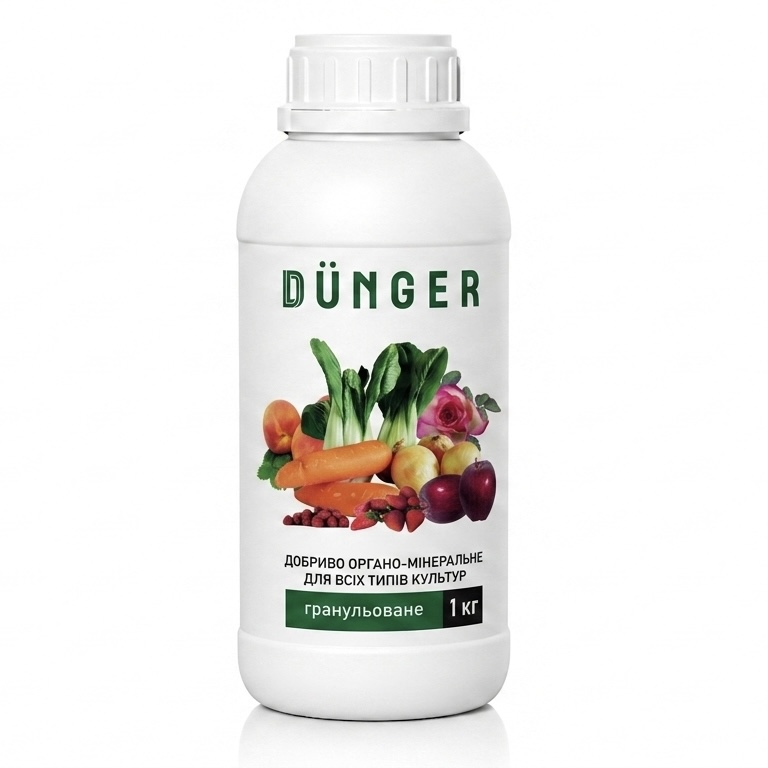
Organo-mineral fertilizer for all types of crops granular
If soil and growth assessment identify a need for this formulation, consider the organo-mineral granules. For boxwood, check the perennial tree and shrub group and the applicable method in the complete instructions. Assess planting date, root readiness and water separately.
The product page lists 1 kg and 5 kg packs. Prepare shrub numbers and sizes and account for previous applications. Establish the requirement from the full instructions before selecting a pack.
Frequently asked questions
The pot widens the opportunity, but weather, soil and watering still matter. Frozen or waterlogged ground, heat without aftercare and unprepared soft growth are reasons to change the plan.
Do not automatically combine planting with major shaping. Assess damage and plant condition first. Plan further clipping separately around establishment, growth and suitable weather.
Ask for plant identity, root form and condition, the previous growing environment and delivery arrangements. Then match the date to your own site, rather than asking for one date supposed to suit every garden.


