


If you want another tree peony with the flowers of a favorite cultivar, start by looking at the parent shrub. Where a low, flexible stem can reach the ground, layering is a practical home option. The stem stays attached until it develops roots of its own. Try seed if you would like to grow something different and are willing to wait to see the flowers. Grafting takes practice, and division works with only some established plants.
Identify the tree peony and trace the stem
The woody stems of a tree peony remain after its leaves drop. Herbaceous peonies lose their aboveground shoots at the end of the season. This affects how you propagate them. The advice to cut an herbaceous clump into pieces with buds does not automatically apply to a tree peony. Check a plant label or a photograph from when you bought it before cutting or dividing. The different groups and hybrids can have different plant structures.
Many named tree peonies are sold grafted onto the root of an herbaceous peony. Shoots from that rootstock will not copy the cultivar grafted on top. Trace the branch you plan to layer back to its base. There may be a thickening at the graft union, but it can be hidden on a mature shrub. Different foliage or flowering time is a reason to investigate. The origin of the shoot is a better clue. If you cannot tell, wait until flowering and avoid choosing an isolated shoot from the ground at random.
Start with a parent plant that has healthy recent growth. If the shrub has just been moved, lost vigor after waterlogging or has several dying branches, find out why first. Fertilizer cannot mend a cracked stem or tell you where the graft begins. The guide to caring for tree peonies in the garden explains how to assess the growing conditions.
How to layer a stem beside the shrub
- Choose a healthy outer stem that bends without pressure. Lower it toward the soil and mark where it can touch.
- Make a shallow trench where water will drain. Pin part of the stem into the trench and leave the growing tip above the ground. Tie the tip loosely to a small stake if it needs support to grow upward.
- Cover the pinned section with loose soil. After watering, check that it has not lifted. Add a label with the cultivar and date.
- Keep the soil moderately moist. Separate the layer only when it has enough roots of its own.
Begin when the soil is workable and you can check its moisture. In an exposed garden in Ukraine’s steppe, the surface can dry faster, so choose a spot you can water easily. On heavy ground after long spells of rain, wait until it no longer sticks to your tools and avoid the strip where water collects. In hot weather when you will not be able to check the soil, get the site ready and come back in a milder spell.
Leave stiff branches alone. If a stem will stay down only under heavy pressure, choose another one. If there is no open space under the shrub where you can work without digging into its roots, delay layering. With a rare cultivar that has a single promising shoot, keeping that shoot healthy may matter more than making another plant this season.
A new leaf can appear while the stem is still drawing water from the parent. Wait until it has its own root system. A tree peony layer often takes two or three years to make enough roots. To inspect it, uncover the edge of the rooting point carefully, then put the soil back. Wait longer if there are only a few roots. Prepare the new site before separating the stem so the young roots do not sit exposed. See how to prepare a planting site for a peony, and identify the group your new plant belongs to.
Place a low marker beside the layer if other people weed or dig there. After a heavy rain, check the pin and the soil level. If the ground dries during a hot spell, water it gently so you do not wash away the cover. If you make a second layer the following season, label it separately. The branches will not necessarily be ready at the same time.
Write down what you want from the new plant before choosing a method. If a family peony matters for its particular flower, label the branch once you have confirmed where it comes from. If you want to try seedlings, keep them separate and mark the year you sowed them. The parent name stays clear even if the seedlings take longer to flower and look different.
What seed, grafting and division are useful for
Seed for growing something different
Seedlings from a named hybrid can flower in different colors and shapes from the parent. Some shrubs do not set viable seed. Collect it after the pods mature and record the parent plant. Use a separate container with free drainage, place it in a sheltered position and keep the mix from drying out completely. Protect it from rodents. A root can form before a visible shoot. Changes between warm and cool periods are involved in germination, so a pot with no visible shoots after the first winter is worth keeping. Flowering may take several years.
Grafting to keep a cultivar
To graft, a grower joins a piece of the desired woody shoot with buds to a suitable rootstock. The cuts must fit closely and the conditions afterward affect whether they join successfully. If you have only one valuable plant, avoid practicing on its last vigorous shoot. For a purchase, look for the cultivar name, information on the rootstock and planting-depth directions. Ask an experienced nursery about the condition of the shoots before taking material to save a declining plant.
Limits to division and cuttings
Only divide a shrub if it has sections you can separate with living buds and their own roots. Several stems at the surface do not necessarily indicate independent root systems. In a grafted plant, cutting the clump can separate the wanted cultivar from the roots supporting it. Ordinary tree peony cuttings often root poorly. Avoid taking material from an unidentified rootstock if your aim is to preserve a particular cultivar.
The first season after separation
Move a rooted layer with as little root loss as possible and water it in. Keep its label in place so you do not confuse it with a seedling. Check moisture close to the root ball. Water should drain after rain or irrigation. If soft new growth has emerged and a spring frost is forecast, prepare a temporary cover. Look at root condition and fresh growth to assess establishment. The flowers may arrive much later.
Feeding an established peony
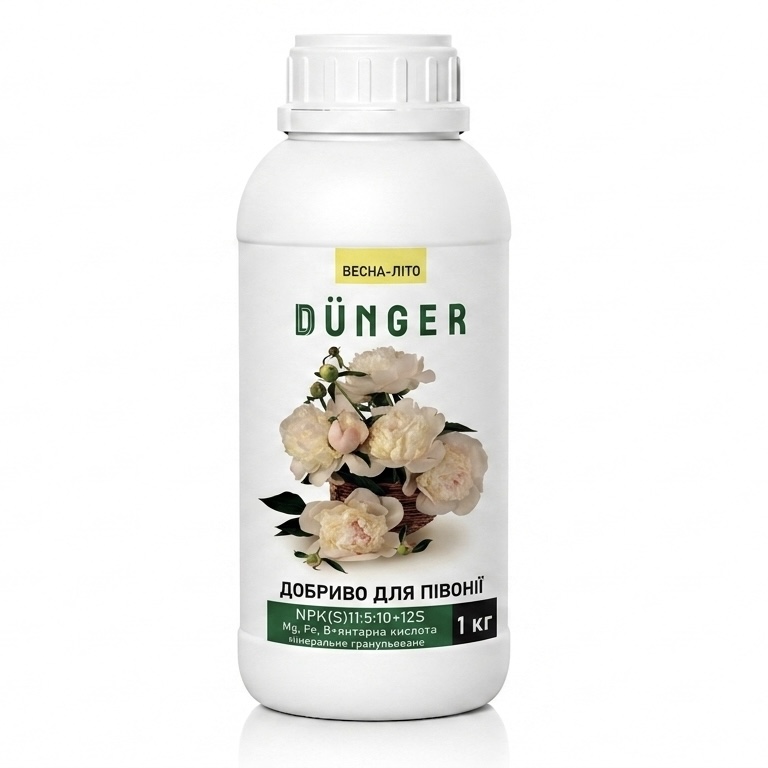
Complex fertilizer for peonies, granules
If a tree peony is established and a check of the soil and plant condition shows a need for nutrition, consider the DÜNGER granular complex for peonies. The directions cover all types of peony and describe soil application at the appropriate growth stage. Check the stage against the complete directions. Feeding the parent plant and rooting the layer are separate jobs. Do not add granules to the layering trench to make it root.
The product page lists 0.5 and 1 kg packs. Measure only the area you intend to treat. Before ordering, confirm the method, units and the chosen pack in the full directions. In a mixed flower bed, leave out paths and plants that do not need feeding.
Frequently asked questions
It is unpredictable for named cultivars. To preserve the color and form, layer a shoot you know belongs to the cultivar or buy a plant with the cultivar name.
Check whether the buried section has a developed root system of its own. Green leaves do not show whether it can live independently. Leave a weakly rooted layer attached.
Keep the stem in contact with moderately moist soil and check its roots. Assess feeding separately for an established plant.


