


Plant an autumn-bought container blueberry only in a prepared site with suitable soil conditions. Check the cultivar, the plant, its root ball and the forecast. If the ground is frozen, water stands in the planting hole or soil acidity is still unknown, arrange protected holding until planting is practical. A plant with enclosed roots still needs water and root protection. Leaving a small nursery pot on an exposed path until spring is risky even for a hardy cultivar.
Why a pot does not remove autumn risks
You can preserve most of the roots when moving a container plant into the ground. Conditions can still change considerably after purchase. It may have stood in a sheltered nursery and then arrive in a windy garden. Soft new growth and well-ripened shoots are in different states before cold weather. Ask where the plant was kept and whether it had already been outdoors. Fresh-looking leaves or a reduced price tell you little about readiness for an exposed site.
Autumn conditions can change quickly in Ukrainian gardens. You may still be able to work soil in a sheltered bed while a wet hollow nearby is unsuitable for planting. Base the decision on your conditions and on the care you can provide afterwards. Avoid choosing your last free afternoon before travelling if you will be unable to check moisture after planting or during holding.
Autumn leaf colour and actual damage
Blueberry leaves naturally turn shades of red and orange before falling. Colour alone is a poor reason to fertilize or return the plant. Look along the shoots and around the base for broken parts or clearly dead tissue. If the change is confined to one dried branch, photograph it and discuss the plant's condition with the nursery. Extra transplanting and rapid feeding may add pressure to a plant that is already weak.
When is the bed really ready?
Begin with a soil test. Blueberries require an acidic root environment. Correcting an unsuitable pH can take time, so avoid expecting to change the entire bed on delivery day. For a structured check see testing soil acidity around blueberry roots. Fertilizer and a pH amendment serve different purposes. The soil test and texture determine an amendment decision; you cannot assign the same acidifier quantity to sand and clay without investigation.
Watch where water goes after rain. Blueberries need moisture, but standing water displaces air from the roots. A hole filled with acidic mix in dense wet ground can collect water. Prepare the root zone and resolve drainage before planting. The blueberry planting guide covers the general sequence for a new site and plant. Here the autumn decision is whether the bed is ready now and how you can care for the nursery plant until spring.
Inspect the root ball gently
Before transplanting, check the drainage holes and moisten the mix if needed. A dry surface gives an incomplete picture of the centre. Slide the plant out while supporting the root ball rather than pulling on the shoots. See whether roots hold the mix together and whether they form a tight circle. A loose ball or a pot apparently filled with soil very recently deserves a question to the seller. Handle that material according to its actual rooting state.
Keep the fine roots mostly enclosed during inspection. Where there is limited circling on the outside, gently release accessible roots while preserving the main ball. Ask for advice before dealing with a severe root tangle. Prepare a wide planting area suited to the roots and preserve the plant's former soil level in the pot. Loose wet fill can settle and change the finished height, so check again after watering.
If conditions are suitable for planting
- Get everything ready before removing the container. Keep roots from waiting in the wind.
- Set the root ball on the prepared base and check its height against the surrounding soil.
- Fill around it with the prepared material, supporting the plant and closing large empty spaces.
- Water the original ball and the surrounding area, then check how excess water drains.
- Add blueberry-compatible mulch and leave a gap at the shoot bases.
- After rain or wind, check stability and moisture inside the original ball.
The nursery mix and the surrounding bed can hold water differently. A damp-looking bed surface may hide a drier original root ball. Check both when watering. For longer care, learn about your water supply too, especially if the site previously held ordinary vegetables rather than acid-loving crops.
Holding the container until planting
Find a position sheltered from strong wind where moisture and drainage are easy to check. During prolonged cold, protect the pot itself by grouping and insulating its sides. For a suitably hardened plant, temporarily sinking the container into well-drained ground before it freezes may be an option. Drainage changes when a pot is buried, so reassess its water needs. Keep it out of a depression that collects runoff.
An unheated protected building is another short-term option for a dormant plant during severe cold. Check actual temperature and moisture rather than relying on a label such as garage or shed. A warm site can bring the plant out of dormancy early. Once shoots begin growing, their light and protection needs change. Ask the nursery about holding if the cultivar, hardening or winter conditions are uncertain. Keep the ball from drying out or remaining waterlogged.
Two decisions within one delivery
One plant may have a tested acidic bed that drains well, while the second has only a wet hole with unknown pH. Consider planting the first under suitable weather and protecting the second until its site is ready. Their shared delivery date does little to change the soil. Label each cultivar, check each root ball and retain the nursery tags. When you review a held plant in spring, check drainage, buds and moisture before deciding about its permanent position.
Prepare nutrition for the appropriate spring stage
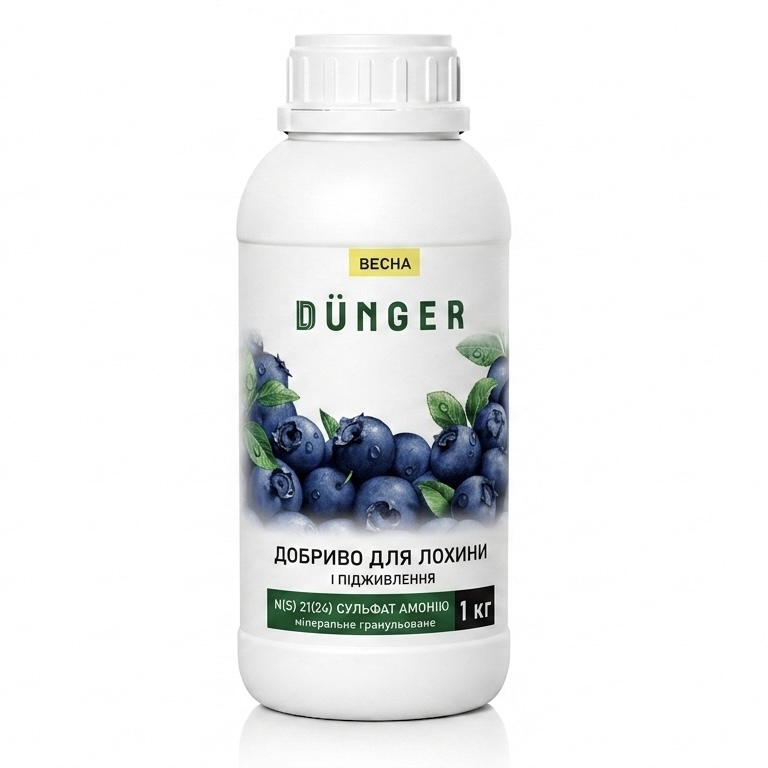
Nutritional complex for blueberries I fertilization granular
If a need for nutrients is confirmed in spring, compare the plant with the full directions for the DÜNGER first-feeding blueberry complex. They link the first application to early spring and bud swelling, and include both new and existing plantings. The exact rate appears below. Account for bush size and age as directed. Moving a plant out of its pot in autumn is a different stage.
Before ordering, list the bushes and compare the 1 and 5 kg packs on the product page. Check that the root zone is suitable and adequately moist. The right fertilizer still depends on a bed with appropriate drainage and soil reaction. Save separate planting zones in My Garden to prepare a later purchase from your measurements.
20-30 g/bush
Frequently asked questions
Check soil condition, the plant and the coming weather. One frost describes only part of those conditions. If the ground is frozen or saturated, or the bed still has an unsuitable pH, protect the container while you arrange a better planting opportunity.
For a dormant plant, aim to keep conditions cool while protecting the roots from severe freezing. A warm room can encourage early growth. Monitor the plant and the actual conditions where you hold it.
First provide the right root environment and moisture. Choose fertilizer by need and the timing in its full instructions. Autumn planting alone gives you no reason for an immediate application.


