


Highbush blueberries flower in clusters of small white or pale pink bells that hang from the previous year's shoots. Closed buds and open blossoms may share a single cluster. After flowering, the pale corolla drops and a green berry can start growing from the base of the flower. To see which stage your bush has reached, look at both the shoot tip and clusters farther down. Check several shoots before drawing conclusions about the whole plant.
How to recognize flower buds and leaf buds
Examine a shoot that grew last year. Its flower buds are generally fuller and larger, with many near the tip. Smaller, pointed leaf buds are usually farther down. These develop into leaves and shoots. It is easier to compare them along one stem than to judge a single bud by color. Different cultivars may have different-looking bud scales, so pay attention to shape, position and what appears when a bud opens.
As a flower bud swells and its outer scales separate, you can see a tightly packed group of future blossoms inside. The individual buds eventually move apart. Their pale or pink corollas become easier to see. The flower has opened when there is a visible opening at the end of the bell. Photographs on different days can help you follow one bud from swelling to bloom.
What changes from bud to green berry
- Swollen buds. The bud gets larger and the outer scales begin to separate. A nearby branch on the same bush may be progressing more slowly.
- Individual closed flowers. The flowers can be distinguished within the cluster. The ends are still closed even if their pink color is easy to see.
- Open bells. There is an opening at the lower end of the corolla. Blossoms open over time rather than all at once. Insects visit those that have opened.
- Corolla fall. At the end of flowering, the pale tube detaches and leaves the green base on the stalk. If the ovary develops, it swells and the calyx stays visible as a little crown at the end of the berry.
White corollas on the ground do not tell you that the crop is lost. Look at what remains in the cluster and check it again later. Green bases that are getting bigger show that fruit is developing. One visit is too early to count a final crop. It is more useful to check the same clusters again after the ones beside them have finished flowering.
When blueberries flower in Ukraine
Watch how spring develops on your own plant. Bloom varies with cultivar, the progression of winter and spring, and the position of a bush in the garden. Soil and air may warm sooner next to a sunny wall than in a low corner where cold air settles. If a neighbor's plant is already in bloom, check your own cultivar and bud stage before assuming the difference is due to nutrients.
Ask about both fruit ripening and blossom time. An early crop does not always follow the earliest flowering, and late ripening does not guarantee that a bush escapes spring frost. If you are choosing cultivars for one garden, ask how they flower in comparable local conditions and whether those periods overlap. Before buying a new bush, read about choosing a site and planting blueberries as well.
Compare cultivars in the same garden
Record the first open bells and the days when many flowers are open on each cultivar. A nearby garden offers a rough guide, but your own notes can tell you if the two bushes actually had open flowers at the same time. For an unknown cultivar, mark its position and look for the name on the receipt or an old photograph of the tag. This is useful when choosing a second bush or tracking the stage before frost next spring.
How to tell ordinary petal fall from injury
After a cold night, look at clusters at different stages. Open flowers are generally more vulnerable than closed buds. Compare some on the exposed side with others inside the canopy. The appearance of the outside of a flower may give little indication of the condition of the ovary. If you need to check the extent of injury, cut a few suspect flowers or buds lengthwise and compare them with some that appear healthy. Internal browning after a freeze is consistent with cold damage.
Leave the other clusters in place while you observe them. The outer edge of a corolla may age naturally, and browning can have more than one cause. Note whether the change followed a cold night or continues to spread in warm weather. If the shoots themselves are turning brown, investigate that separately. Record where and when it happened, compare a few flowers and wait to see what the ovaries do before writing off the crop.
What helps pollination and fruit set
When flowers are open, look for bees and other visitors during a warm, dry spell. A short check in the rain tells you little about how often they visit. Many highbush cultivars can set fruit using pollen from the same cultivar, and pollen from a compatible different cultivar often improves berry size. Their flowering needs to overlap for cross-pollination. If one bush finishes blooming before the other opens, it cannot supply fresh pollen when the later flowers need it.
While you are watching the fruit develop, check soil moisture under the mulch. A bush covered with flowers does not automatically need extra water. Account for rainfall and actual root-zone moisture to keep it evenly moist. If few berries follow bloom, compare the frost record, the overlap between cultivars, the visits you saw and the condition of the bush. For next season, check how much of the previous year's growth you retained. See the guide to pruning mature highbush blueberries for that separate decision.
When choosing a second plant, ask if it belongs to the same highbush group and will tolerate winter at your site. Two plants of one cultivar give you more bushes, but they do not give you pollen from a different cultivar. If you have room for one bush, check the traits of that cultivar and let pollinating insects reach the open flowers.
Late feeding cannot restore frost-damaged flowers or supply missing pollen. To plan what to do before blossoms open, see the spring blueberry feeding guide. If the bushes have already been fed, record which fertilizer was used, when you applied it and the stage you saw. It makes it easier to distinguish a care issue from the effects of weather and decide whether a first feeding will be needed in the next suitable spring window.
First spring feeding for blueberries
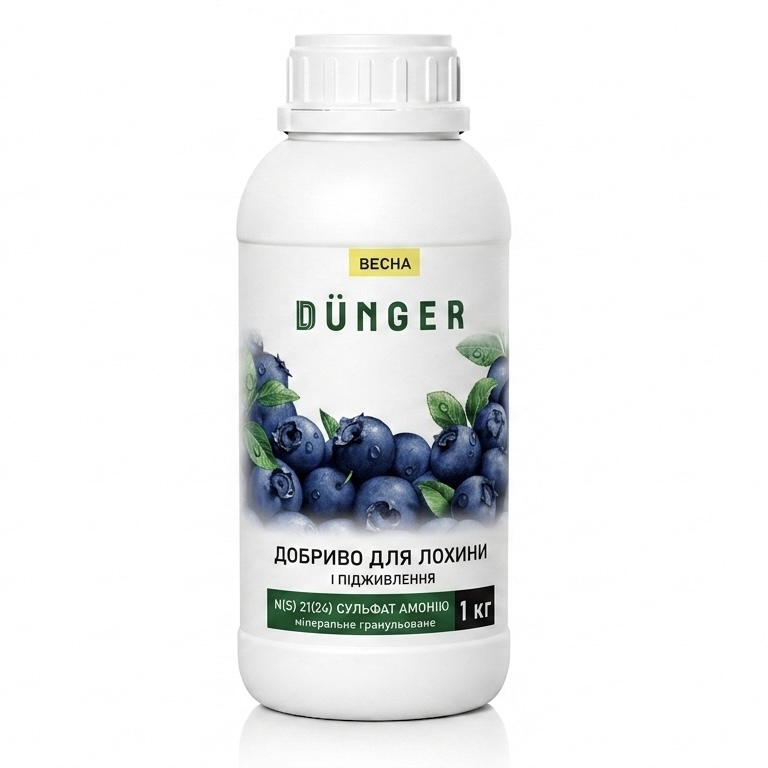
Nutritional complex for blueberries I fertilization granular
If the bushes need nutrients and buds are still swelling in early spring, check the granular product marked for first feeding. Read its instructions for application under the bush and check the rate against plant size and age.
Compare the 1 and 5 kg packs after working out how much you need. If blossoms are already open, save this product for the next suitable window. With several cultivars, record the stage of each bush.
Questions about blueberry flowering
Flower buds and leaf buds are separate. Look at the previous year's growth and recall which tips you removed at pruning. Consider the age of the bush, its access to sunlight and how it came through the winter. If the flower buds are present and still closed, mark them and check them again after a spell of suitable weather.
The corolla normally falls as the flower finishes. Look for a green base on the stalk and watch to see whether it grows. If the ovaries themselves darken or shrivel, compare the change with the weather and check several clusters to see how widespread it is.
The product marked for first feeding is for early spring while the buds are swelling. Open flowers mean that window has passed. If you will need the product next time, plan the purchase before the appropriate stage. For now, inspect the developing fruit, check watering and find out what you have already applied.


