


Autumn planting of garden strawberries works only where plants still have suitable conditions to establish before sustained cold. Plant quality, bed preparation, moisture and the local season matter more than a single date for all of Ukraine. If the soil is already cold and wet with prolonged cold approaching, do not try to recover lost establishment time through extra fertilizer or a thick cover applied prematurely.
Does autumn planting suit your site?
Assess the soil and upcoming weather as well as daytime temperature. Roots need an opportunity to establish, and you need to maintain appropriate moisture. A sheltered southern site, an exposed northern bed and a cold hollow have different risks. A neighbour's successful date is not automatically suitable where your position, plants and access to care differ. Plan around the conditions that your own new bed can provide.
Arrange autumn planting in advance rather than after an accidental late purchase. Before ordering, ask the nursery whether that plant type and cultivar suit your location and intended timing. If the opportunity has passed, prepare the bed and consider spring strawberry planting. A late planting with uncertain overwintering does not become a sound choice merely because a batch is cheap or advertised with an impressive first-crop promise.
Choose suitable planting material
Check the cultivar name, fruiting type and source. A summer-cropping cultivar and one with a longer fruiting season should not be grouped under the vague description “autumn strawberries”. Winter tolerance differs too, and a berry photograph does not establish suitability for your garden. Choose plants of known origin with an explanation of their handling before sale rather than unidentified runners from an old, troubled planting.
For potted plants, inspect the living centre, foliage and moisture in the root ball. Avoid clearly weak plants with dead or badly discoloured leaves in the hope of correcting them quickly through nutrition. For bare-root or cold-stored material, ask about dormancy, planting procedure and storage for the actual batch. Do not assume it should be handled like an actively growing plant in a pot, or that all stock types share the same planting window.
Prepare the bed before delivery. Keep roots and growing medium from drying while following the supplier's handling conditions. Do not leave exposed roots in sunlight while you dig. Plants held for a long time under uncertain conditions need another inspection before use. Fertilizer cannot restore dead roots, so assess whether the planting material is suitable before planning its nutrition. A clear delivery and planting arrangement is more useful than an emergency purchase afterwards.
Have the bed ready first
Choose a sunny position without persistent standing water. Strawberries have a shallow root system and are vulnerable to both drying and excessive wetness. Inspect the proposed bed after rain: puddles and compact wet soil need attention before planting. A raised bed can help with drainage, but its winter exposure differs from that of ground-level soil, so protection must also be considered when choosing the system.
Remove weeds before planting, particularly those that will be difficult to extract between young crowns. Consider the site's history and disease in previous plantings; do not move material from a clearly diseased patch with its attached soil. Where needed, test the soil before adding complete feeds. Previously incorporated compost or fertilizer already contributes to nutrition and is not a reason to stack several additional programmes automatically.
Match the layout to the cultivar and system
Mark out the bed using recommendations for the chosen cultivar and your intended runner management. Leave access for watering, inspection and weeding. Crowded planting becomes harder to manage as crowns expand. Do not fill every spare space with extra plants just because they remain after purchase. Compare the room mature plants will need in your system rather than the number visible in a promotional picture of a strawberry bed.
If using planting fabric or another cover, plan how water will reach each root ball and how the crown can be inspected. Covering does not correct the wrong planting depth or replace moisture checks. On a small bed, place the pots at their proposed positions first and check whether routine care will be comfortable before digging holes. This helps identify awkward edges and inaccessible plants while changes are still easy.
Keep the growing point clear
Set plants so the roots are buried while the growing point is not covered by soil. For actively growing potted stock, retain the appropriate level at which it was growing. Do not leave roots exposed above the surface or bury the whole crown in the hole. Correct depth matters more than trying to build a high mound over a young plant before winter. Ask about handling if the supplied stock has a different form from potted plants.
After planting, gently firm the soil and water to establish contact with the roots. Once water has soaked in, check whether the plant has settled too low or roots have become exposed. Correct its position with minimal further disturbance. Maintain even moisture according to the actual bed rather than a daily calendar. Autumn rain changes irrigation needs, but the existence of rain does not remove the need to inspect individual plants and their root balls.
Nutrition cannot replace establishment time
Preparing soil before autumn planting and repeatedly feeding new plants are different tasks. Avoid trying to force strong fresh growth before cold or making several applications “for insurance”. Account first for soil information and previous inputs. An established bed has a separate task, covered by autumn care and nutrition for established strawberries; its care should not be transferred mechanically to recently purchased transplants. More fertilizer does not correct inadequate rooting conditions.
Nutrition during soil preparation when needed
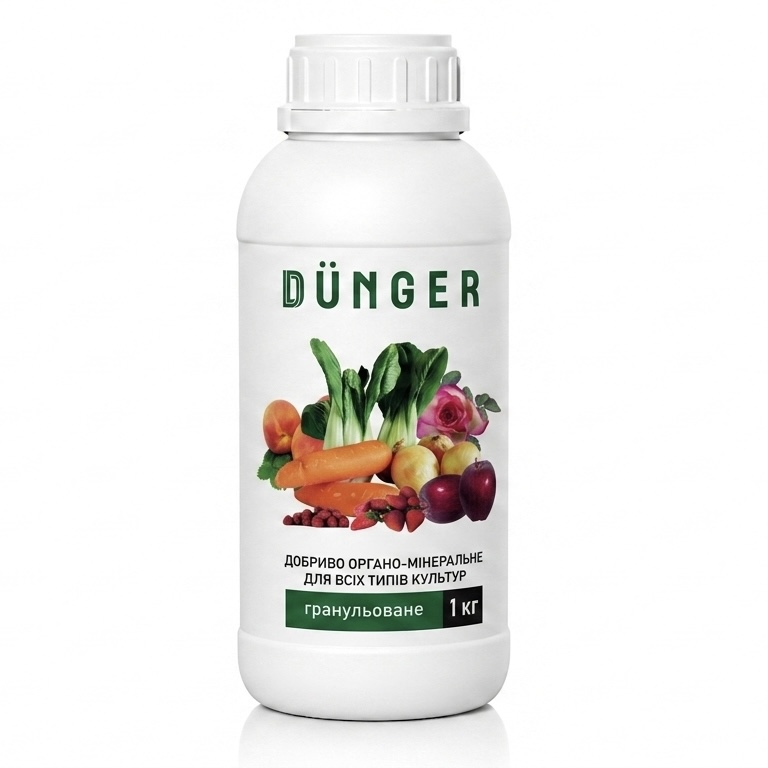
Organo-mineral fertilizer for all types of crops granular
The organo-mineral product includes berry crops. The complete method and exact instruction group rate follow; this is not a separate autumn strawberry dose. Main autumn incorporation during soil preparation differs from feeding during active spring-and-summer growth.
The fertilizer is used for the main application for plowing, digging in autumn or spring, as well as for fertilizing plants in the spring-summer period of active vegetation, the fertilizer is also used for laying greenhouse and seedling soils and soil mixtures. Apply the scattering on the site or in the root zone on loose, moist soil, as well as in planting holes when planting plants and seeds. Application rates are calculated depending on the species, characteristics, size and age of plants. Feeding is recommended 2-3 times a season.
Vegetable, melon, berry: 45-50 g/m²
Packs: 1 and 5 kg. Do not invent a per-hole or per-plant conversion from the area rate, or add it to other instruction rates. Account for previous inputs and soil conditions. The feeding count in the complete method does not prescribe a series of autumn repeat applications to new transplants.
Prepare for cold and inspect in spring
After planting, monitor moisture and weeds, working carefully around shallow roots. Winter protection depends on cultivar, exposure, snow cover and bed type. Clean, weed-free straw can help protect against winter fluctuations; avoid tightly covering actively growing plants too early. Allow adjustment to cool conditions and choose protection for local weather rather than copying another region's date. Containers and raised beds deserve a separate assessment rather than assumptions based on a ground-level planting.
In spring, check whether freezing and thawing have pushed plants out of the ground, whether the centres are alive and how growth resumes. Manage the winter cover according to development and the risk of returning cold. A few old leaves do not alone establish the result. Equally, do not expect a guaranteed full crop from every autumn planting: cultivar, establishment, overwintering and subsequent conditions all influence what happens next.
Questions about autumn strawberry planting
There is no single national date. Suitable stock, unfrozen drained soil and an adequate establishment opportunity before sustained cold are needed. Ask the nursery about the cultivar and location and check the forecast. If that opportunity is lost, change the plan rather than expecting increased feeding to compensate for unsuitable conditions. A regional recommendation still needs to fit the actual bed.
Avoid material from clearly diseased or severely weakened plantings. A new row can inherit problems along with its planting material. A known cultivar and healthy source matter more than the number of free plants available. If the condition of the old plants is unclear, establish the cause first and choose reliable stock for the new bed rather than moving the uncertainty with it.
The quoted group rate uses an area unit; it is not converted here into an amount per hole or plant. Appropriate use depends on soil, previous inputs and plant age. Do not add another instruction rate on top of the area rate. Choose the 1 or 5 kg pack after confirming the intended use, rather than treating pack size as a planting-hole recommendation.
A winter cover helps with protection but cannot restore establishment time already lost or correct a waterlogged bed. Assess plant readiness, root condition and weather separately. A tight cover applied too early is also undesirable. If plants are still unplanted and conditions are unsuitable, agree an alternative arrangement with the supplier instead of assuming extra covering will resolve every risk.


